An Unseen Pattern: The Silent Struggle of Women in Conversations

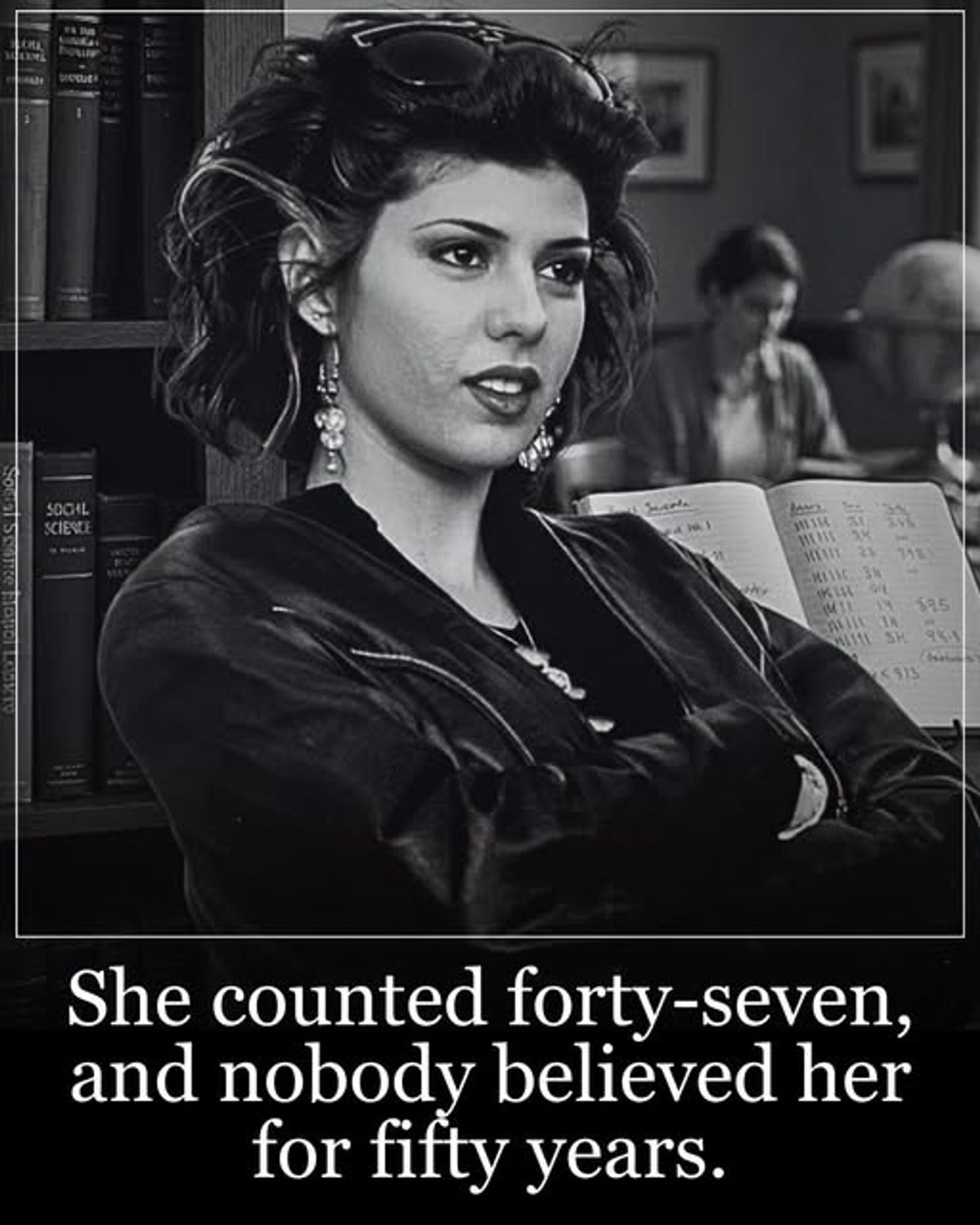
In 1975, two researchers, Don Zimmerman and Candace West, embarked on a curious mission at UC Santa Barbara. With notepads in hand, they entered ordinary conversations, poised to capture something seemingly mundane yet profoundly significant — interruptions. They meticulously observed 31 conversations between men and women, counting every moment one speaker cut off another mid-sentence. This was not an exploration of feelings or theories; it was a numerical analysis, a quest for a hidden pattern that, while subtle, held the potential to reveal a larger truth about gender dynamics. The result? Out of 48 interruptions counted, 47 were initiated by men. This stark finding, published in 1975, was the beginning of a conversation that would span decades, often overlooked and dismissed.
Time marched on, yet the meetings continued, and the dynamics of conversation remained largely unchanged. Fast forward to 2014, when Kieran Snyder, a linguist immersed in the tech industry, decided to revisit the question. She sat in meetings for weeks, observing the interactions with a keen eye. Her findings echoed the earlier research: men interrupted women approximately three times more than they interrupted fellow men. In a space that prided itself on meritocracy, this stark imbalance raised troubling questions about the unspoken rules that governed these interactions. Snyder’s work reinvigorated the dialogue, but the patterns persisted, often cloaked in the guise of normalcy.
By 2017, the conversation found its way to an even more prestigious arena — the Supreme Court of the United States. Researchers Tonja Jacobi and Dylan Schweers sought to investigate whether the highest court in the land would challenge the entrenched patterns observed in previous studies. They delved into decades of oral argument transcripts and found, disturbingly, that female justices were interrupted at disproportionate rates by their male colleagues and advocates alike. Here, in the hallowed halls of justice, where credentials were thought to offer protection, women still faced the disheartening reality of being silenced mid-sentence, their words eclipsed by their male counterparts.
What stands out in these findings is not just the number of interruptions but the broader implications they hold. An interruption is more than a mere disruption; it signals to everyone in the room whose voice is valued and whose is dismissed. While one interruption might seem trivial, a hundred over a career creates a narrative that shapes perceptions and influences outcomes — who is seen as a leader, who is deemed authoritative, and who is relegated to the background.
This ongoing story, spanning nearly half a century, reflects a pervasive issue that transcends the boardroom and the courtroom. It prompts us to reflect on our own interactions and the subtle ways we may contribute to this cycle. As we become aware of these dynamics, we are called to foster environments where every voice is heard and respected, where interruptions do not dictate the flow of conversation, and where everyone, regardless of gender, can share their insights without the fear of being silenced. In recognizing and addressing these patterns, we move closer to a future where dialogue becomes a true exchange, enriched by diverse perspectives.