At Mukti, a quiet prayer became a story the world remembered
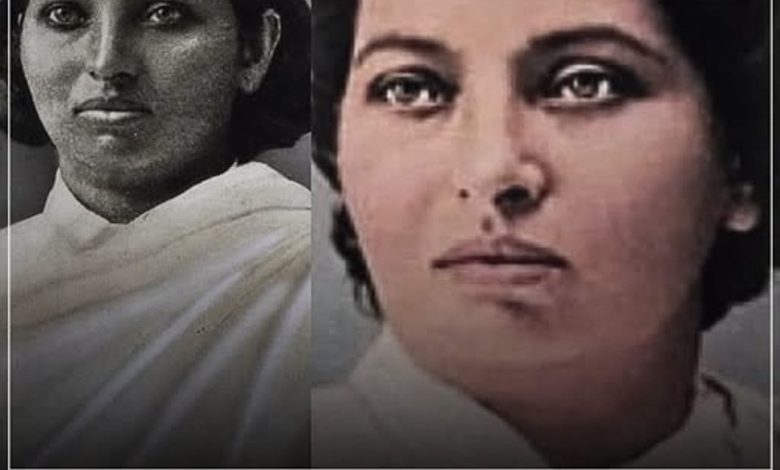
In a quiet corner of India, at a modest mission called Mukti — a word that means salvation — Pandita Ramabai had gathered girls and young women for a simple purpose: prayer. There was nothing theatrical about it. No bright stage, no crowd clamoring for attention. Just a steady pattern of kneeling, waiting, and hoping in a place where many had already known too much hardship.
The women and girls who came to Mukti carried heavy histories. Some had been widows since childhood. Some had survived famine. All of them had learned, in one way or another, how to keep going when life had given them very little. Night after night, they prayed together. They asked for closeness to God, for comfort, for the kind of courage that does not arrive all at once but settles in quietly.
Then one ordinary evening, something happened that no one in the mission could easily explain. A girl sleeping in the dormitory woke and saw one of her sisters seeming to be engulfed in flame. Alarmed, she rushed for water, ready to put out a fire. But as she got closer, she realized there was no fire at all. There was no smoke, no scorch marks, no sign that anything had burned. The young woman was simply praying, tears on her face, whispering words of surrender and joy.

By morning, word had already spread through the mission. Something had shifted in that room, something felt deeply real to the people who witnessed it, even if they could not fully describe it. In the days that followed, more unusual moments were said to have taken place. One young woman, who had never studied English, suddenly spoke it with striking clarity. She had not rehearsed the words. She had not been taught them. Yet the message she delivered carried a simple urgency: hope is coming — stay ready, stay faithful.
News of Mukti did not remain hidden inside its walls. It moved outward, first into nearby villages, then across India, and eventually farther still. Around the same era, similar reports of spiritual awakening were appearing in other places too, among communities separated by oceans and languages but linked by the same thread: ordinary people brought low by hardship discovering a joy and courage they had not been able to summon on their own.
What gave the Mukti story its lasting power was never just the image of flame. It was what followed. A community of women, judged by the world as having little, became a source of strength. Rich or poor, mistress or maid, those lines faded when they knelt side by side. Sorrow met belonging there, and belonging became resolve.
More than a century later, Mukti is remembered not for the moment of fire in the dormitory, but for the hope it pointed toward. In one of the quietest, most overlooked corners of the world, women who had been given so little found a way to stand together, and in doing so, they left behind a reminder that still lingers: courage can rise from hidden places, and hope can change everything.
Read more stories
- The office worker who talked a gunman into surrendering
- Maya Gebala’s quiet bravery in the Tumbler Ridge school shooting
- The bookkeeper who talked a gunman down at a Georgia school
- Five days after the tragic death of Chris Cornell, Norah Jones paid tribute to the Soundgarden legend with a spine-tingling live solo piano rendition of “Black Hole Sun” that 13 million viewers can’t stop replaying