The six-year-old and the teacher who stayed when everyone else left
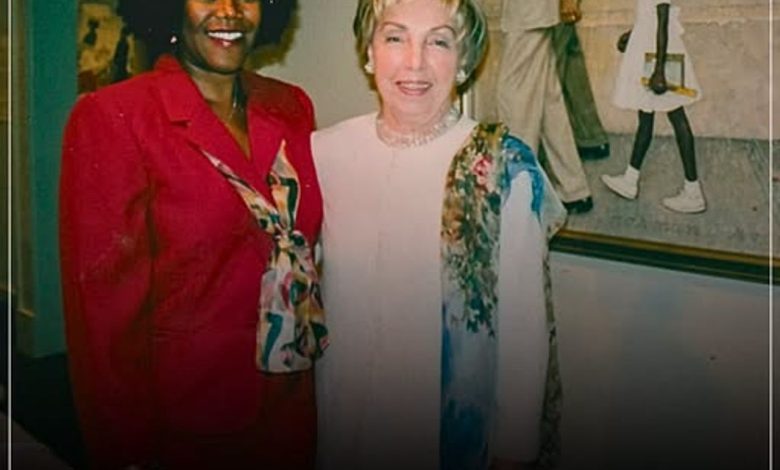
On November 14, 1960, a six-year-old girl in a white dress and white socks walked toward William Frantz Elementary in New Orleans carrying a ruler and a few school supplies, as if she were simply arriving for picture day. Instead, four armed federal marshals walked beside her, and the crowd around them was shouting. Someone held up a small black doll inside a wooden coffin. Someone threw a tomato. Ruby Bridges did not yet have the words for what was happening; for a moment, she wondered if it might be a parade. It was not.
Ruby had not been placed there by chance. Earlier that year, several Black families in the city agreed to let their children be tested for possible integration into the all-white public schools. Only six children passed, and Ruby was one of them. She was also the only child assigned to William Frantz. Her father was unsure whether the risk was worth it, but her mother believed it mattered not only for Ruby, but for the children who would come after her.
That first day, Ruby never made it into a classroom. She and her mother spent the day in the principal’s office while white parents, one by one, pulled their children from the school. By afternoon, the building was nearly empty. The pressure did not stop with the parents. The teachers refused too. Every single one declined to teach a Black child, and some quit immediately. The district had a federal court order to obey, but no teachers left to carry it out.
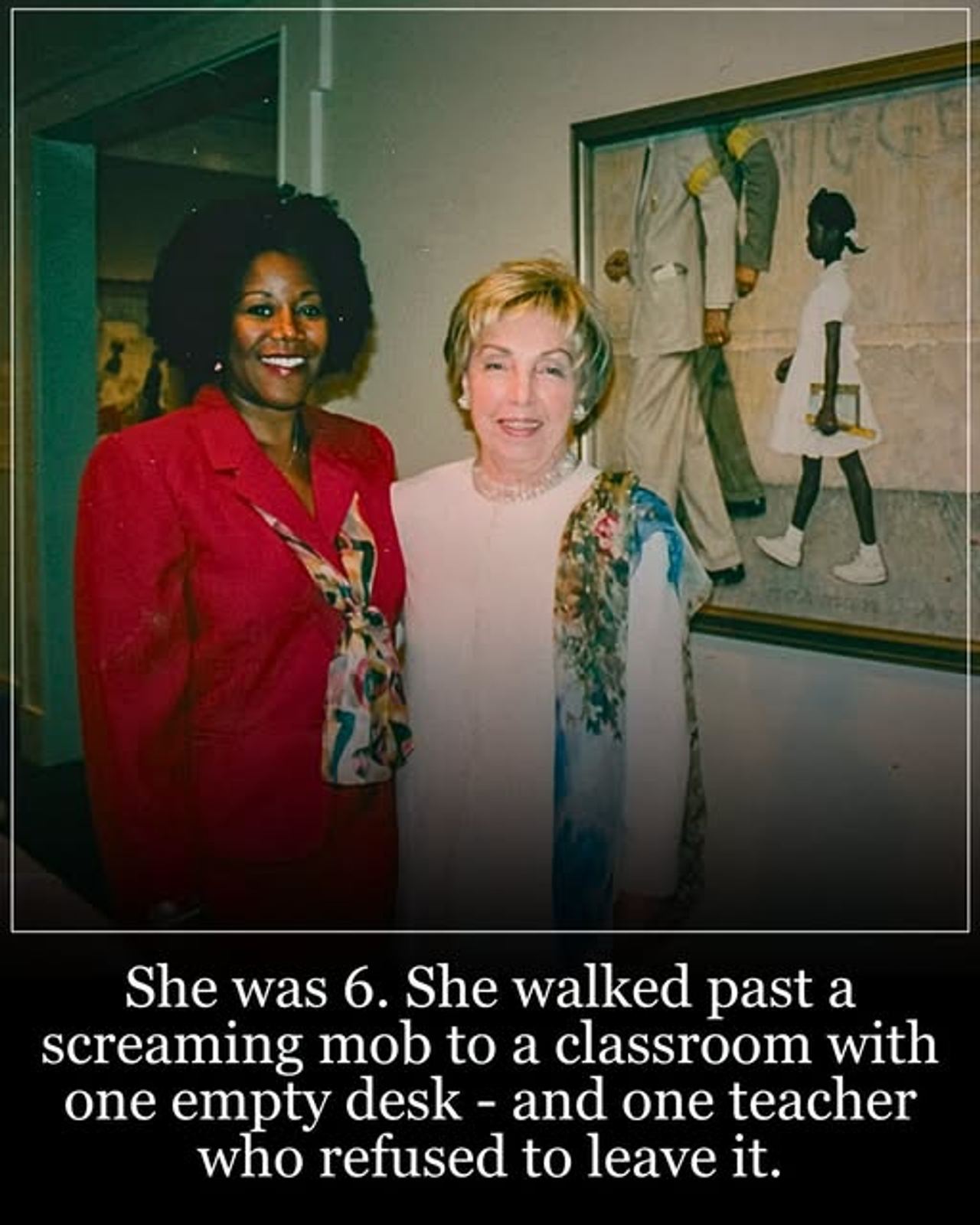
So the school called a 28-year-old woman from Boston named Barbara Henry, newly arrived in New Orleans with her husband. When asked whether she would teach at a school that had just been desegregated, Barbara said it made no difference to her. The next morning she walked past the same hostile crowd, found her classroom, and prepared for a full day of lessons. Only one student came through the door. Just Ruby.
No one else arrived that day, or for the rest of the year. For months, the classroom belonged to the two of them alone: a white teacher from Boston and a Black six-year-old from New Orleans, surrounded by empty desks in a school that had been emptied by fear. Ruby was kept indoors because recess felt too dangerous. She could not eat in the cafeteria, after a woman outside shouted each morning that she would poison Ruby’s food, so she ate lunch at her desk, food brought from home.
Being six meant still wanting friendship with the fierce simplicity only children have. Ruby began hiding half her sandwiches, hoping that a child might be nearby and hungry, hoping somehow to make a friend. It is a small detail, but it says so much about the loneliness of that year: even in the middle of hatred, she was looking for a way to share.
And Barbara Henry stayed, teaching every lesson to one student in an almost empty building. In the story of desegregation, it is easy to remember the crowd and the marshals, the threats and the shouting. But it is worth remembering the quiet endurance too — a little girl who kept walking in, a teacher who kept setting the desks, and the ordinary courage that made a new future possible one school day at a time.