“I Want You”: How Marvin Gaye Turned Desire Into One of His Most Sensual Records
A soul record built on atmosphere
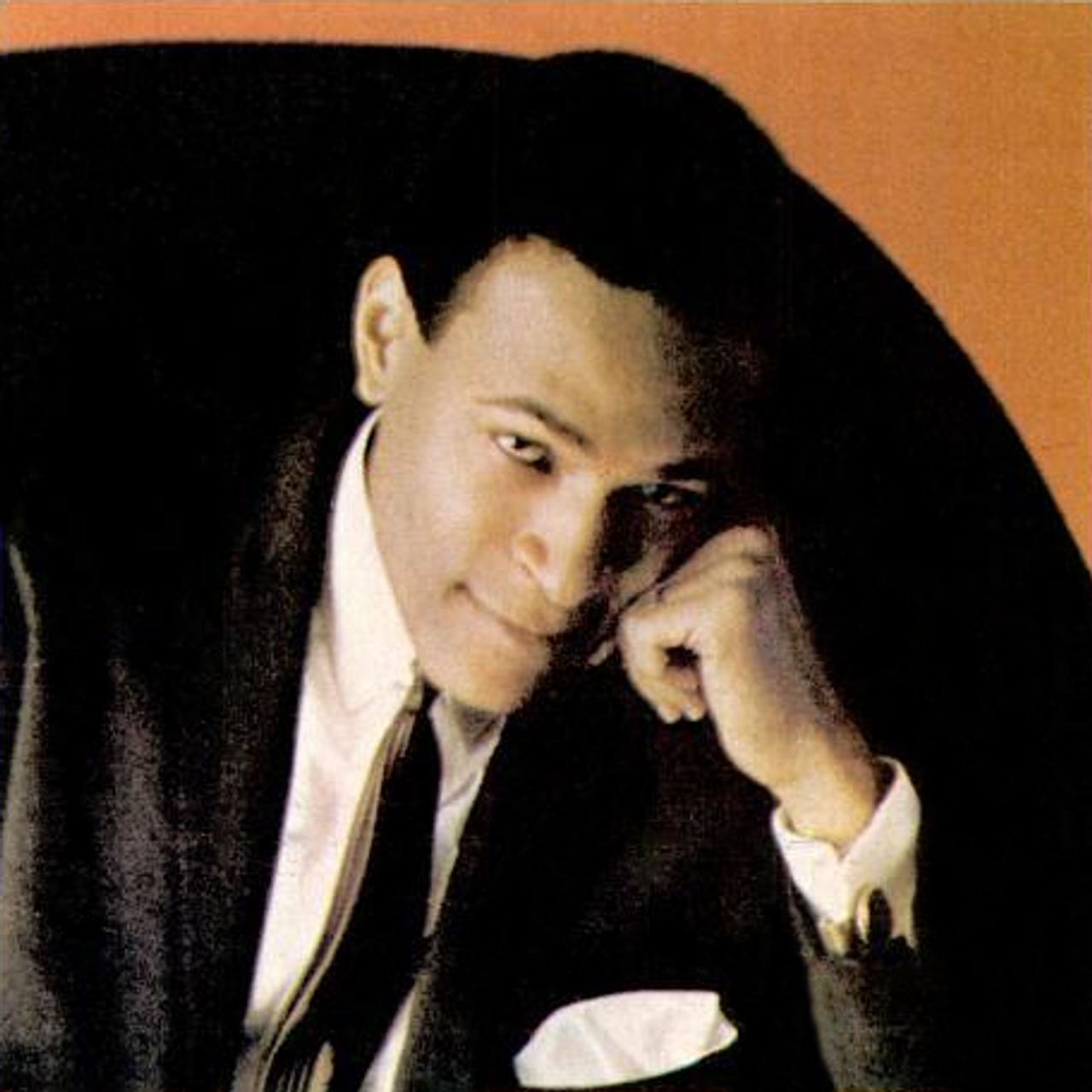
By the time “I Want You” arrived in 1976, Marvin Gaye had already shown how elastic soul music could be. He could make it political, spiritual, wounded, romantic. But this song moved in a different direction: inward, private, almost whispered. Rather than aiming for grand drama, it lives on mood, texture and longing.
That is what makes the record so enduring. “I Want You” does not announce desire with force; it lets desire hover in the air. The groove is soft but insistent, the arrangement detailed without feeling crowded, and Gaye’s voice sounds less like a performance than a confession delivered at close range.
The meeting of Marvin Gaye and Leon Ware
At the center of the song’s power is the pairing of Marvin Gaye with Leon Ware, whose musical world was rich, sophisticated and deeply sensual. Ware’s writing leaned toward elegance rather than bluntness, and “I Want You” carries that signature in every phrase. The melody glides instead of lunging; the arrangement seduces by degrees.
Gaye was the ideal interpreter for that material. Few singers could suggest so much with a breath, a pause or a slight crack in tone. On “I Want You,” he turns Ware’s composition into something intensely personal, as though the song is being discovered in real time rather than simply sung.
“I Want You” is sensual not because it is explicit, but because everything in it—voice, rhythm, arrangement—seems to lean toward the same private feeling.
Why the song feels so intimate
One reason the record remains so striking is its scale. Even with its lush production, it never feels oversized. The rhythm section keeps the song moving with a steady pulse, while the instrumental details—strings, keys, backing vocals—create a kind of halo around Gaye’s lead. The result is immersive rather than overpowering.
Gaye’s singing is the key to that intimacy. He does not belt the title as a declaration. He shapes it like a plea, a thought, a need he cannot quite quiet. That ambiguity gives the performance its emotional depth. Desire here is not triumphant; it is tender, restless and vulnerable.
A different kind of soul statement
In the larger arc of Marvin Gaye’s catalog, “I Want You” stands out because it channels sensuality with unusual refinement. Soul music had never lacked romance or sexuality, but this record presented them with a distinctive softness. It was polished, adult and psychologically close-up, more interested in emotional temperature than spectacle.
That approach helped define the song’s reputation. Listeners did not hear just another love track; they heard a fully realized mood. The record’s allure comes from how completely it commits to that atmosphere, never breaking the spell with anything unnecessary or overstated.
The lasting appeal of “I Want You”
Decades later, “I Want You” still sounds like the work of artists who understood that restraint can be more powerful than excess. Its sensuality is not dated because it is rooted in craft: a carefully shaped arrangement, a melody that lingers, and a vocal performance that stays emotionally open.
That is why the song continues to draw listeners back. It captures a universal feeling—wanting someone with a mix of urgency and tenderness—and renders it with unusual grace. In Marvin Gaye’s hands, desire becomes not just a theme but a sonic environment, one of the most intimate he ever recorded.
Quick Facts
- Song: I Want You
- Artist: Marvin Gaye
- Release year: 1976
- Key collaborator: Leon Ware
- Style: Soul
- Focus: Song story
Image credits: Tamla / Wikimedia Commons / Public domain; Tamla / Wikimedia Commons / Public domain; Tamla Records / Wikimedia Commons / Public domain.