Dorothy Kenyon faced McCarthy alone—and kept speaking
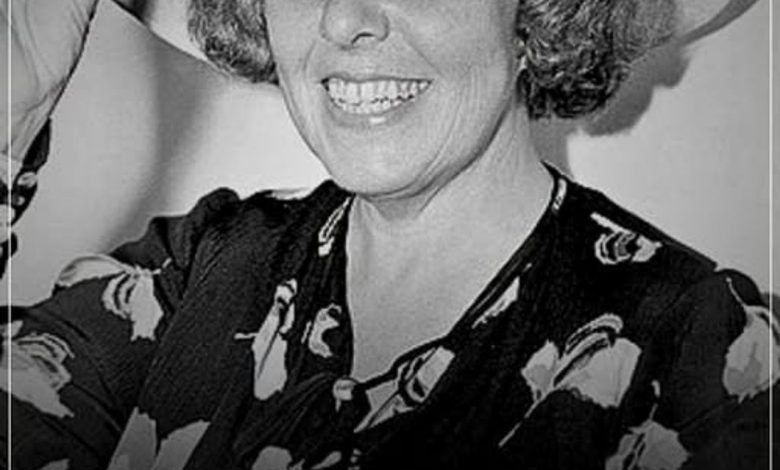
She learned her name had been dragged into Joseph McCarthy’s accusations on a Wednesday, and by the following Tuesday Dorothy Kenyon was sitting before the United States Senate, alone, with no one feeding her lines and no one promising the outcome. It was 1950, and the country was already beginning to tilt under the weight of fear. McCarthy had just launched the kind of charge that could ruin a life before any evidence ever appeared, claiming hidden Communists had burrowed into the American government. For many people named in that moment, silence became the safest response.
Dorothy Kenyon was not built for silence. She was 62, a lawyer, a former New York City judge, a Smith College graduate who had earned her law degree and entered the bar in 1917, when women were still extraordinary in courtrooms simply by being there. For three decades she had worked on international commissions on women’s status, making legal arguments in spaces that were rarely prepared to hear them. So when McCarthy accused her of ties to 28 Communist-linked organizations, she answered quickly and publicly, calling him a liar who was hiding behind the legal protection of his office to smear people who could not defend themselves.
Then she went to Washington and said it under oath. On March 14, 1950, she appeared before the Senate subcommittee investigating McCarthy’s claims and faced the accusation head-on. What she offered was not theater or outrage for its own sake, but something steadier: the cool, deliberate force of a lawyer taking apart a case piece by piece. She pressed for evidence. She challenged the claims point by point. And McCarthy, for all the certainty in his public attacks, never produced the proof she demanded.
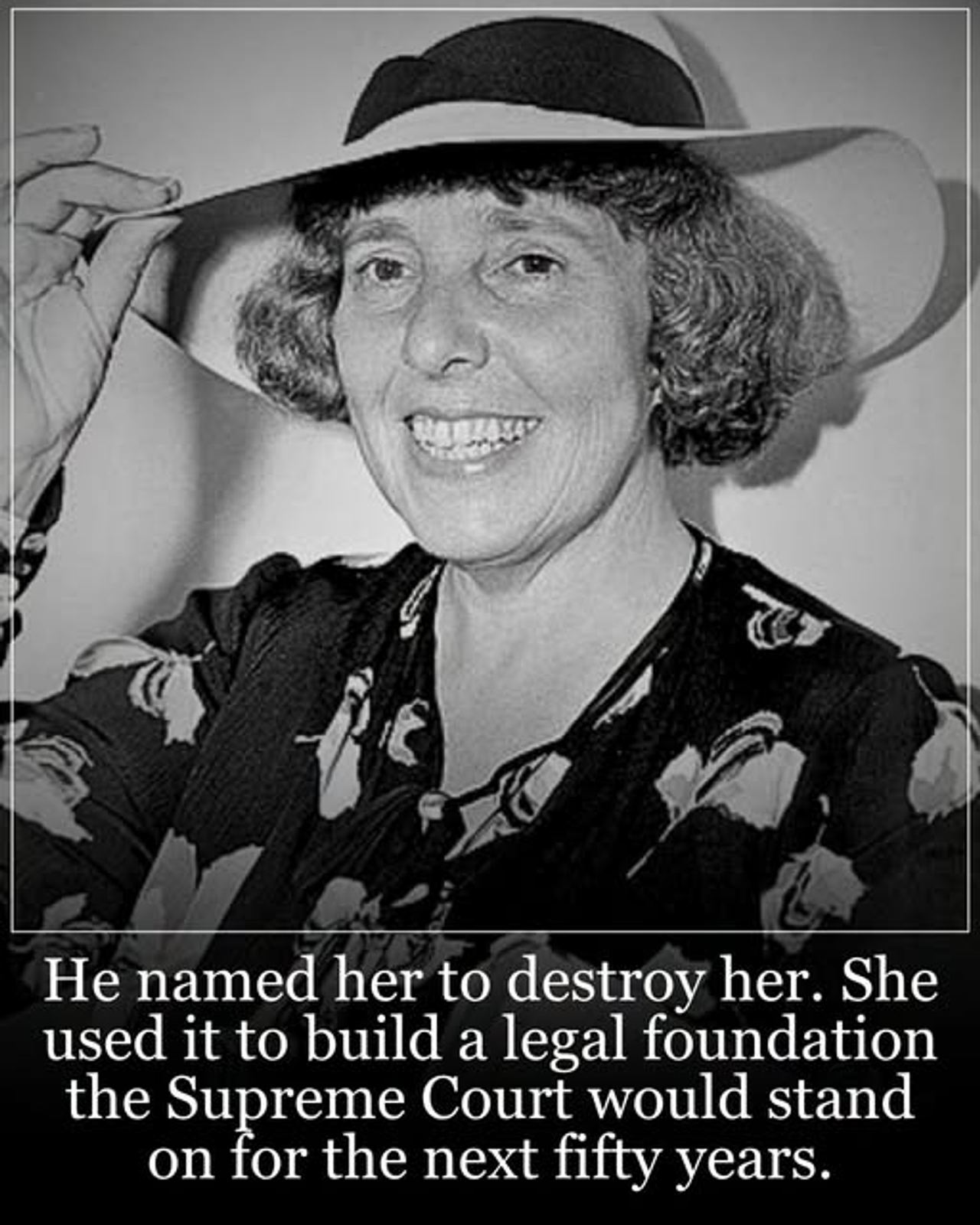
Months later, the subcommittee cleared her name entirely. But as with so many people caught in that era, official vindication did not restore what had already been lost. The accusation lingered. Clients quietly vanished. Government appointments dried up. The stain remained attached to her name even after the facts had failed to support it, a familiar cruelty of the time that would echo across hundreds of other lives.
Kenyon did not retreat. She returned to her office and kept working on the arguments that had defined her career: legal briefs meant to push the country toward a broader idea of justice. For the next two decades she argued that the constitutional protections used against racial discrimination should also apply to discrimination based on sex. At the time, almost nobody was listening.
The papers accumulated in filing cabinets, many of them going nowhere in the moment. But Dorothy Kenyon kept writing anyway, as if building for a future she would not live to see. In a period when fear rewarded silence, she chose the harder path: to answer, to testify, and to keep speaking long after the noise moved on.