Elton John Returned to the Stage He Shared With John Lennon — and Turned Memory Into Song
A promise made in the studio
In late 1974, Elton John and John Lennon were bound by more than mutual admiration. Elton had played piano and contributed vocals to Lennon’s “Whatever Gets You Thru the Night,” a collaboration that carried the easy energy of two major artists enjoying each other’s company. Out of that session came a joking bargain: if the single reached No. 1, Lennon would appear with Elton onstage.
paras
Lennon reportedly did not think the song would actually make it to the top. That disbelief became part of the story’s charm. The agreement sounded like the kind of dare musicians make in a relaxed moment, half serious and half amused. But when the record did hit No. 1, the bet had to be honored, and a casual promise suddenly became the setup for one of the era’s most celebrated live appearances.
The night at Madison Square Garden
The venue was Madison Square Garden in November 1974, and the event quickly became larger than a cameo. Lennon joined Elton before a New York crowd that understood it was witnessing something rare: a Beatle onstage in a setting that mixed spontaneity, friendship and pop history. The performance has endured because it felt both monumental and human, the result of a private joke that became public magic.
That night also took on deeper meaning with time. It became known as Lennon’s last major live concert appearance, a fact that transformed an already memorable show into a landmark. What might have remained a lively footnote in Elton John’s career instead became inseparable from Lennon’s own story, preserving a moment when he seemed playful, relaxed and fully present under the lights.
If the record reached No. 1, Lennon would join Elton onstage — a playful agreement that became rock history.
A friendship heard in harmony
What made the performance resonate was not only Lennon’s star power but the visible affection between the two men. Their friendship had grown through music, through sessions, shared humor and the kind of artistic shorthand that lets one singer lean into another’s rhythm without forcing it. Elton, already a dominant performer, seemed energized by Lennon’s presence; Lennon, in turn, looked liberated by the informality of the moment.
That warmth mattered later, because it gave emotional weight to the music Elton would make after Lennon’s death. “Empty Garden (Hey Hey Johnny)” was not written from a distance. It was shaped by personal loss and by memories that included that Garden stage, that wager, and the improbable joy of seeing a promise fulfilled in front of thousands.
Returning to the same stage
Eight years after the 1974 appearance, Elton John returned to Madison Square Garden carrying an entirely different emotional burden. The stage was the same, but the meaning had changed. This time he was not welcoming a friend into the spotlight. He was singing to the absence that friend had left behind.
That song was “Empty Garden (Hey Hey Johnny),” Elton’s tribute to Lennon. On that stage, the title itself seemed to gather force. The image of an empty place, once full of life and voice, fit both the song and the venue. A location associated with delight and surprise had become a place of remembrance, where memory and performance were impossible to separate.
Why “Empty Garden” still lands
Tribute songs often struggle under the weight of reverence, but “Empty Garden (Hey Hey Johnny)” has endured because it is intimate rather than grandiose. It does not try to outshout grief. Instead, it circles the ordinary shock of losing someone whose personality once animated every room, every rehearsal, every shared plan. The song’s power lies in that contrast between public fame and private silence.
For listeners who know the Madison Square Garden backstory, the song carries an added ache. The same artist who once stood there in celebration now stood there in mourning. That return gave the performance a narrative arc few concerts ever possess: one stage, one friendship, two nights separated by years and by loss. It is a reminder that live music can preserve not just sound, but relationships.
A stage, a friend, a lasting image
The Elton John–John Lennon story remains compelling because it contains the elements great music history often does: spontaneity, affection, irony and heartbreak. A joking bet led to a legendary concert. A shared hit became a public memory. And a return to the same stage turned that memory into elegy.
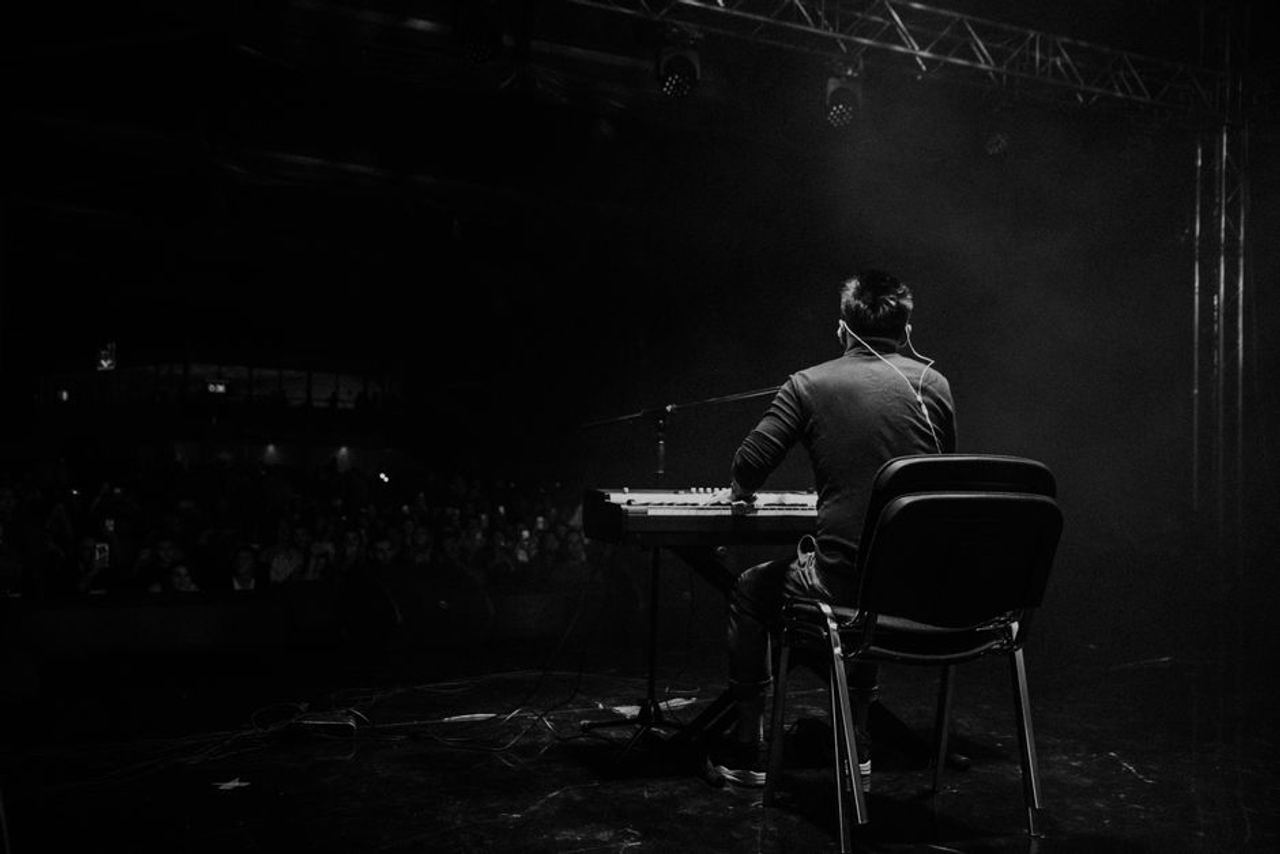
What lasts is the image of Elton at the piano, linked forever to two different Madison Square Garden moments. In one, he shares the spotlight with a friend who could hardly believe he had to keep his word. In the other, he sings into the space that friend once filled. Between those two performances lies not just a chapter of rock history, but a lesson in how music remembers.
Quick Facts
- Artists: Elton John and John Lennon
- Key 1974 song: “Whatever Gets You Thru the Night”
- Famous wager: If the single hit No. 1, Lennon would join Elton onstage
- Shared venue: Madison Square Garden
- Farewell song: “Empty Garden (Hey Hey Johnny)”
- Core theme: Friendship, memory and musical tribute
Image credits: Ramaz Bluashvili / Pexels; Wendy Wei / Pexels; Danik Prihodko / Pexels.