Johnny Cash’s Last Performance Was a Love Letter to June Carter Cash
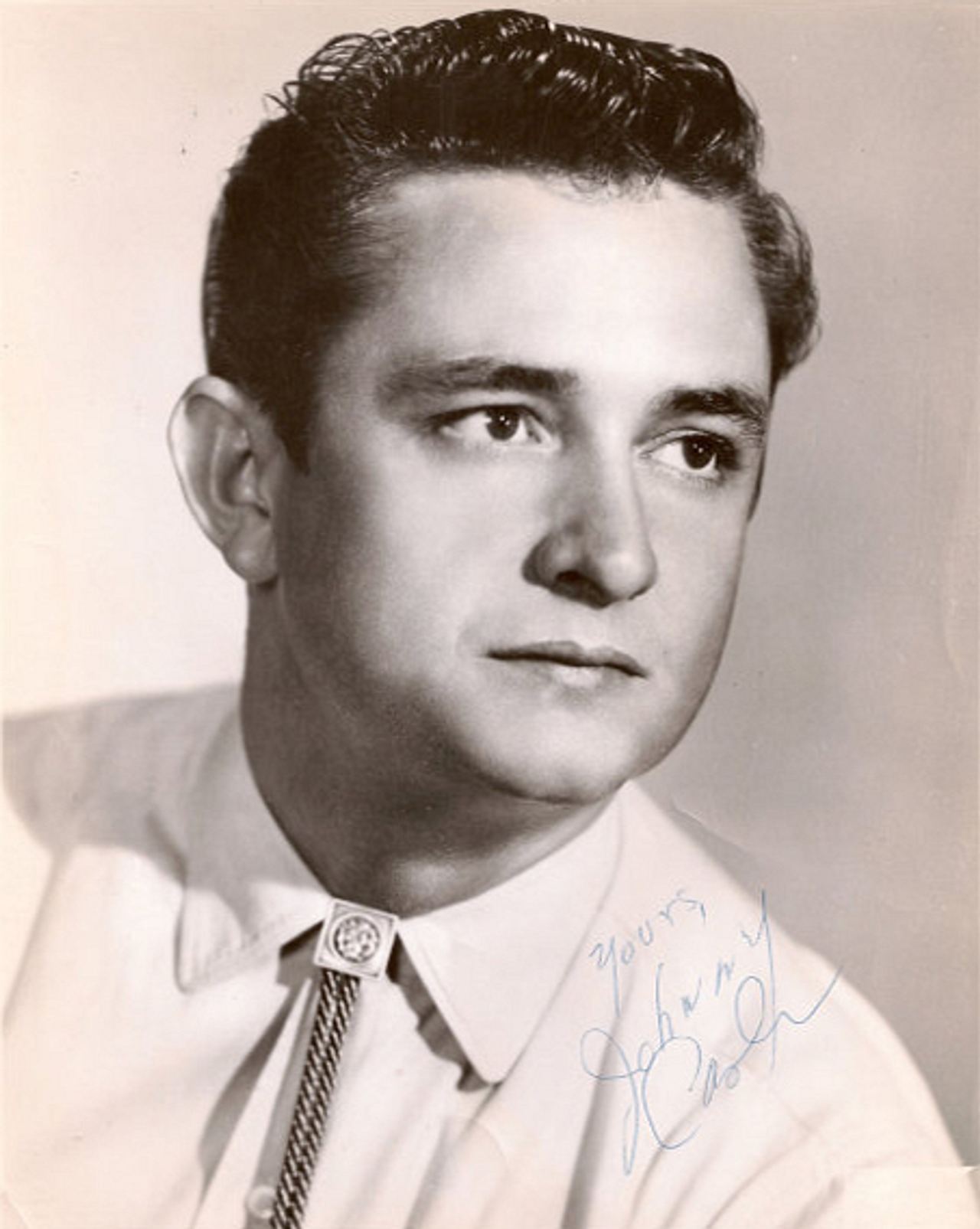
A final walk to the microphone
On July 5, 2003, Johnny Cash took the stage in Hiltons, Virginia, for what would be the last public performance of his life. He was 71, physically weakened, and still living inside the shock of recent loss. Less than two months earlier, June Carter Cash, his wife of 35 years and artistic partner through decades of triumph and turmoil, had died.
Those who remember that night often begin with the image of his body before they speak of his voice. Cash was so frail he needed help getting to the microphone. The effort of simply appearing in front of an audience seemed enormous. Yet he came anyway, refusing retreat, as if the act of singing itself could still hold him upright when almost nothing else could.
The power of that final performance lies in the contrast: a body failing in public, and a voice still carrying the weight of a lifetime.
Why the Carter Family Fold mattered
The setting was not incidental. The Carter Family Fold is one of the most meaningful places in country music, rooted in the legacy of the Carter Family and in the musical heritage that shaped June Carter Cash long before she became part of one of America’s most famous marriages. To appear there, in that room, was to stand inside June’s story as much as Johnny’s own.
For Cash, the venue was personal in a way no arena could ever be. This was not just another stop on a tour. It was a place tied to family, memory, and the older, deeper current of Appalachian and country tradition. In that sense, his final concert was more than a performance date; it was a return to sacred ground.
Grief at the center of the night
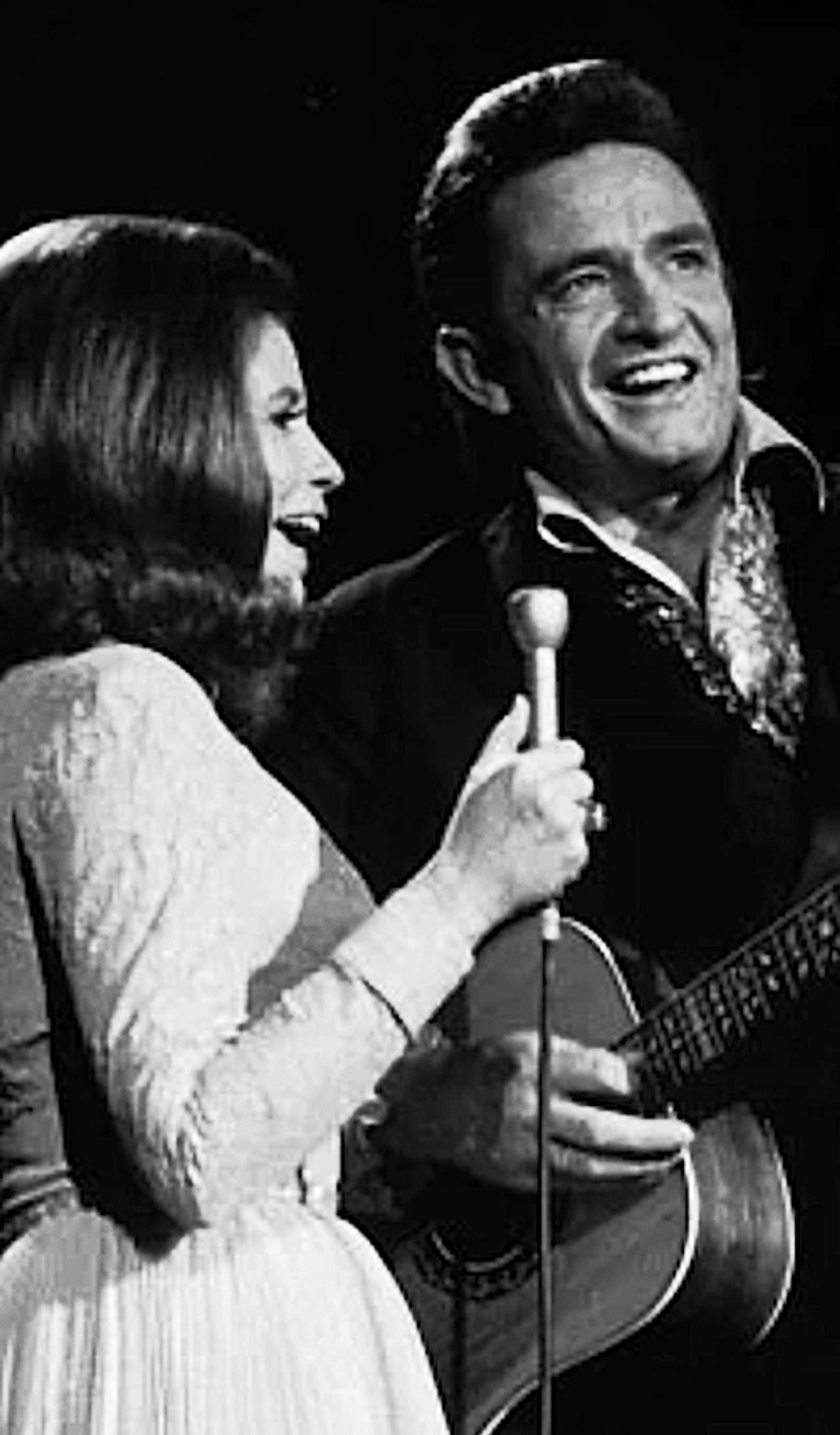
June Carter Cash had long been far more than a spouse in Johnny Cash’s public and private life. She was his collaborator, comic counterweight, defender, and source of steadiness. Their onstage chemistry was legendary, but the bond behind it was what gave their performances such warmth and friction. Her death left a visible wound.
That is what gives the final appearance in Hiltons its emotional force. Cash was not simply an aging icon fulfilling an obligation. He was a grieving husband stepping before an audience in a place bound to his wife’s lineage. Every song, every pause, every moment at the microphone was shadowed by absence. The concert has endured in memory because it felt less like a show than a man carrying love and sorrow into public view.
The enduring image of Johnny Cash
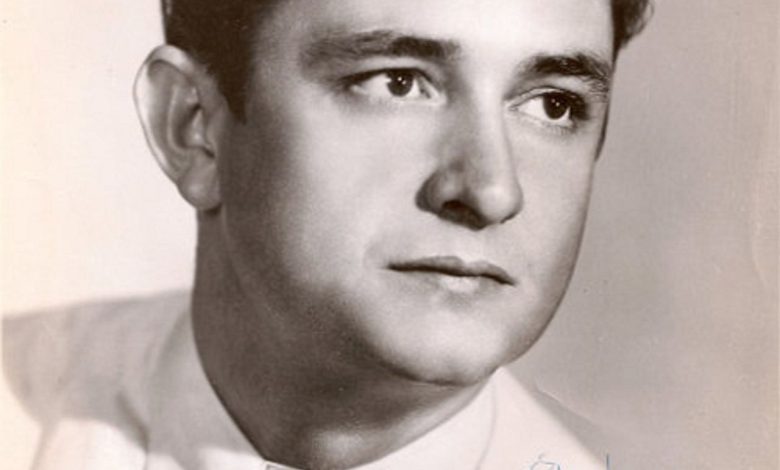
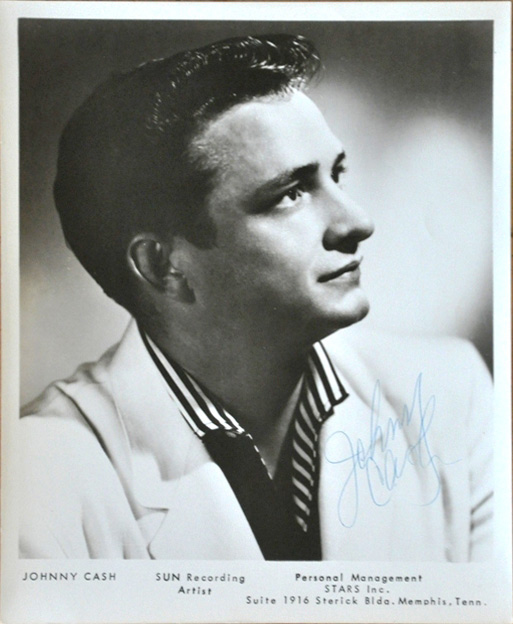
Johnny Cash had spent decades building one of the most recognizable presences in American music. He was the Man in Black, the stern-faced storyteller, the singer who could sound at once biblical, intimate, and defiant. By 2003, that myth was already secure. But late images of Cash added something deeper: vulnerability without self-pity.
His final public performance is now remembered partly because it stripped away every layer except the essentials. There was no need for grandeur. What remained was a voice, a history, and a reason to sing. In that stripped-down setting, audiences saw not only a legend nearing the end of his life, but a husband honoring the person who had shaped that life beside him.
A farewell rooted in country music’s first family
The Carter Family’s place in country music history gives the night another resonance. Their songs and style helped define the genre’s early language, and June Carter Cash carried that heritage forward with wit, skill, and fierce individuality. By singing at the Fold after her death, Johnny Cash was also acknowledging the family tradition that had long been part of his own story.
That connection matters because country music has always been a music of lineage as well as personality. Songs are handed down, places become symbols, and family names carry echoes across generations. Cash’s final concert sat at the meeting point of all three: his own towering legacy, June’s family inheritance, and the old mountain roots that fed both.
Why the moment still resonates
Many final performances are remembered because they seem prophetic in hindsight. Johnny Cash’s last public appearance is different. Its meaning was present in the room from the start. A weakened man, mourning his wife, chose to sing in a place that connected directly to her family and to the deepest foundations of the music they both loved. The symbolism hardly needed explanation.
That is why the event continues to move people who care about country music and American culture more broadly. It compresses so much into a single scene: mortality, marriage, artistic devotion, and the stubborn insistence on showing up one more time. Cash could barely walk to the stage. He went anyway. In that decision, as much as in the songs themselves, he left behind one final testimony.
Quick Facts
- Performer: Johnny Cash
- Final public performance: July 5, 2003
- Location: Carter Family Fold, Hiltons, Virginia
- Age at the time: 71
- Context: He performed less than two months after the death of June Carter Cash
- Significance: Widely remembered as Johnny Cash’s last public performance
Image credits: Sun Records / Wikimedia Commons / Public domain; Johnny Cash Promotional Photo for Sun Records, taken in 1955 / Wikimedia Commons / Public domain; Columbia Records / Wikimedia Commons / Public domain.