He Survived a Crash and Returned With a Warning – Then the Album Reached Number One
In August 1973, a serious highway accident nearly ended Stevie Wonder’s life during one of the most creative periods any popular musician had experienced. He suffered major head injuries and spent days unconscious. When he returned with Fulfillingness’ First Finale in 1974, the album did not sound like a simple victory lap. Its warmth carried reflection, mortality and political frustration. The record eventually reached number one, but its most forceful single warned that survival had not made him willing to accept empty promises.
Wonder had recently won extraordinary artistic independence from Motown. Music of My Mind, Talking Book and Innervisions showed how completely he could shape songs through keyboards, synthesizers, drums, harmonica, voice and studio design. The accident interrupted that momentum after a concert in South Carolina, when the vehicle carrying him collided with a truck. Friends and collaborators feared the worst. Recovery required time, and the experience inevitably changed how listeners heard the music that followed.
Fulfillingness’ First Finale was released in July 1974. Compared with the restless sprawl of Innervisions, it often feels intimate and inward. Songs consider relationships, faith, disappointment and the instability of ordinary happiness. The title itself suggests closure, but the phrase is intentionally contradictory: a finale can be first only if more endings and beginnings remain ahead. Wonder had survived, yet the album refused to pretend that survival produced certainty.
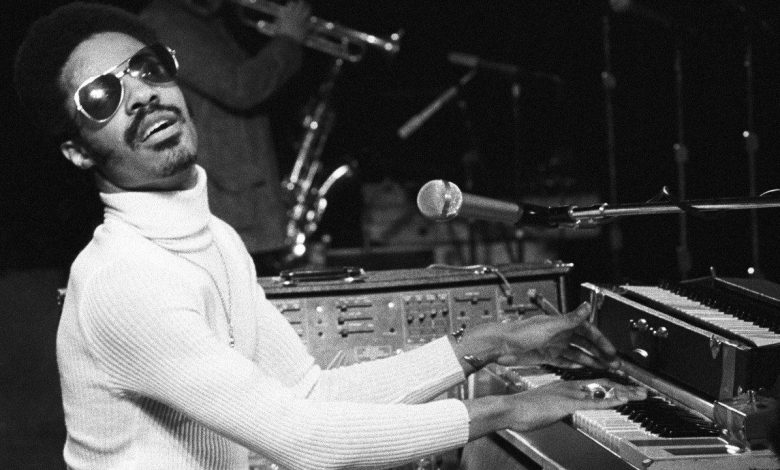
Stevie Wonder performing at a keyboard during his return to the stage in 1974.
At its political center stood “You Haven’t Done Nothin’,” a song aimed at leaders who offered reassuring language while conditions remained unchanged. Wonder did not name President Richard Nixon in the lyric, but contemporary listeners had little difficulty recognizing the target. The single was released as the Watergate crisis reached its conclusion. Nixon announced his resignation almost immediately afterward, giving the record an uncanny relationship to the political moment even though its criticism extended beyond one man.
The track’s musical construction makes the rebuke sharper. A heavy clavinet figure and tightly controlled rhythm create an irresistible groove, while the vocal lists failures with increasing impatience. The Jackson 5 contribute the repeated backing response, their bright voices turning the chorus into something both playful and accusing. Wonder understood that protest did not have to sound solemn. By making the record move, he placed its message inside bodies before listeners could reduce it to a speech.
That combination of pleasure and pressure helped the single reach number one on the Billboard Hot 100. The album followed with its own major chart success, beginning a two-week run at number one in September 1974. This was Wonder’s second chart-topping American album. The achievement confirmed that the creative control he had fought for was not separating him from a mass audience. His most personal and demanding work was becoming his most commercially powerful.

The album also included “Boogie On Reggae Woman,” “Heaven Is 10 Zillion Light Years Away” and the deeply tender “They Won’t Go When I Go.” Together the songs resist a single emotional label. Sensuality sits beside spiritual doubt; affection sits beside suspicion; polished craft carries the memory of bodily vulnerability. Wonder plays many of the instruments, but the record never feels like a technical demonstration. His control serves questions that the music deliberately leaves open.
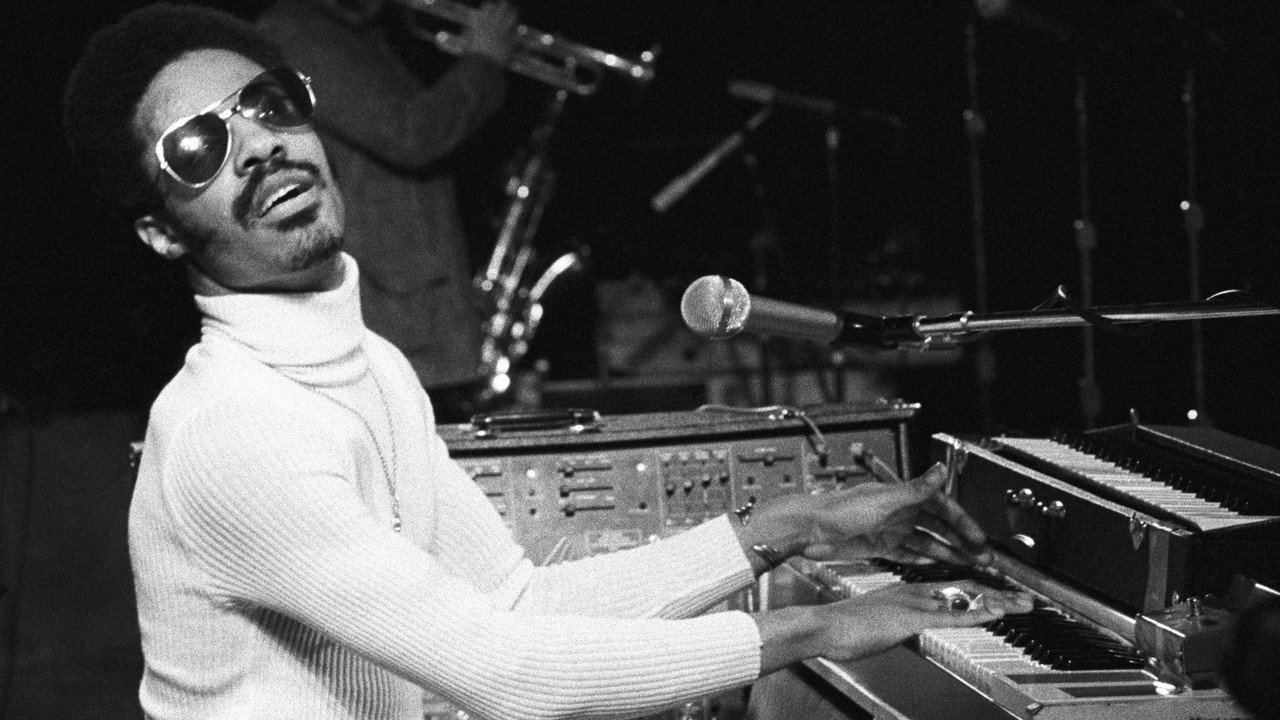
Stevie Wonder singing and playing keyboards during a 1974 television concert.
At the 1975 Grammy Awards, Fulfillingness’ First Finale won Album of the Year, while Wonder received additional honors for his performance and production. It followed Innervisions to give him consecutive Album of the Year victories, an extraordinary recognition during what is now called his classic period. Awards can flatten complicated records into monuments, yet this album remains alive because it sounds transitional. The artist is recovering, reassessing and refusing to settle into the identity success had prepared for him.
The accident should not be used as an easy explanation for every lyric. Much of Wonder’s concern with injustice, faith and human responsibility existed long before the crash. What changed was the emotional context. Listeners knew that the voice had nearly been silenced. Quiet passages carried new fragility, and the political anger sounded like someone unwilling to waste a second life on politeness. The album’s restraint can therefore feel more courageous than a louder declaration of survival.
Listen again to “You Haven’t Done Nothin'” and notice how little distance exists between celebration and confrontation. The groove invites movement; the words deny leaders the comfort of symbolic progress. That balance explains the larger album as well. Stevie Wonder returned from disaster without turning pain into spectacle. He created music rich enough to hold gratitude, doubt, love and anger at once, then watched the public carry that difficult collection all the way to number one. Its deeply urgent questions remain as vivid as its melodies.
Listen to the recording
[EMBED:
Continue reading
The Unexpected Detour That Turned an R&B Idea Into a Country-Pop Lifeline
A Different Kind of Partnership
Some songs feel as if they were waiting for two particular voices. “Islands in the Stream,” recorded by Dolly Parton and Kenny Rogers in 1983, is one of them—but its path to becoming a country-pop classic was less predictable than its easy chemistry suggests.
The song was written by Barry, Robin, and Maurice Gibb of the Bee Gees for Rogers’ album Eyes That See in the Dark. The brothers initially approached the material with an R&B sound in mind, but Rogers and producer Barry Gibb took it in another direction. When Rogers decided the song needed a female voice, Parton became the natural choice for a duet that could balance warmth with sparkle.
Their pairing worked because neither singer tries to overpower the other. Rogers brings a steady, conversational presence, while Parton adds brightness and lift. The contrast gives the song its emotional shape: one voice sounds grounded, the other rises above it, and together they create the impression of two people choosing confidence over uncertainty.
That feeling is central to the song’s appeal. Its narrator imagines love as a refuge from outside pressure, using images of separation and shelter to describe a bond that can endure. Those ideas are broad enough to invite personal interpretation, but they should not be mistaken for a documented account of Rogers’ or Parton’s private lives. The “we” belongs to the song’s characters and performance, not to a hidden biography.

Hope Without Heaviness
“Islands in the Stream” carries a hopeful mood without pretending that fear or doubt do not exist. The arrangement moves with a smooth, rolling pulse, and the melody gives the chorus a feeling of release. Even when the subject is emotional vulnerability, the record never sinks into gloom. It keeps moving forward.
Parton and Rogers also understand the value of restraint. Their vocal exchanges sound affectionate, but not theatrical; intimate, but not confessional. The duet suggests mutual reliance through timing and tone rather than through exaggerated drama. That makes the song feel less like a declaration overheard in private and more like a shared promise made in full view of the world.
The recording became a major success, reaching No. 1 on the Billboard Hot 100 in 1983 and strengthening both singers’ reputations as versatile performers. For Rogers, it expanded the reach of a country-centered career into polished pop. For Parton, it added another widely recognized collaboration to a catalog already marked by musical range.
Why the Song Still Connects
The enduring charm of “Islands in the Stream” lies in the distance between its simple story and its carefully crafted performance. The lyrics present a couple who find safety in one another, but the singers do not ask listeners to treat that scenario as autobiography. Instead, they make the imagined relationship feel emotionally credible for a few minutes.
That distinction matters. Dolly Parton and Kenny Rogers were close professional collaborators and longtime friends, but the song’s hopeful promise belongs to the characters they portray. Its magic comes from hearing two distinctive artists make that promise sound generous, stable, and possible.
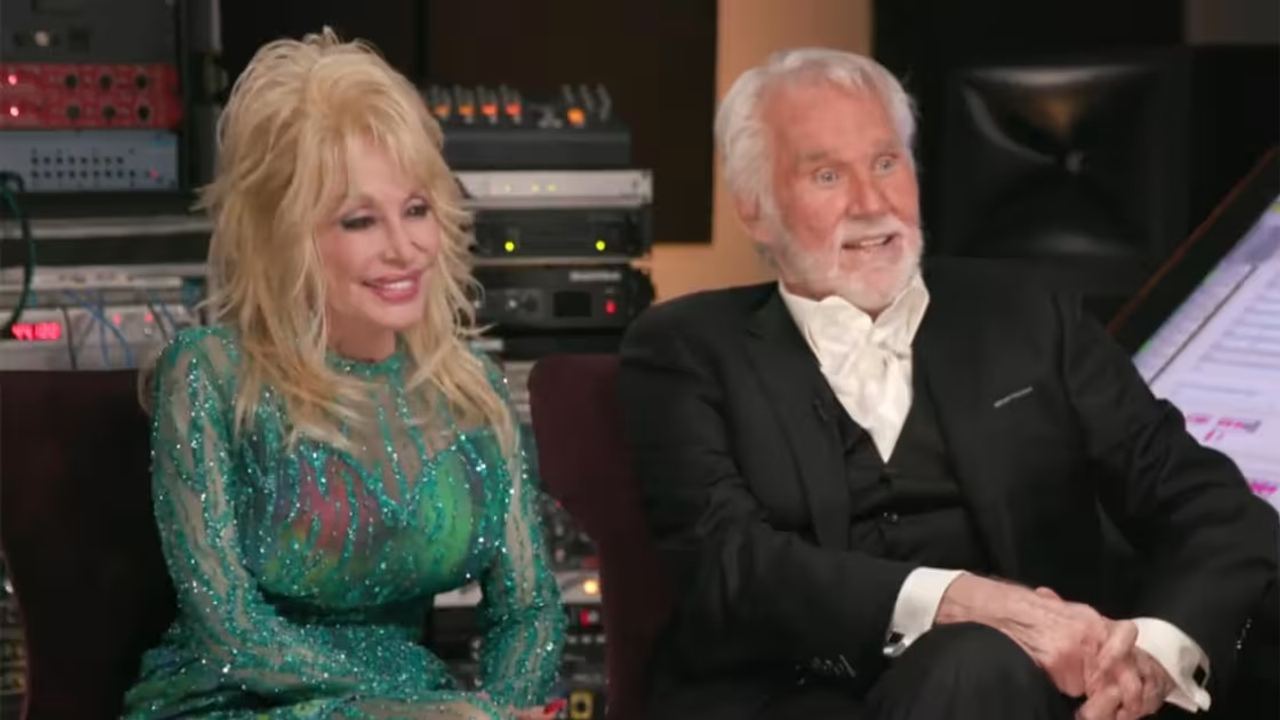
Revisited now, the recording still offers a small but persuasive form of comfort: two voices meeting in the middle, turning uncertainty into harmony.
One of Country-Pop's Biggest Duets Was Not a Joint Album at All
A hit single can become so closely identified with two artists that listeners forget where it actually came from. That is part of the curious history of “Islands in the Stream,” the Dolly Parton and Kenny Rogers duet that conquered several charts in 1983. The song was a shared triumph, but its parent album was not a joint project: it was Kenny Rogers’s Eyes That See in the Dark.
That distinction matters because the single and the album achieved success on different scales and in different ways. “Islands in the Stream” was credited to Kenny Rogers with Dolly Parton and became a No. 1 hit on the Billboard Hot 100, as well as the country and adult contemporary charts. For both singers, it represented a remarkably broad crossover moment, bringing country voices into the center of mainstream pop radio.
Eyes That See in the Dark, by contrast, was a Kenny Rogers solo album. Released in 1983, it was produced by Barry Gibb, whose involvement gave the project a polished pop sensibility without stripping Rogers of his country identity. The album reached No. 1 on Billboard’s Top Country Albums chart and No. 6 on the Billboard 200, a major result but not the same achievement as the single’s simultaneous dominance across multiple formats.
A duet inside a larger project
The song’s unusual path helped make the collaboration feel bigger than the album around it. “Islands in the Stream” was written by Barry, Robin, and Maurice Gibb. Although it carried the sleek melodic character associated with the Bee Gees, Rogers and Parton reshaped it into a conversational country-pop duet. Rogers’s steady, conversational delivery meets Parton’s bright, unmistakable phrasing, creating the impression of two people choosing trust over isolation.
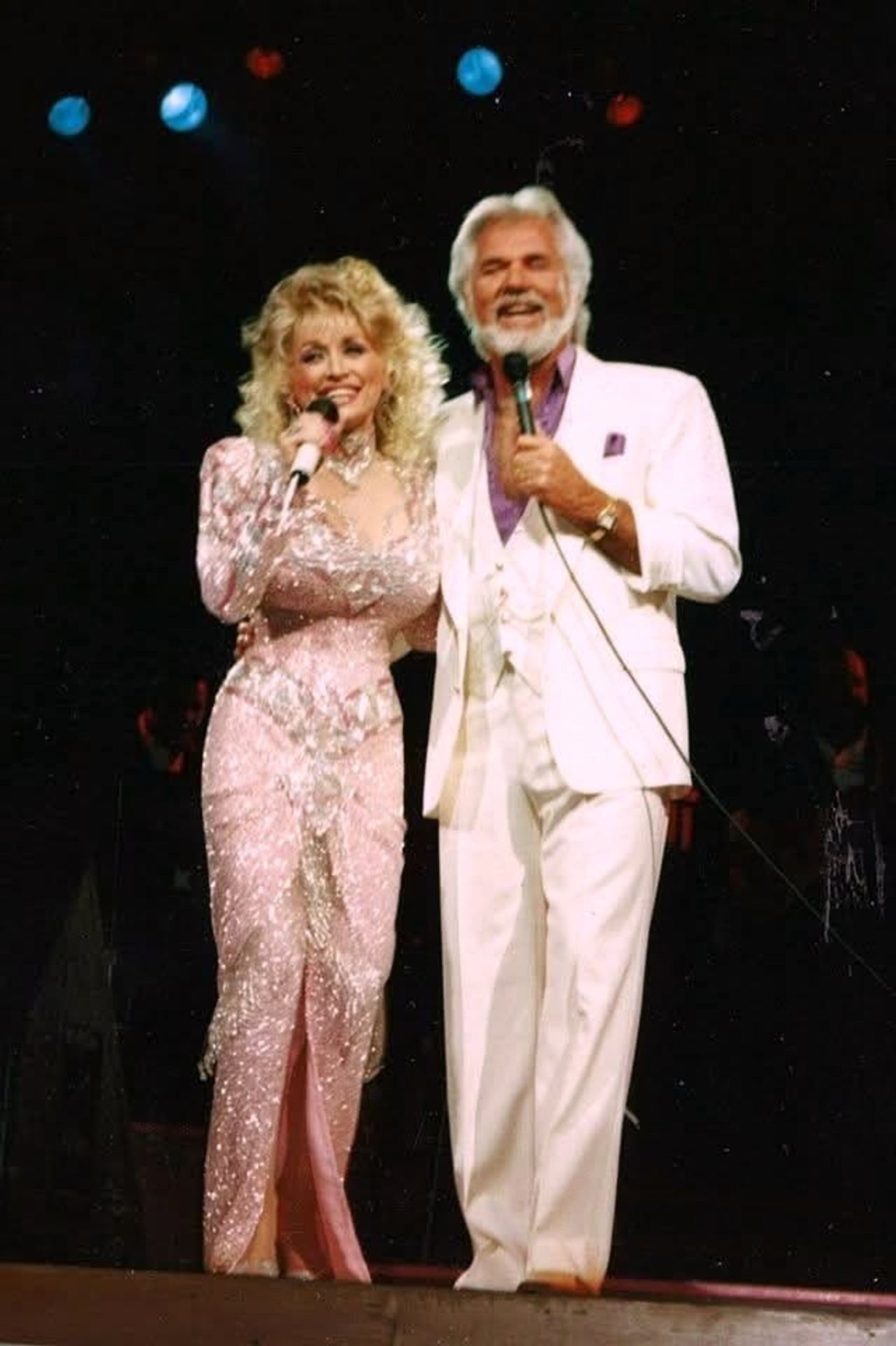
That chemistry is the heart of the recording. The production is smooth and carefully arranged, but the appeal does not depend only on its studio sheen. Rogers sounds grounded and reassuring, while Parton adds lift and emotional sparkle. Their voices do not compete; they alternate and blend, making the song’s central idea feel like a mutual promise rather than a solo declaration.
The collaboration also carried the warmth of an established professional friendship. Rogers and Parton had already built individual careers with distinct public identities: he was known for narrative country-pop hits and an easygoing presence, while she combined wit, vulnerability, and an unmistakable Appalachian-rooted voice. “Islands in the Stream” worked because the pairing sounded natural without erasing either personality.
Its success can sometimes make the album’s role disappear. The single became the cultural landmark, while Eyes That See in the Dark served as the setting that introduced it. The album’s chart performance was substantial, particularly in country music, but it should not be described as though it achieved the single’s exact pop-chart status.
That difference is worth remembering when the song returns to the radio. “Islands in the Stream” was not the title track of a Dolly Parton and Kenny Rogers album, nor was it simply one more track in an equal partnership. It was a standout duet placed inside a Kenny Rogers record, then lifted beyond it by the unmistakable balance between two voices.
A Stalled Solo Found Its Missing Voice – Then Repetition Made It Stick
Kenny Rogers had the song, the studio team and one of pop’s most accomplished writers guiding the session. What he did not yet have was a convincing record. As Rogers later recalled, “Islands in the Stream” had resisted his efforts as a solo performance until Barry Gibb suggested bringing in Dolly Parton. Once she joined Rogers at the microphone, the song’s emotional logic became clear.
Released in 1983 on Rogers’ album Eyes That See in the Dark, “Islands in the Stream” was written by Barry, Robin and Maurice Gibb. Its title came from Ernest Hemingway’s novel, but the song does not borrow the book’s plot. Instead, it offers a broadly drawn portrait of romantic devotion, leaving the voices and recurring chorus to create the drama.
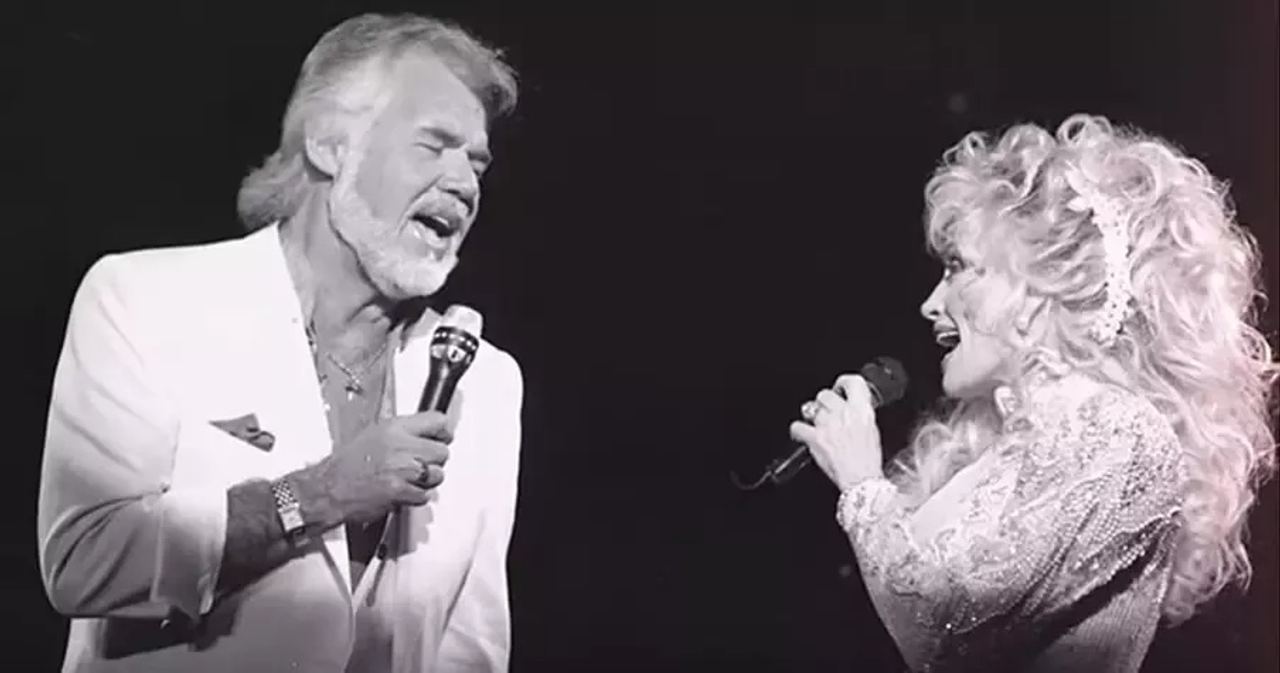
A story told through two voices
The recording opens with Rogers alone, his warm, slightly weathered delivery giving the first verse a grounded quality. Parton’s entrance changes the scale of the performance. Her bright, agile voice does not merely decorate the track; it answers Rogers and turns a general declaration into an exchange between two people.
That contrast provides nearly all the narrative the song needs. There are no named characters, specific locations or complicated chain of events. Listeners are not asked to follow a breakup, reunion or detailed history. They hear two singers presenting certainty, then reinforcing it as their lines alternate, overlap and finally settle into harmony.
The arrangement creates momentum through that progression. Rogers establishes the emotional premise, Parton raises the energy, and the pair increasingly sound like a unit. Each return to the chorus feels familiar, but it also carries the memory of what their voices have just done together.
Why the repetition works
The song’s central image is repeated often enough to become instantly recognizable. Yet repetition here is not simply a commercial hook pasted onto a thin idea. It mirrors the subject: two people reassuring each other by returning to the same promise. The lack of detailed storytelling gives listeners room to attach their own experiences to that promise.
The chorus also benefits from its plain, balanced construction. Its phrases arrive in an easy-to-follow pattern, and the melody favors broad, singable movement over intricate twists. By the time Rogers and Parton repeat it together, the audience already understands both the tune and the emotional destination.

That accessibility helped “Islands in the Stream” cross musical boundaries. The single reached No. 1 on Billboard’s Hot 100, country and adult contemporary charts, confirming that its appeal extended well beyond either singer’s usual audience. It also strengthened a professional partnership that would lead to further recordings and performances, while never requiring listeners to mistake their musical chemistry for a romance.
The studio problem Rogers faced was solved not by adding more plot, but by adding the right person. Parton’s arrival gave the repetitions a human shape: statement, response and shared conviction. Listen again, and the song’s simplicity becomes its craft. It keeps returning to the same emotional place, but each return sounds fuller because two distinct voices have learned to occupy it together.
Share
X

Telegram
Other posts
Sep 14, 2026
A Solo Song Found Its Spark When Two Voices Started Talking
Sep 14, 2026

The Duet That Works Because Neither Singer Tries to Win
Sep 14, 2026
The Duet That Makes Romantic Certainty Sound Like a Delicate Negotiation
Sep 14, 2026
How Two Solo Voices Turned Isolation Into a Celebration of Choosing Each Other
Sep 14, 2026
The Song That Changed Shape Before Dolly Parton Joined Kenny Rogers

Sep 14, 2026
The Country Duet That Was Really a Sleek Pop Experiment
Sep 14, 2026
The Song That Almost Didn't Fit Found Its Home in Two Voices
Sep 14, 2026
How Two Voices Turned Agreement Into Drama
↑