How a broken shark helped create the summer blockbuster
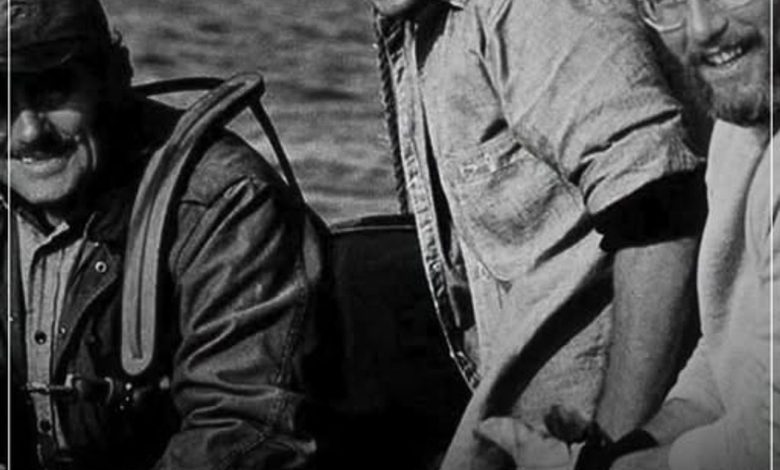
In the spring of 1974, a twenty-six-year-old Steven Spielberg stood on a boat off the coast of Massachusetts and looked at a problem that seemed ready to sink his film. The mechanical shark built for the production — nicknamed after his own lawyer — simply would not work. Salt water corroded its hydraulics, it sank on its first test, and when it did move, it often jammed mid-bite. Every day it failed, the production lost time and money it did not have.
For many filmmakers, that would have been the end of the story. For Spielberg, it became the accident that shaped everything. With no reliable shark to show, he had to find another way to create fear. Instead of revealing the creature, he suggested it: a fin cutting the water, a barrel drifting with ominous purpose, the camera slipping below the surface to show a danger the characters could not see. What had begun as damage control slowly became the film’s grammar of suspense.
That invisible menace was strengthened by another stroke of genius. Composer John Williams sat at the piano and played Spielberg two low, simple notes, repeated over and over. Spielberg reportedly laughed at first, thinking it was a joke or a placeholder. It was not. Those two notes became one of the most recognizable musical cues in movie history, the kind of sound that can make even a swimming pool feel threatening.
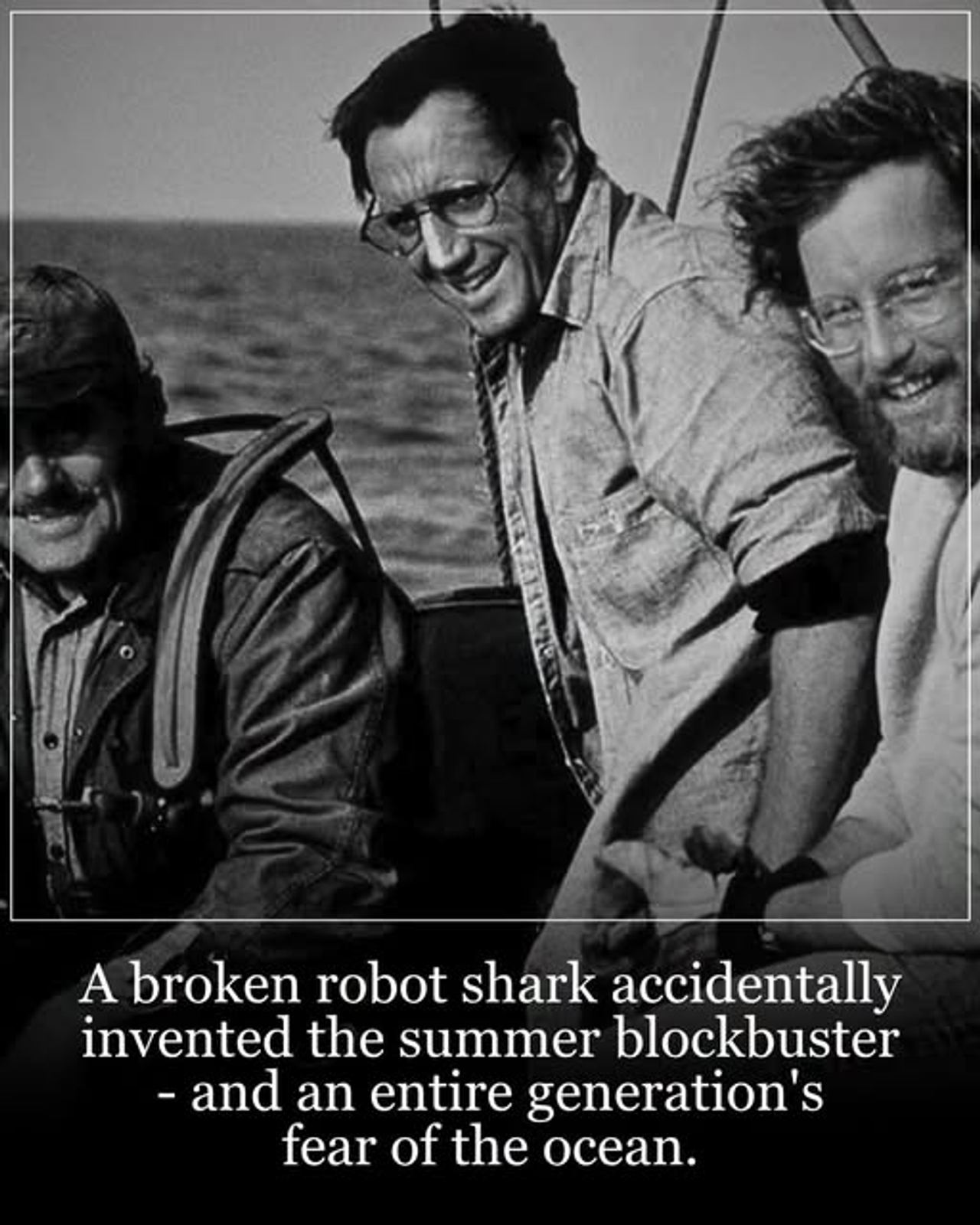
The production itself was the stuff of legend: a shoot that ran nearly three times longer than planned, a budget that climbed far beyond its original estimate, and a crew that sometimes wondered whether the film would ever be completed. Yet the chaos on set never showed up as weakness on screen. If anything, it gave the finished film a strange precision, as if every delay had pushed the director deeper into the art of withholding just enough.
When the movie finally opened on June 20, 1975, the response was immediate and overwhelming. Lines wrapped around city blocks. Theaters sold out show after show. Within months, it crossed $100 million at the box office, an astonishing feat for a film that had cost only a fraction of that to make. It became the highest-grossing film ever released for a time, holding that record until Star Wars arrived two years later.
But the larger impact went far beyond box office numbers. Before this film, major releases often opened quietly in a few cities and spread gradually through word of mouth. After it, studios began thinking differently: wider openings, heavier advertising, and the idea that a movie could be engineered for a single explosive weekend. The modern summer blockbuster was born in part from a shark that would not work, a filmmaker who learned to fear what the audience could imagine, and a simple two-note theme that still swims in the mind long after the credits end.