How Dresden haunted Kurt Vonnegut into writing Slaughterhouse-Five
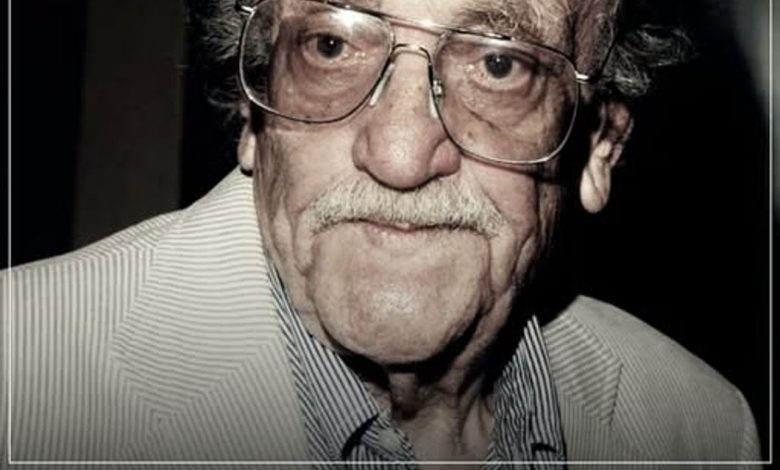
He was only twenty-two when grief began arriving in waves, long before he had the language to hold it. Kurt Vonnegut came home on leave expecting an ordinary family visit on Mother’s Day, only to learn that his mother had died the night before he arrived. There was no real chance to process the loss. Orders pulled him back into the war, and the future kept moving before he could catch his breath.
By December, the war had taken him prisoner. Captured during the Battle of the Bulge, he was crammed into a boxcar with hundreds of other American soldiers and sent across Germany to a place he had never heard of: Dresden. The Germans placed the prisoners in an old slaughterhouse called Schlachthof Fünf, a name that would later echo through literary history as Slaughterhouse-Five.
For a while, nothing happened. The waiting itself must have felt like a kind of punishment, suspended in a city far from home and far from anything familiar. Then, on the night of February 13, 1945, the sirens began. Guards rushed the prisoners down a stairwell and into a meat locker sixty feet underground, where hanging carcasses lined the room and the cold pressed in around them. There, in the dark, they listened as bombers turned the city above them into fire.
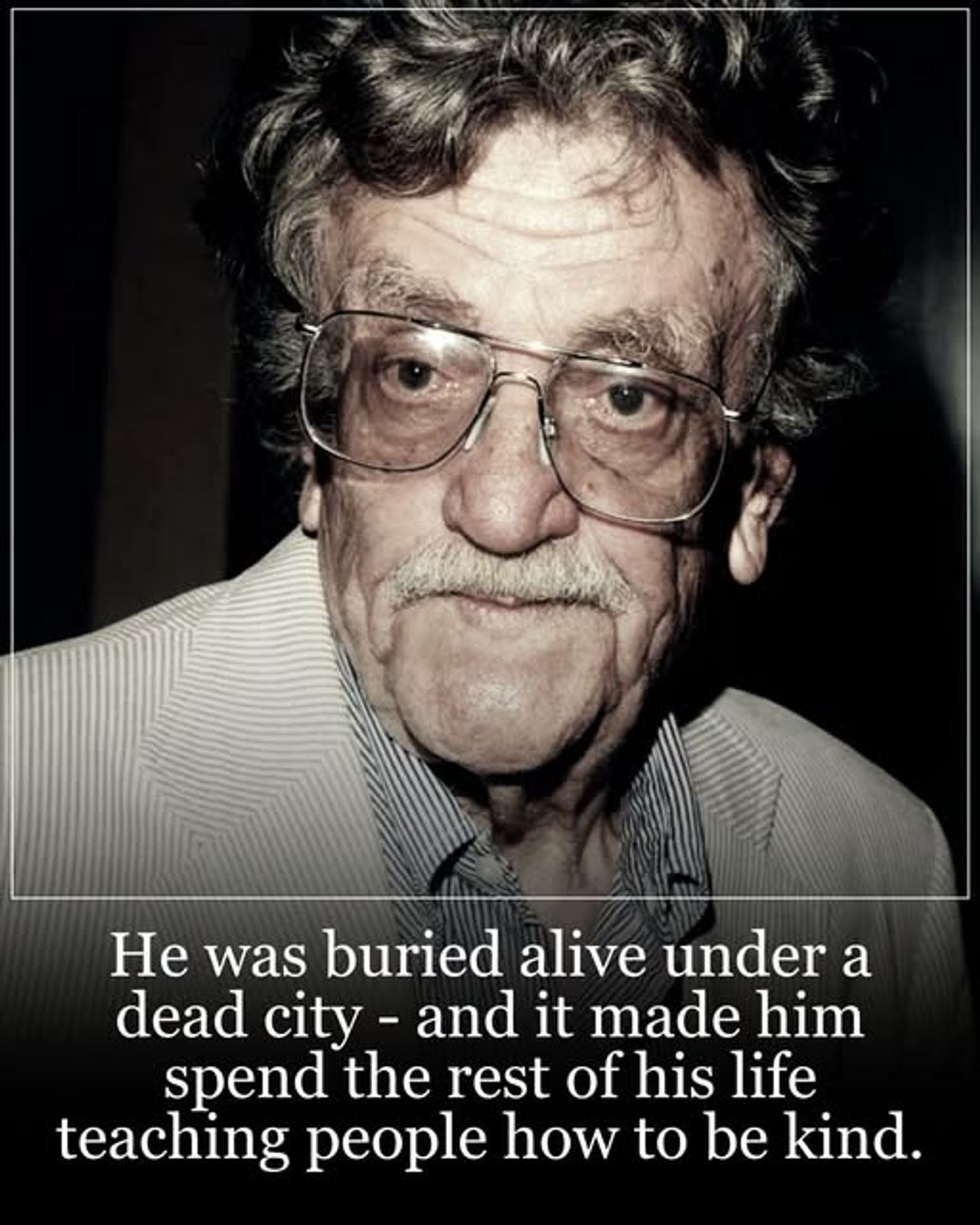
By morning, roughly 25,000 people were dead. When Vonnegut and the others came back up, Dresden was no longer the city they had seen before. In the weeks that followed, the prisoners were put to work pulling bodies from the wreckage. Vonnegut would later describe the scene with terrible calm, calling it a kind of Easter egg hunt — a phrase so restrained it feels almost unbearable, the kind of sentence that can only come after years of surviving what should not be survivable.
After the war, he came home and tried to build a life. He married his childhood sweetheart, took a public relations job, and attempted to run a car dealership that failed. He wrote short stories, selling enough to keep going but never enough to make life easy. Then tragedy returned to his family: his sister Alice died of cancer just two days after her husband was killed in a train accident, a fact she never knew.
Kurt and his wife did not hesitate. They adopted Alice’s three young sons, raising six children on a writer’s uncertain income. Through all of it, Dresden remained inside him, silent and unfinished. Some experiences do not become stories quickly; they wait, sometimes for decades, until the person who lived them can finally bear to speak.
It took twenty-five years before Vonnegut sat down to write it. Even then, the story would not come out in a straight line. Memory had broken it apart, and so he let it stay broken. In Billy Pilgrim, a soldier who becomes “unstuck in time,” he found a form large enough to hold the chaos. And in that strange, aching shape, Vonnegut turned devastation into art, proving that sometimes the deepest truths arrive only after a very long silence.