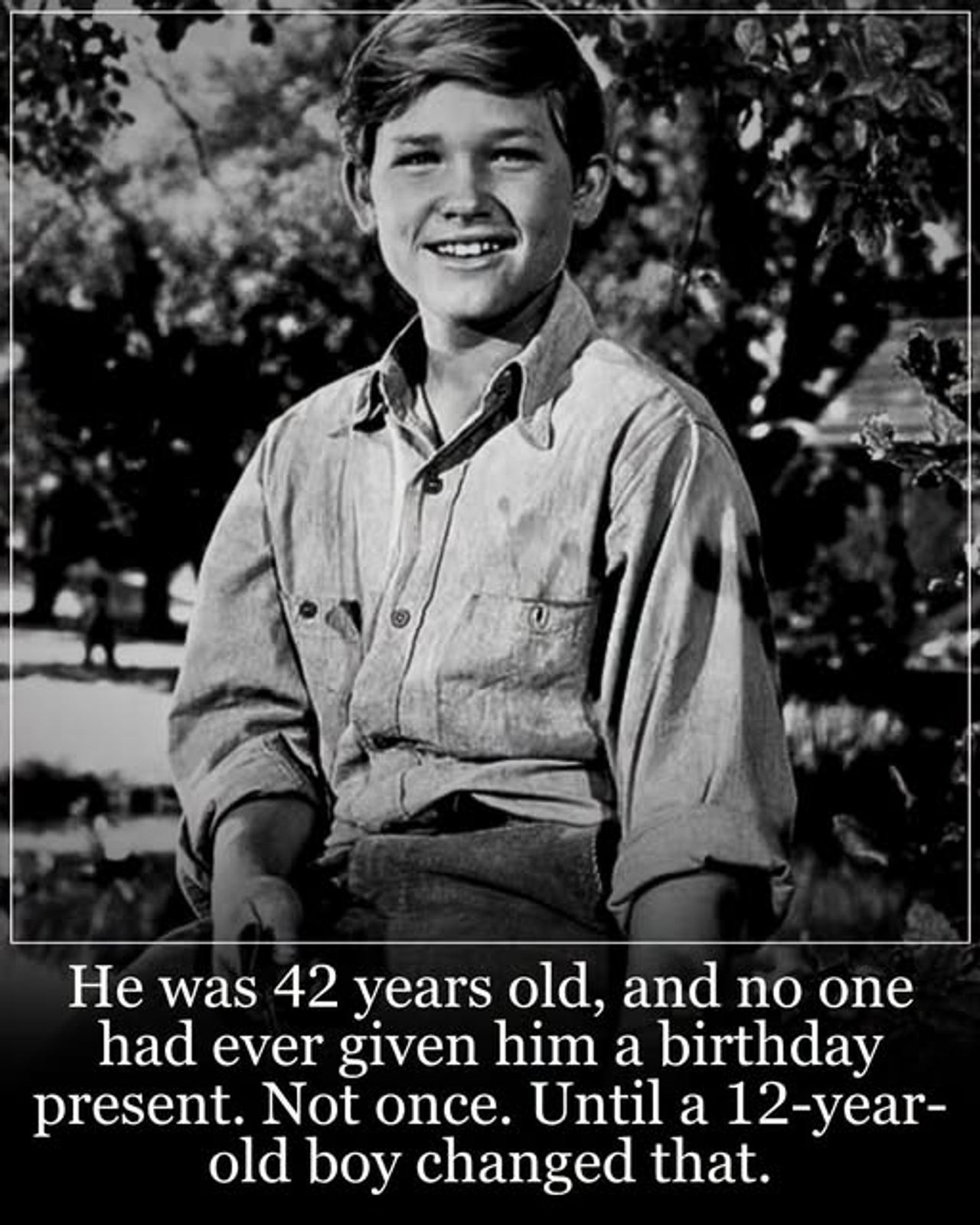
“In 1963, Charles Bronson was already the man Hollywood would later bu
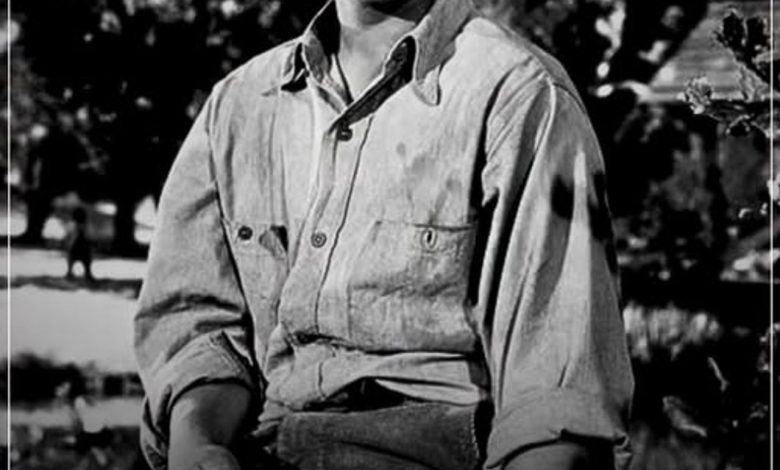
“In 1963, Charles Bronson was already the man Hollywood would later build entire action franchises around — the stone jaw, the flat stare, the silence that made grown actors nervous. He didn’t talk much between takes. He didn’t need to. His presence alone said enough. Kurt Russell was twelve. The two were thrown together on the set of a television western called “”The Travels of Jaimie McPheeters,”” Kurt as the wide-eyed lead, Bronson as a late addition playing a hardened wagon master. On paper, they had nothing in common. A child actor trying to remember his lines, and a man who looked like he’d been carved out of granite. Then Kurt found out something small: it was Bronson’s birthday. Nobody on set seemed to be making a fuss about it. No cake, no cards, no mention. So Kurt decided to do something about it himself. He didn’t have much money and he didn’t overthink it — he just went out and picked up a little remote-control airplane, the kind of gift a kid would pick for himself if given the choice, and brought it to set the next day. He walked up to Bronson and handed it over. Bronson looked at the toy. Looked at the ground. Said nothing. Then he turned and walked away. Kurt stood there, stomach sinking, replaying the moment over and over. Had he overstepped? Was this the kind of thing you just didn’t do with a man like Bronson? For the rest of the day, he assumed he’d made a mistake he couldn’t take back. Then, later, a message came: Bronson wanted to see him in his dressing room. Kurt walked in bracing for the worst. Instead, Bronson looked at him steadily and said something Kurt would carry with him for the rest of his life: He told the boy that no one had ever given him a birthday gift before. Forty-two years old, and that small remote-control airplane was the first one. It made more sense once you knew where Bronson came from. Born Charles Buchinsky in the coal country of Pennsylvania, he was one of around fifteen children in a poor immigrant family that had almost nothing to spare. When his father died, Bronson went into the mines as a teenager — not to build a future, but simply to survive. There was no room in that life for birthdays. Presents weren’t a thing that happened to people like him. By the time he crossed paths with Kurt on that dusty studio set, he’d escaped the mines and was becoming one of the most recognizable faces in film. But the kind of absence Bronson grew up with doesn’t just disappear once success arrives. It waits quietly, un