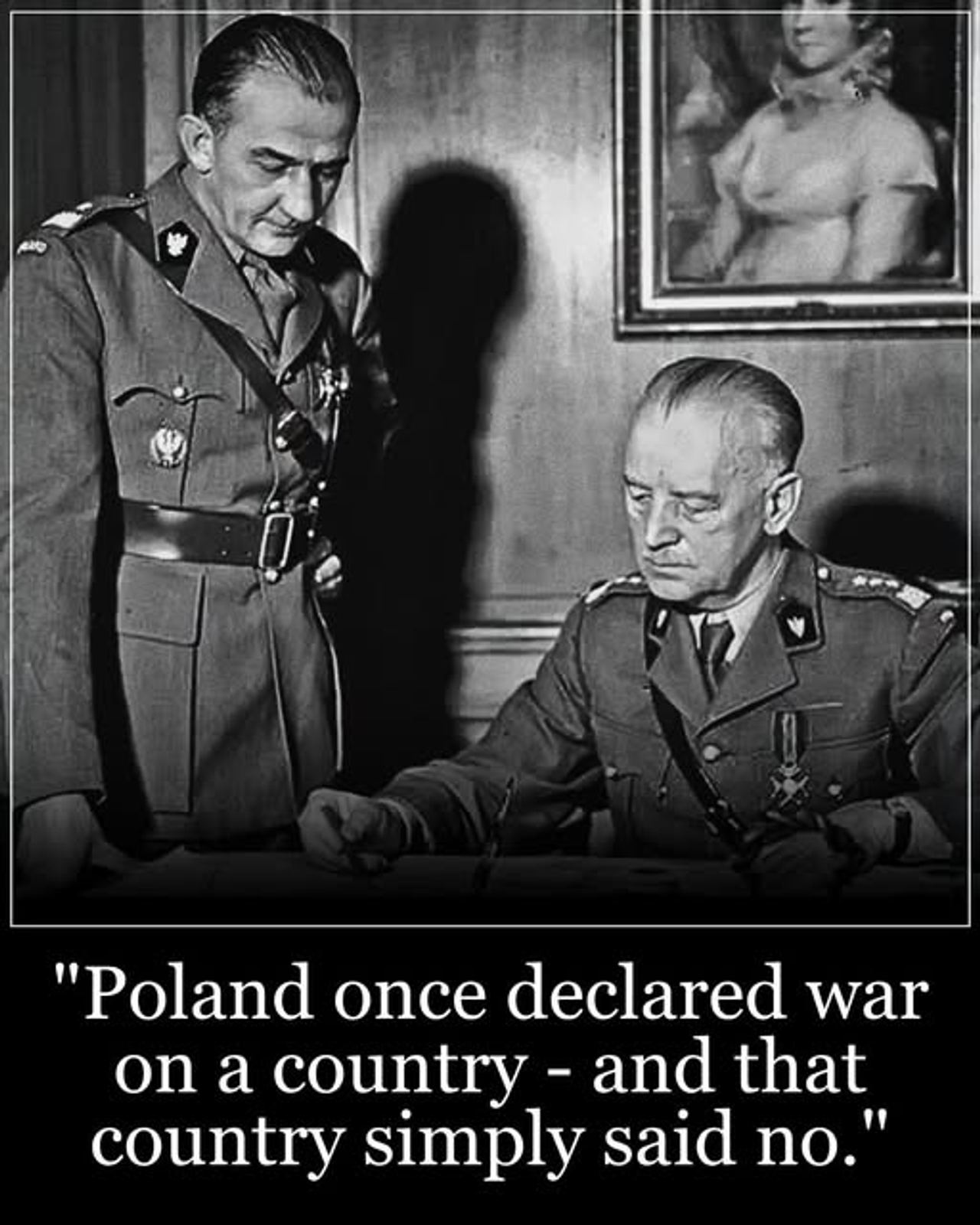
“In the chaos that followed December 7, 1941, when Japanese bombers to
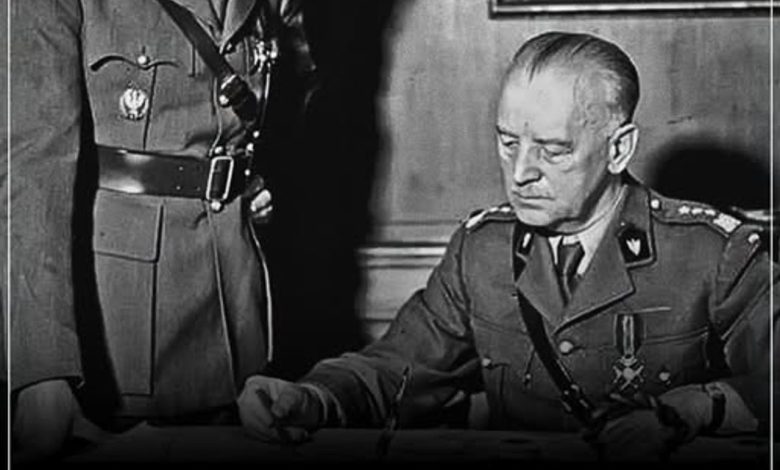
“In the chaos that followed December 7, 1941, when Japanese bombers tore through the calm of a Sunday morning at Pearl Harbor, the world tipped fully into global war. Within days, nation after nation lined up behind the Allied cause, formally declaring war on Japan in solidarity with the United States and Britain. Among them was a government with almost nothing left to lose — and almost nothing left to fight with. The Polish government-in-exile, operating out of London since Nazi Germany and the Soviet Union had carved up their homeland in 1939, had no army stationed in the Pacific, no navy capable of crossing an ocean, and no territory of its own left to defend. And yet, on December 11, 1941, following Britain’s lead, Poland formally declared war on Japan. It was, by any practical measure, a war that could never be fought. Poland had no ships, no planes, and no way to project force anywhere near Japan. The declaration was less about strategy and more about identity — a statement that even a nation stripped of its land and government still stood with its allies. What happened next made history stranger still. Japan didn’t retaliate. It didn’t mobilize. It barely reacted at all. Japanese Prime Minister Hideki Tojo dismissed the declaration outright, remarking that Poland was only taking this step because of pressure from Britain — not out of any real hostility toward Japan. In effect, Japan treated the declaration as if it had never been made. This wasn’t entirely surprising. In the years before the war, Poland and Japan had shared a quietly cooperative relationship. It stretched back decades — to the early 1900s, when Polish independence activists worked alongside Japanese intelligence, sharing information as both nations found themselves wary of the same rival power to the east. That old, practical goodwill lingered even as the two countries were pulled into opposing global alliances. Remarkably, Poland’s embassy in Tokyo continued operating normally for months after the invasion of Poland — only closing in late 1941 under pressure from Germany, not from Japan itself. So a strange kind of standoff took hold: two nations technically at war, yet acting as though they weren’t. No battles were fought. No shots were exchanged between them. On paper, hostilities existed. In practice, life went on. Most wartime declarations end with a treaty, a surrender, or a handshake once the fighting stops. This one didn’t end when the guns fell silent in 1945 — because no w