Johnny Cash Sang a Song He Barely Knew at San Quentin — and It Became a Country Music Classic
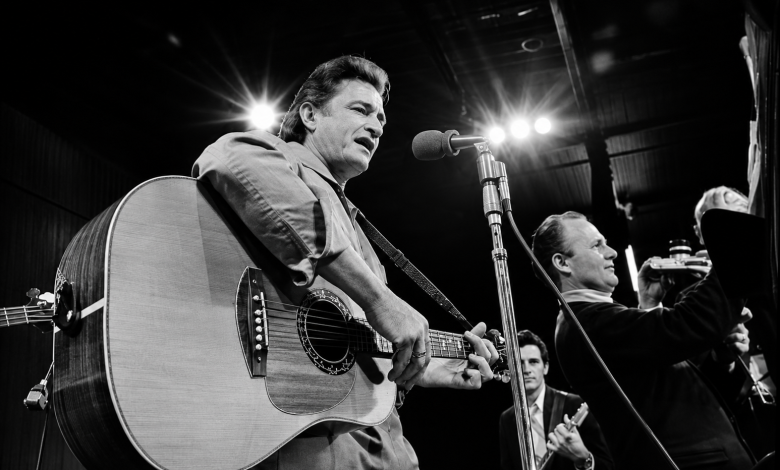
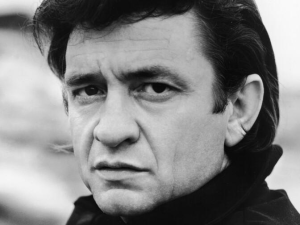
On February 24, 1969, Johnny Cash stood before a crowd of prisoners at San Quentin State Prison in California. He had already performed behind prison walls before, but this concert was about to deliver something unexpected. Among the songs he brought with him was a strange, funny story called A Boy Named Sue. Cash had barely had time to learn it, and he would have to keep the words in front of him as he performed. What happened next became one of the best-loved moments in country music history.
A Song That Almost Stayed Off the Setlist
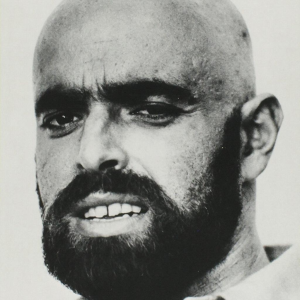
The song did not begin with Johnny Cash. Its writer was Shel Silverstein, a poet, cartoonist, humorist, and songwriter with a gift for turning unusual ideas into memorable stories. Silverstein had introduced the number to Cash and his wife, June Carter Cash, before the trip to California. June believed it was worth bringing along. Cash later recalled that he had looked over the words only a couple of times, so he kept the lyrics close instead of relying on memory.
That uncertainty is part of the performance’s charm. Rather than waiting to perfect the song in a studio, Cash tried it in front of an audience that responded to every twist. The musicians accompanying him helped bring it to life in the moment. Cash had built his reputation on a commanding baritone and serious story songs, but this performance gave him a chance to reveal his playful side.
Why the Story Made People Laugh
A Boy Named Sue follows a young man who grows up angry with the father who left him. The father gave him a name that made childhood especially difficult, and the boy spends years fighting back against the ridicule it brings. As an adult, he sets out to find his father and demand an explanation. The encounter turns into a wild confrontation before the story reaches its unexpected emotional conclusion.
The song works because it is more than a simple joke. Beneath its exaggerated characters and comic timing lies a recognizable mixture of resentment, pride, and the desire to be understood by a parent. Cash does not need elaborate production to sell the story. His conversational delivery lets listeners follow the plot, anticipate the next turn, and share the surprise when the ending arrives.
The Prison Concert That Captured It All
San Quentin was an especially powerful setting for Cash. The previous year, his live album At Folsom Prison had helped reshape his career and showed how directly he could connect with audiences behind bars. At San Quentin continued that chapter. A recording team captured the concert for At San Quentin, with Bob Johnston as producer, while a crew from Britain’s Granada Television filmed it for a documentary. The surviving footage means audiences can still see the performance, not merely hear the famous recording.
Cash was not alone onstage. Musicians associated with his touring shows, including Carl Perkins, helped provide the accompaniment, and members of the Carter Family and the Statler Brothers were part of the wider concert lineup. But when A Boy Named Sue began, the central attraction was simple: a singer, a sheet of lyrics, a story, and an audience ready to react.
A Spontaneous Performance Becomes a Huge Hit
As Cash delivered Silverstein’s tale, laughter rose from the prison audience. The pauses, his expressions, and the reactions in the room gave the live version its own rhythm. The result sounded less like a rehearsed studio recording and more like Cash sharing a story directly with the audience. That spontaneity gave the recording its unmistakable character.
After the release of A Boy Named Sue in 1969, listeners far beyond country radio embraced it. It climbed to No. 1 on Billboard’s country songs chart and spent three weeks at No. 2 on the Billboard Hot 100, becoming Cash’s biggest pop-chart hit. The At San Quentin album was also a major success, and the song earned Shel Silverstein a Grammy for Best Country Song. It was a remarkable result for a piece Cash had performed while reading its words from a stand.
Why Fans Still Return to This Moment
Fans remember many Johnny Cash recordings for their gravity, compassion, or rebellious spirit. A Boy Named Sue has some of those qualities too, but it adds something immediately inviting: humor. Cash gives the characters personality without overwhelming the lyrics, and he lets the audience’s laughter become part of the experience. For listeners who grew up with his music, it is a reminder that his talent extended far beyond solemn ballads.
More than half a century later, this performance offers something a polished modern production cannot recreate: the feeling of being in the room when an unexpected song catches fire. The grainy television footage, the applause, and Cash’s confident storytelling make it easy to see why the moment has lasted. It offers more than a memorable recording; it captures a remarkable moment in live country music history.
Watch Johnny Cash Perform A Boy Named Sue at San Quentin (1969)