One of the happiest songs of the 1960s was quietly asking a question that millions are still trying to answer. Discover the story behind this unforgettable classic.

The Pop Classic That Quietly Questioned the American Dream
Some songs sound bright enough to make you smile instantly, yet hide questions that grow louder with every passing year.
Pleasant Valley Sunday is one of those rare recordings, wrapping thoughtful observations inside a melody so irresistible that many listeners never notice its deeper meaning until decades later.
From the opening guitar, the record bursts with sunshine, energy, and the carefree spirit that defined much of the late 1960s.
Everything about its sound suggests an ordinary weekend filled with laughter, neighborhood streets, and familiar routines.
Yet beneath that cheerful surface lies a surprisingly sharp portrait of modern life.
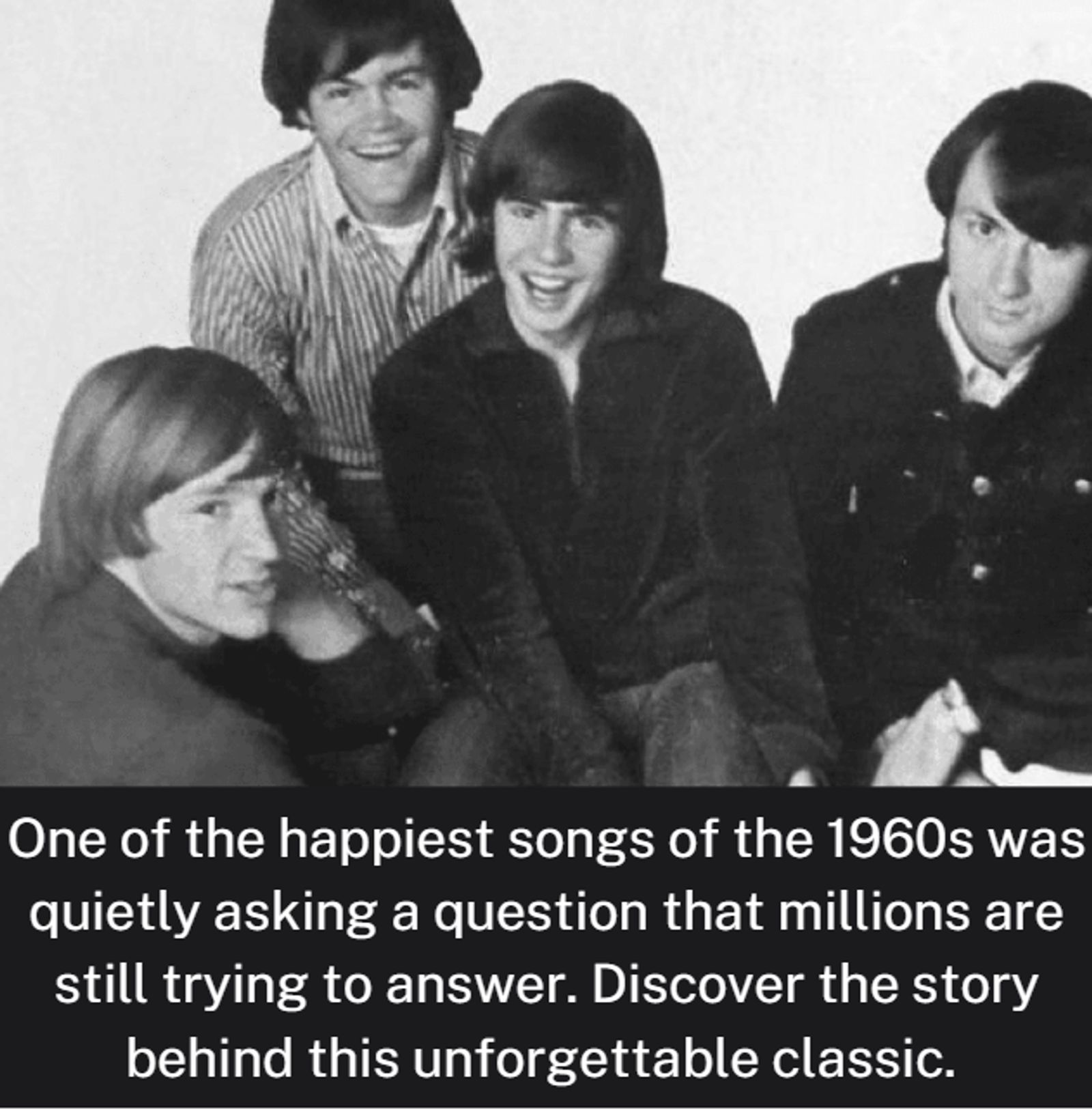
Released in 1967, the song arrived during a decade filled with dramatic cultural change, when many Americans were beginning to question ideas that had once seemed permanent.
Written by the legendary songwriting team of Gerry Goffin and Carole King, the lyrics drew inspiration from suburban neighborhoods that looked perfect from the outside.
Perfect lawns, matching houses, and carefully planned streets became symbols of something far more complicated than simple success.
The song quietly asks whether comfort always brings happiness.
It never answers directly because the question itself is more powerful than any conclusion.
The Monkees delivered those ideas with remarkable charm rather than heavy-handed criticism.
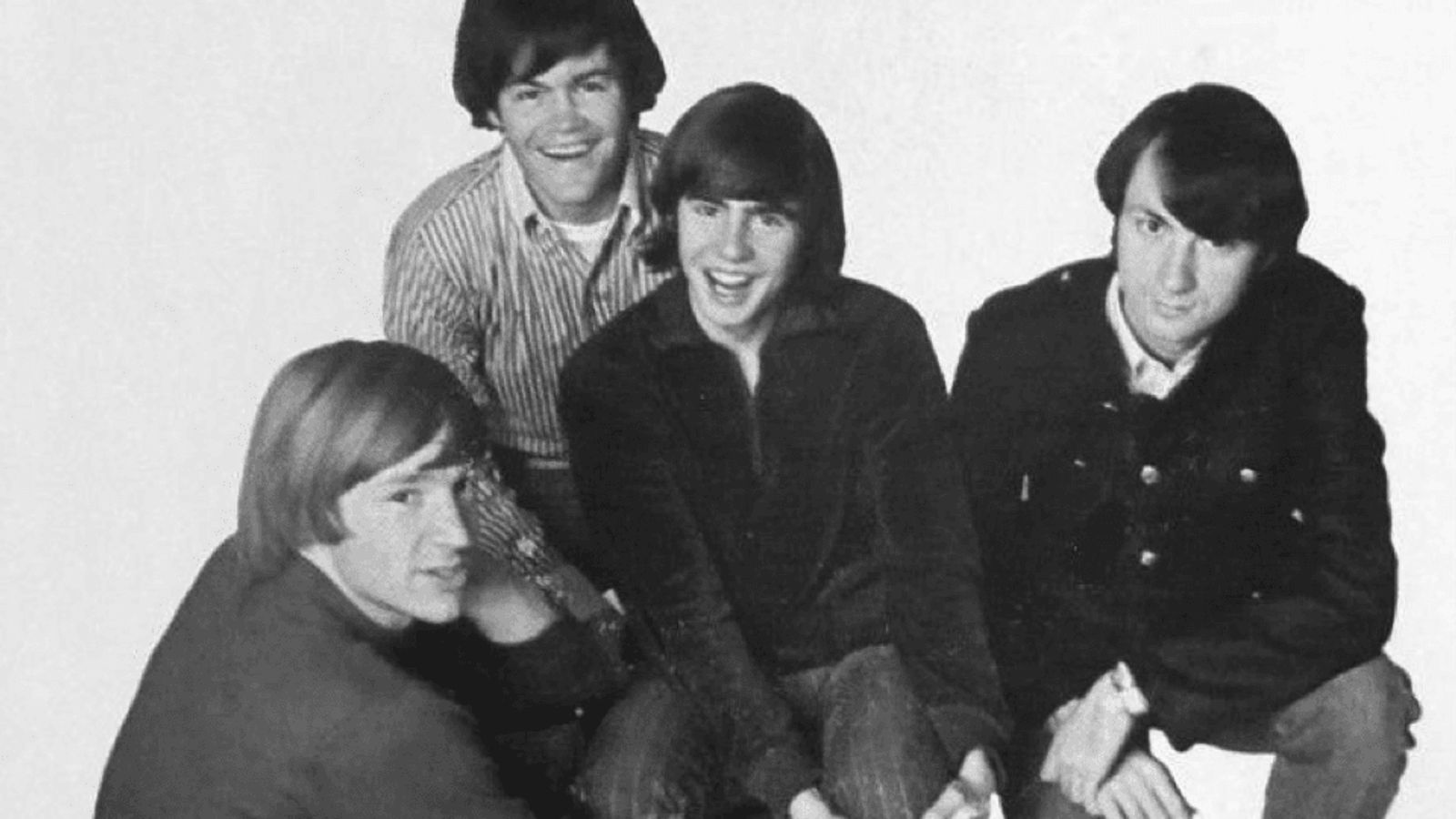
Micky Dolenz’s energetic vocal keeps everything playful, allowing listeners to enjoy the music even while reflecting on its message.
His performance never sounds cynical.
Instead, it feels curious, almost amused by the strange routines that quietly shape everyday life.
That balance became one of the recording’s greatest strengths.
It criticizes without condemning and observes without pretending to possess every answer.
The band surrounds those lyrics with one of the most memorable arrangements of their career.
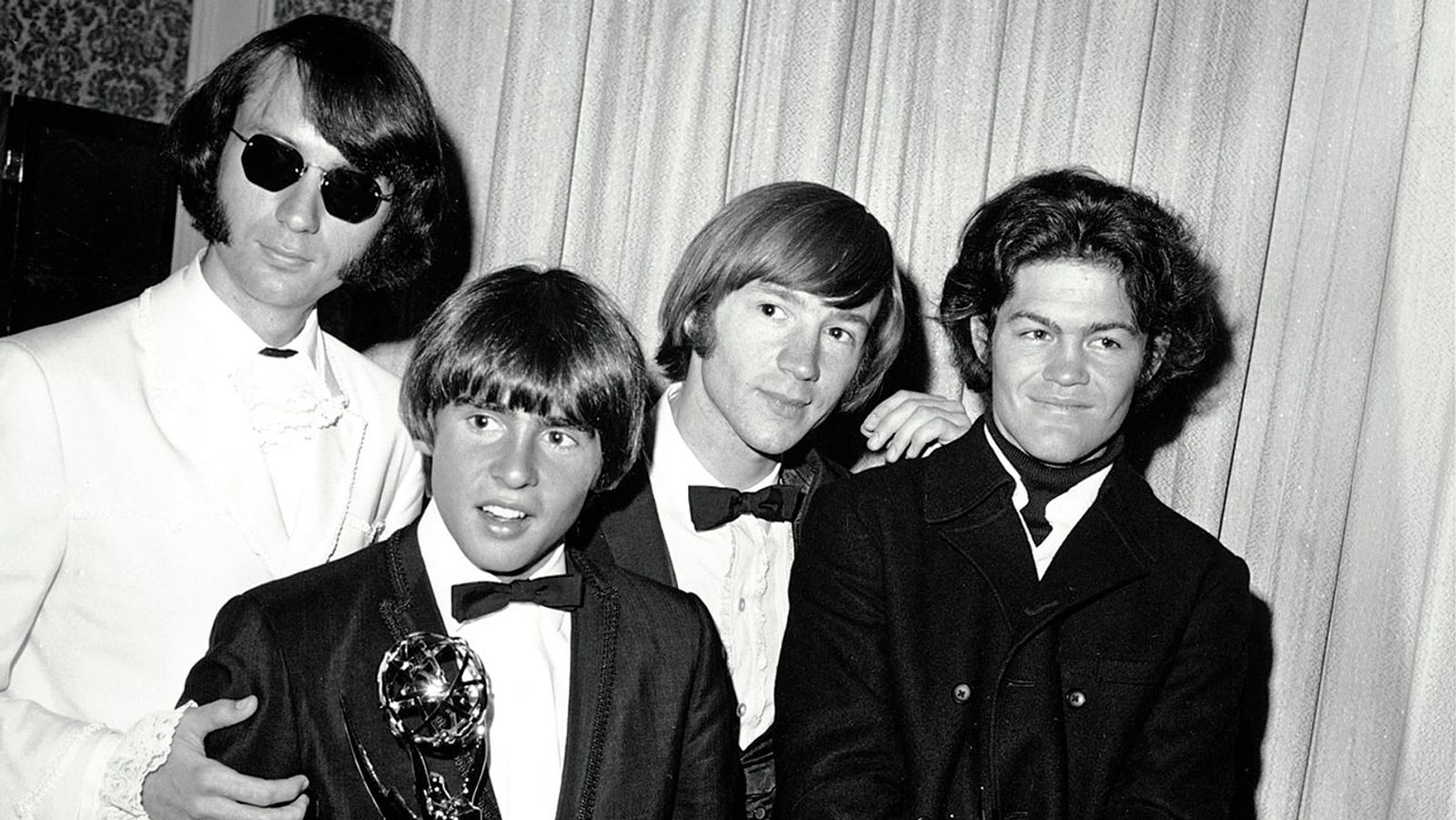
Bright guitars, driving drums, and soaring harmonies create a sound that feels both joyful and restless at the same time.
The music moves forward with irresistible momentum.
It captures the feeling of a sunny afternoon while hinting that something beneath the surface refuses to stay perfectly still.
That emotional contrast gives the recording remarkable depth.
Many pop songs from the era focused almost entirely on romance.
Pleasant Valley Sunday looked instead at the ordinary world people built around themselves.
It found fascinating stories hiding inside everyday neighborhoods that most people passed without a second thought.
That perspective helped the song stand apart from countless radio hits of its time.
It celebrated catchy melodies while inviting listeners to think a little more carefully about the lives they were creating.
Perhaps that quiet intelligence explains why the song continues finding new audiences today.
Its questions about routine, appearance, and personal fulfillment feel surprisingly modern.
Technology may have transformed daily life, but the search for genuine happiness remains remarkably familiar.

The song reminds us that bigger houses and busier schedules have never guaranteed greater peace of mind.
That message resonates just as strongly now as it did nearly sixty years ago.
The Monkees themselves often faced misunderstandings during their remarkable career.
Many critics initially dismissed them as a manufactured television group rather than serious musicians.
Over time, however, both audiences and historians came to appreciate the genuine talent, personality, and musical legacy they left behind.
Pleasant Valley Sunday became one of the clearest examples of that artistic growth.
It proved the band could entertain millions while quietly exploring ideas that reached far beyond ordinary pop music.
Every new listen seems to reveal another thoughtful detail hidden beneath its infectious melody.
Young listeners often hear excitement and youthful energy.
Older listeners begin recognizing the gentle commentary about ambition, routine, and the quiet pressure to appear successful.
That ability to grow alongside its audience is one of the defining qualities of timeless music.
The song never changes, yet somehow its meaning evolves with every stage of life.
As the final chorus fades, the melody leaves behind more than simple nostalgia.
It encourages reflection without sacrificing joy.
Read more stories
- Released in 1971, this cheerful pop hit sounded bright and carefree on the surface… But hidden inside the lyrics was a surprisingly sad story most listeners never noticed.
- Shelley Winters: A Voice That Refused to Be Silenced
- Ed Harris’s Journey from Frustration to Acceptance in Dutton Ranch
- The Last Ride: John Wayne’s Moving Farewell in The Shootist