One unexpected vocal intro turned an old forgotten melody into one of the biggest hits of its generation.
There are songs that become famous, and then there are songs that somehow become part of the night itself, forever echoing beneath quiet skies and glowing stars.
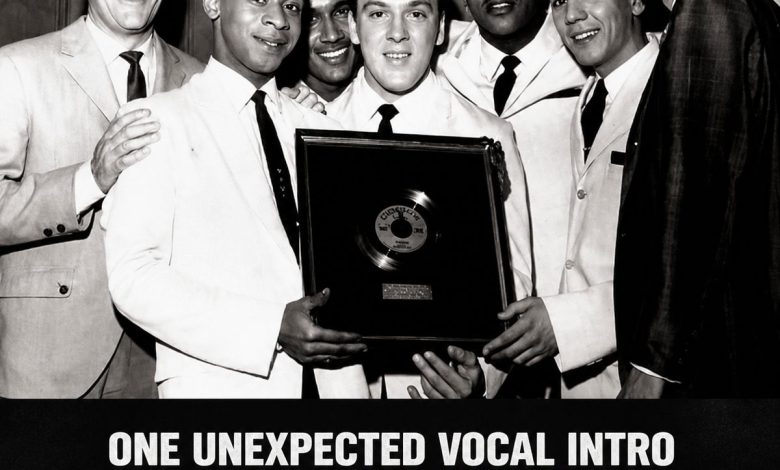
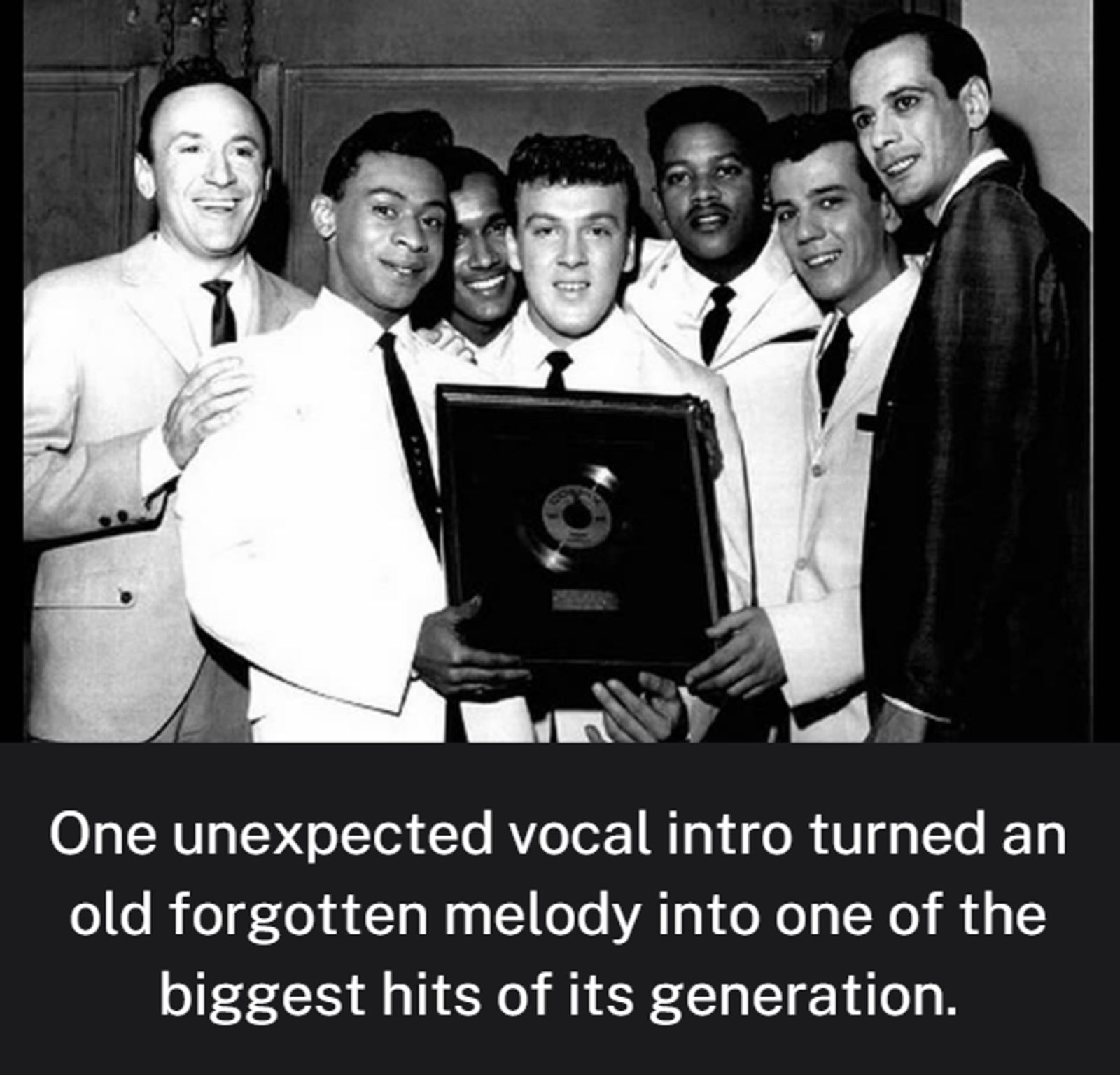
Before rock and roll had fully found its stride, “Blue Moon” by The Marcels arrived in 1961 like a joyful surprise that no one saw coming.
It began with a playful “bomp-baba-bomp,” a sound so unexpected that listeners instantly knew they were hearing something completely different from anything on the radio.
What followed was not merely another doo-wop record but a fearless reinvention of a beloved standard that had already lived several musical lives.
Originally written decades earlier by Richard Rodgers and Lorenz Hart, “Blue Moon” had been performed by elegant crooners and orchestras long before The Marcels ever touched it.
Most people expected the song to remain a romantic classic wrapped in soft strings and polished sophistication.
Instead, five young men from Pittsburgh transformed it into something energetic, youthful, and impossible to ignore without sacrificing the melody that made it timeless.
That bold decision could easily have failed, yet it became one of the greatest musical surprises of the early 1960s.
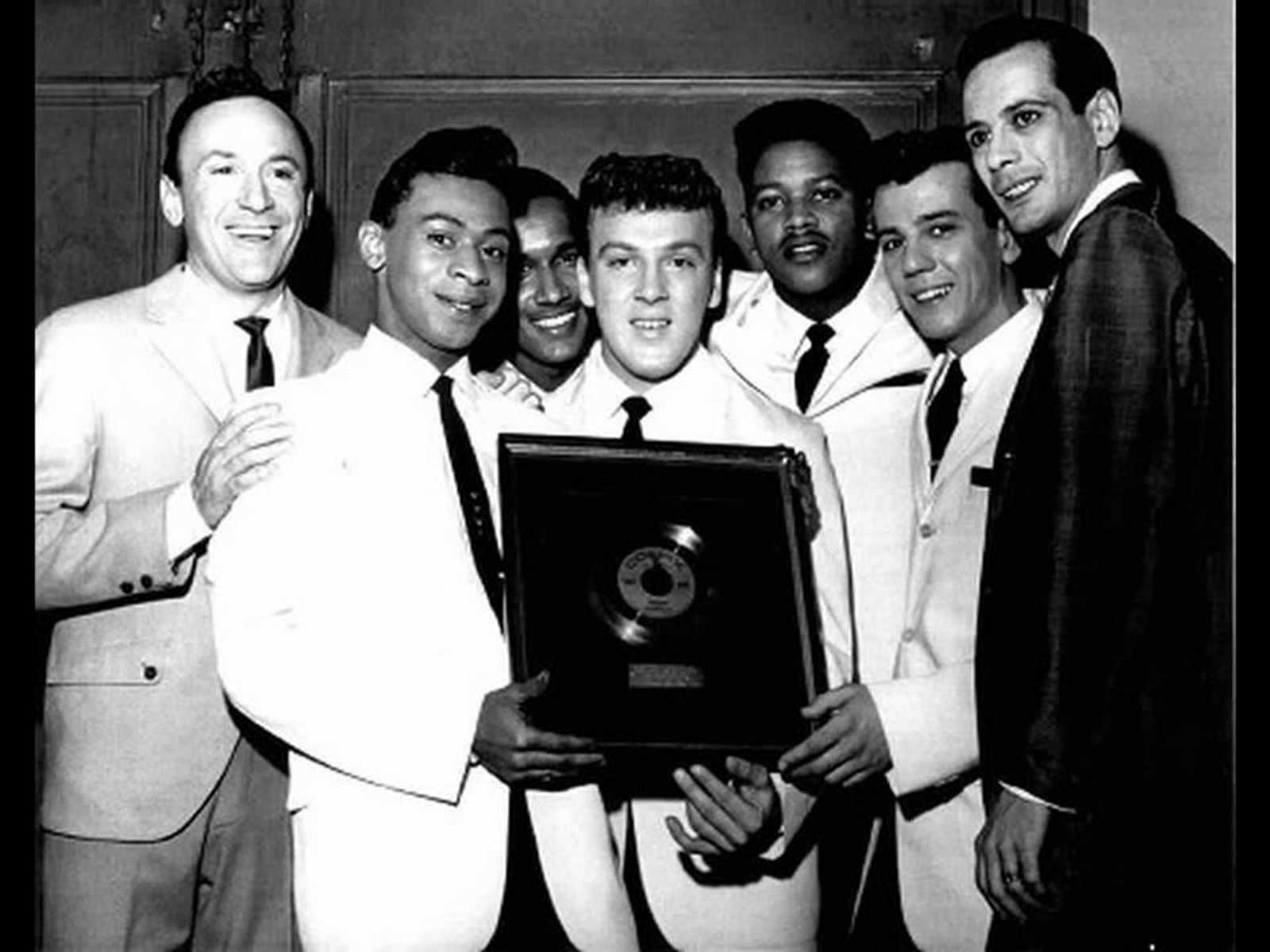
The opening vocal phrase exploded with confidence, breaking every expectation before gently settling into the familiar lyrics audiences already loved.
Listeners who had grown up with earlier versions suddenly discovered that an old song could feel completely new again.
Teenagers embraced its infectious rhythm while older generations recognized the melody they had cherished for years.
Few recordings have ever managed to unite two generations with such effortless charm.
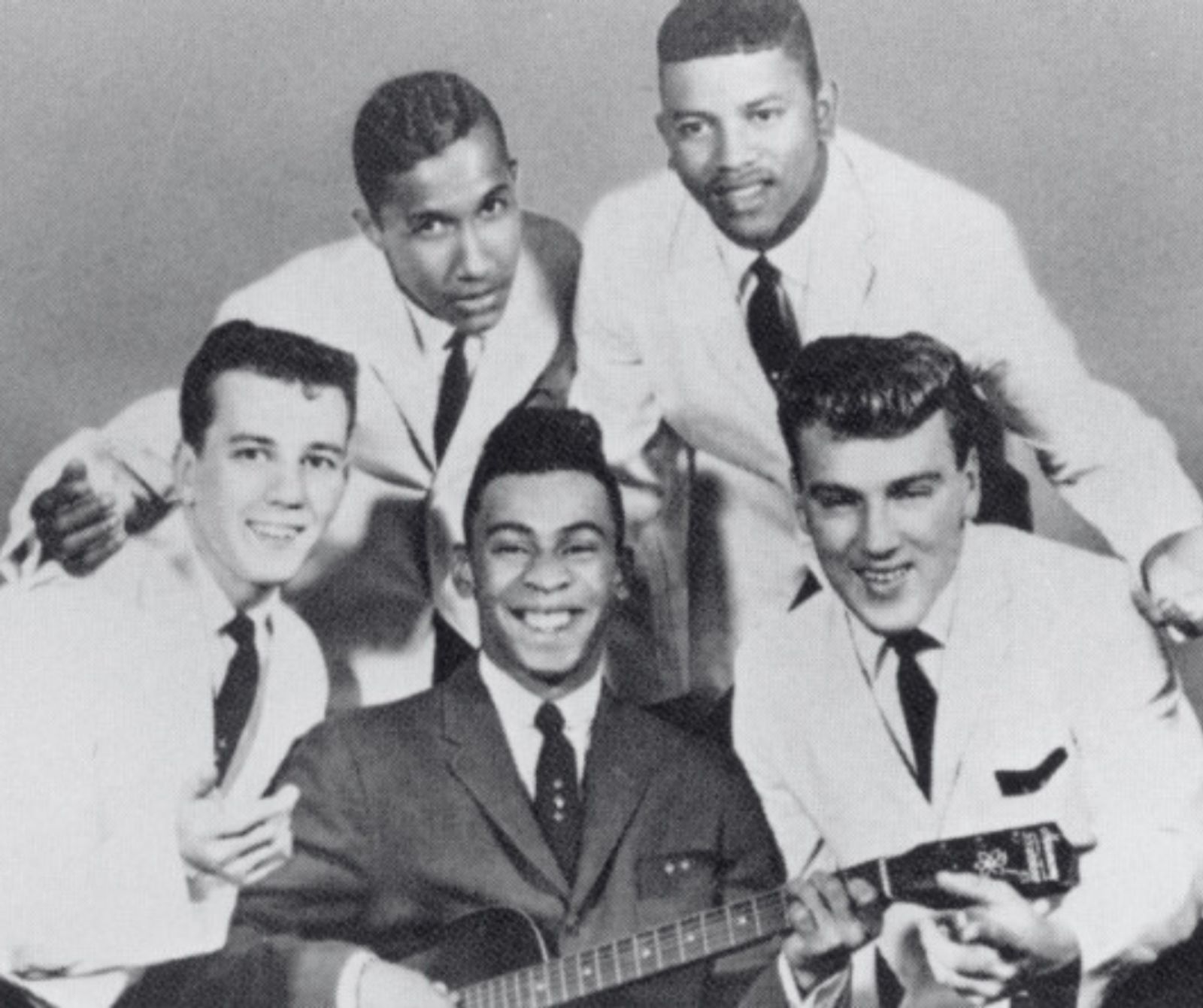
The Marcels proved that respect for tradition did not require copying the past note for note.
Their harmonies carried the warmth of classic doo-wop while adding a playful spirit that felt fresh and spontaneous.
Every voice had its place, weaving together into a sound that felt simple on the surface yet remarkably polished underneath.
Nothing seemed forced, and perhaps that natural joy became the secret ingredient listeners still hear today.
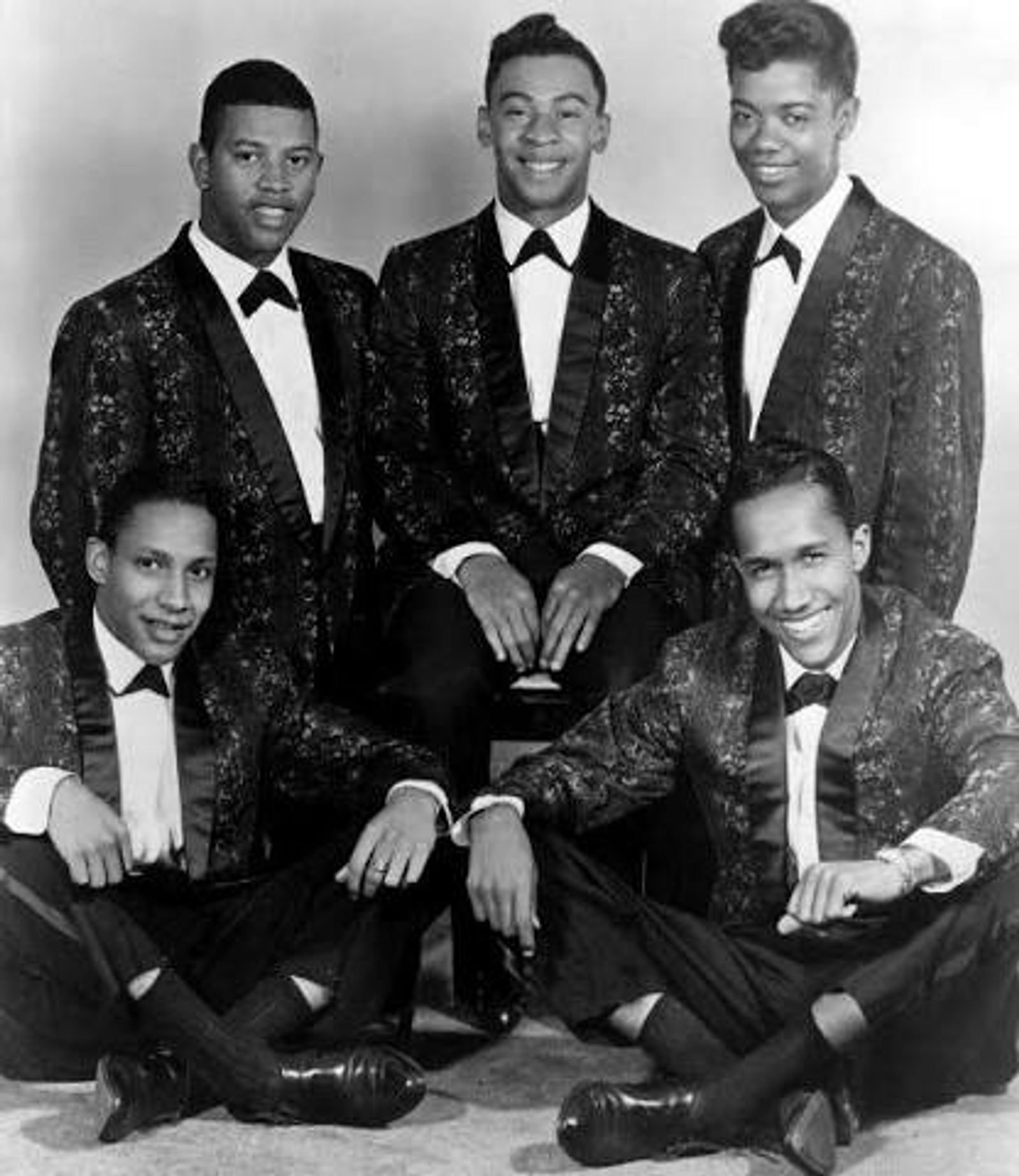
The recording itself was astonishingly quick, capturing an energy that many carefully planned studio sessions never achieve.
Sometimes history belongs to artists who refuse to overthink the moment and simply trust their instincts.
Within weeks, “Blue Moon” climbed the charts and became an international sensation almost overnight.
Radio stations played it constantly, jukeboxes rarely sat silent, and dance floors welcomed its irresistible rhythm.
Its success reminded the music industry that great songs never truly grow old because every generation hears them through fresh ears.
For many listeners, the record became forever connected with first dances, summer evenings, and teenage dreams that still feel close despite the passing decades.
Even now, hearing those opening syllables instantly transports countless people back to moments they thought time had quietly carried away.
That remarkable emotional connection explains why nostalgia often begins with a single familiar sound instead of an entire memory.

The Marcels did more than perform a hit record because they reshaped how older American standards could survive in a rapidly changing musical world.
Without abandoning its romantic heart, they dressed “Blue Moon” in the exciting colors of early rock and roll.
That balance between respect and innovation gave the recording a personality unlike any version before or after it.
Many artists have covered “Blue Moon,” yet few interpretations carry the same playful confidence that The Marcels achieved.

Their performance never sounds trapped inside 1961 because genuine enthusiasm rarely grows outdated.
Perhaps that explains why younger listeners continue discovering the song through films, playlists, and family record collections.
Parents introduce it to children, grandparents smile at the opening notes, and another generation quietly falls in love with its timeless charm.
Music historians often describe certain recordings as cultural bridges, connecting different eras without losing their original spirit.
“Blue Moon” by The Marcels stands proudly among those rare bridges.
It reminds us that musical history is not preserved inside museums but inside songs people continue singing together.
Every replay becomes another conversation between yesterday and today.
The recording still feels wonderfully alive because it refuses to take itself too seriously while remaining deeply sincere.
That combination of humor, romance, innocence, and unforgettable harmony gives it a lasting magic that technology can never replace.
Long after musical trends fade and charts are forgotten, a handful of songs continue shining with quiet certainty.
Read more stories
- Released in 1971, this cheerful pop hit sounded bright and carefree on the surface… But hidden inside the lyrics was a surprisingly sad story most listeners never noticed.
- Shelley Winters: A Voice That Refused to Be Silenced
- Ed Harris’s Journey from Frustration to Acceptance in Dutton Ranch
- The Last Ride: John Wayne’s Moving Farewell in The Shootist