Released in the late 1960s, this gentle melody once echoed through pubs, friendships, and dreams that felt endless. Decades later, it still asks the same quiet question: when did those days slip away… and why do we miss them so much?
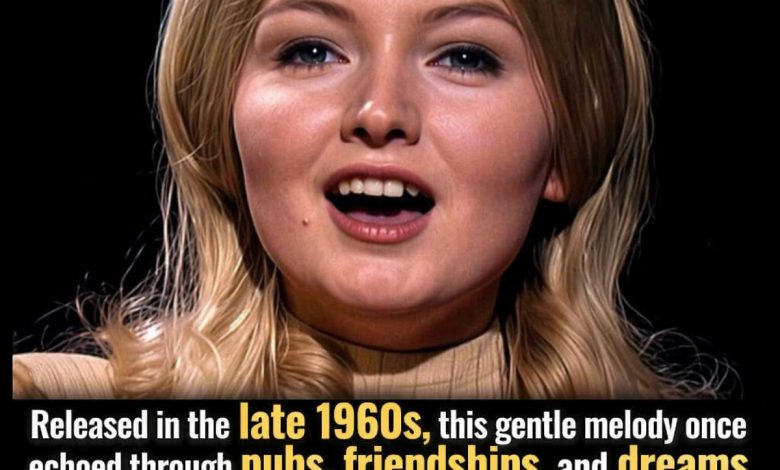
When Mary Hopkin released “Those Were the Days” in 1968, few could have imagined that a gentle, nostalgic ballad sung by a 17-year-old Welsh girl would become one of the most emotionally enduring songs of the 20th century.
In an era dominated by psychedelic rock, political unrest, and rapidly changing youth culture, “Those Were the Days” stood apart.
It did not shout for attention.
Instead, it whispered memories—of youth, friendship, love, and the quiet heartbreak of time passing.
That softness is precisely what made it unforgettable.
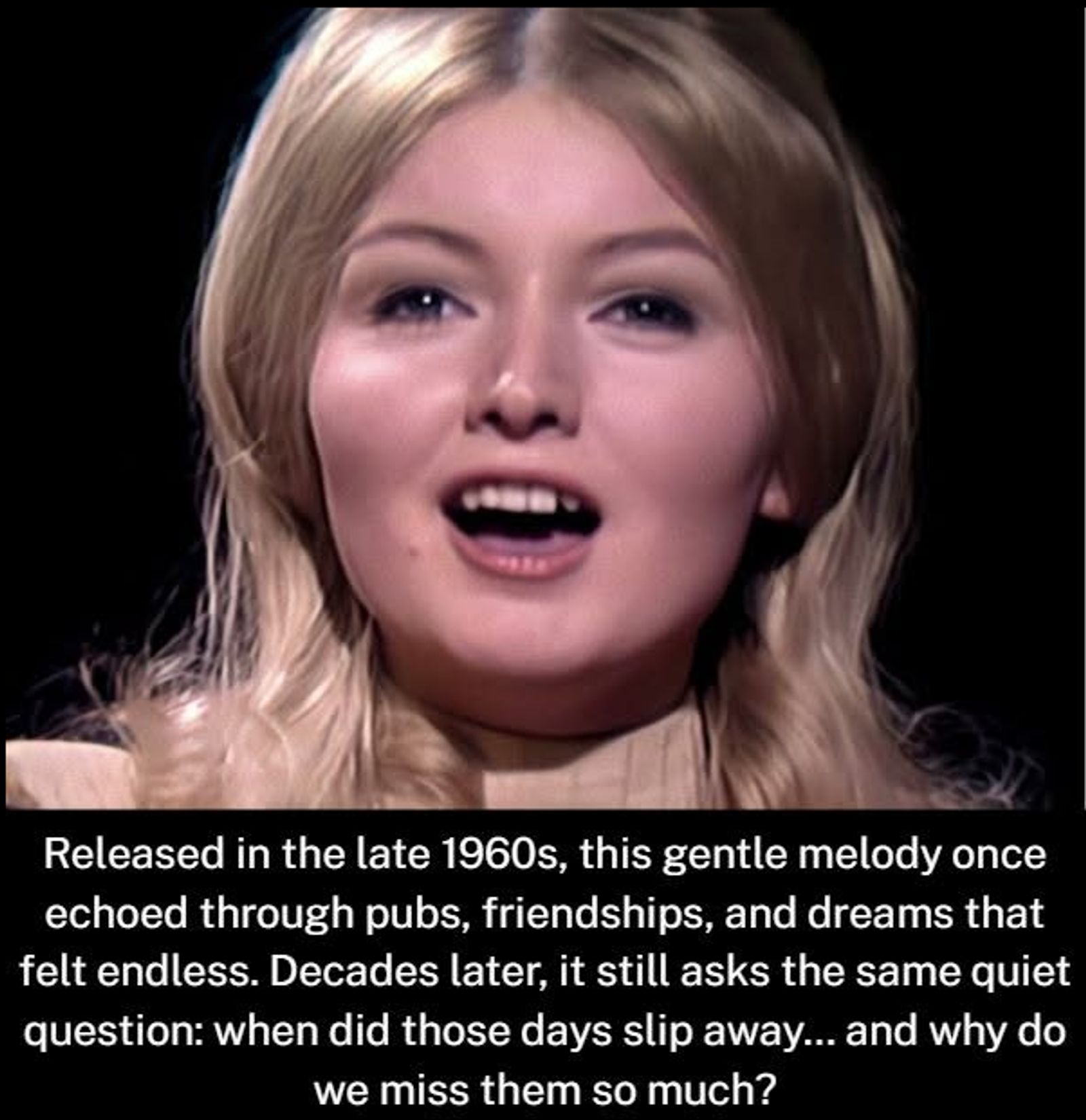
Mary Hopkin’s rise to fame was almost accidental, yet perfectly timed.
Born in Pontardawe, Wales, she grew up immersed in traditional folk music, singing in Welsh and English from a young age.
Her life changed when a homemade recording of her singing appeared on the British television talent show Opportunity Knocks.
Among the viewers was Paul McCartney, who was in the process of launching Apple Records, The Beatles’ new label.
Struck by the purity and emotional honesty of her voice, McCartney personally signed Hopkin, making her one of Apple Records’ very first artists.
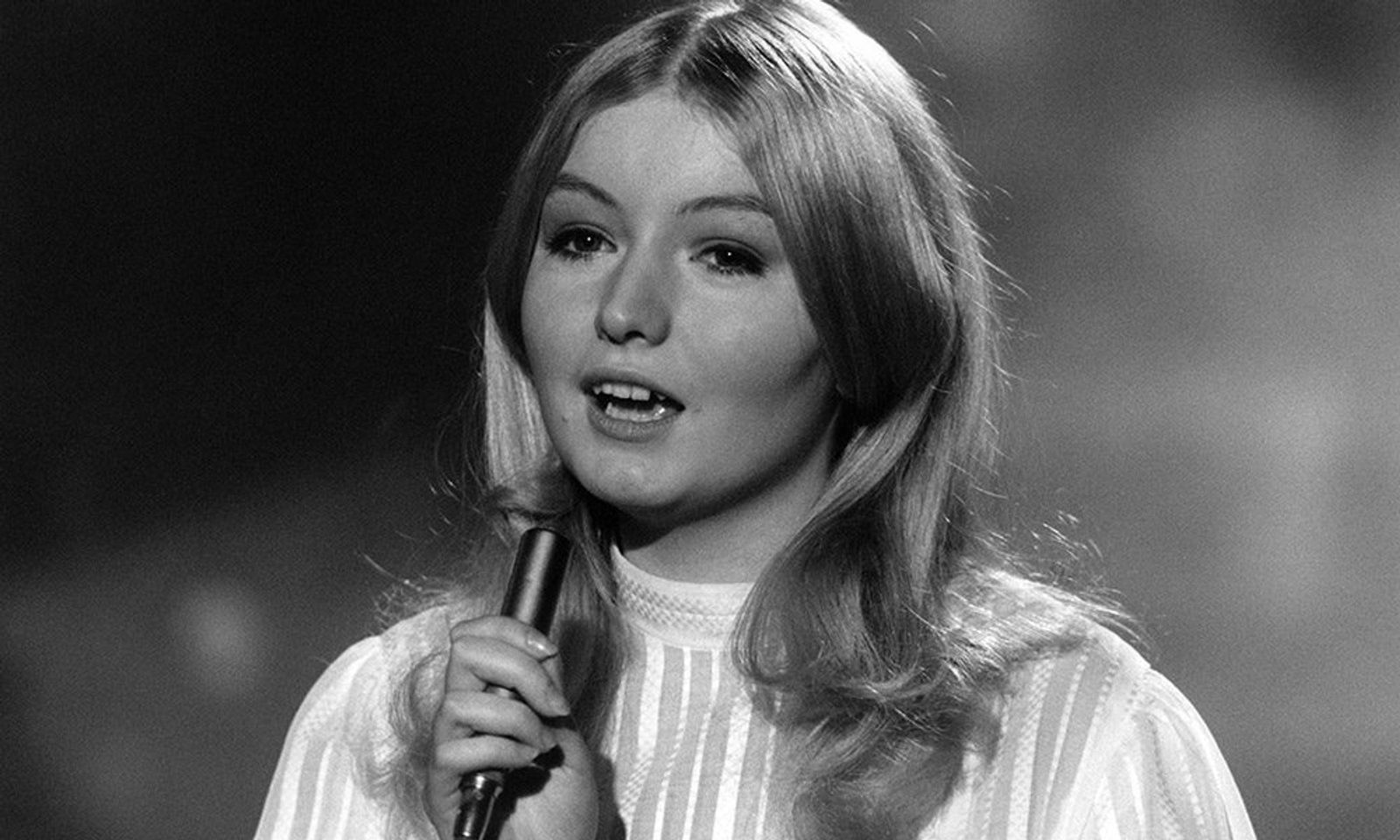
“Those Were the Days” was chosen as her debut single, and it was anything but a typical pop song.
Adapted from a Russian romance song titled “Dorogoi Dlinnoyu”, the track was produced by Paul McCartney himself.
Rather than modernizing it, he leaned into its old-world charm, building the arrangement around acoustic guitar, brass flourishes, and a sweeping, almost pub-like chorus.
The result felt timeless—like a song that had always existed, waiting to be rediscovered.
Lyrically, “Those Were the Days” is deceptively simple.
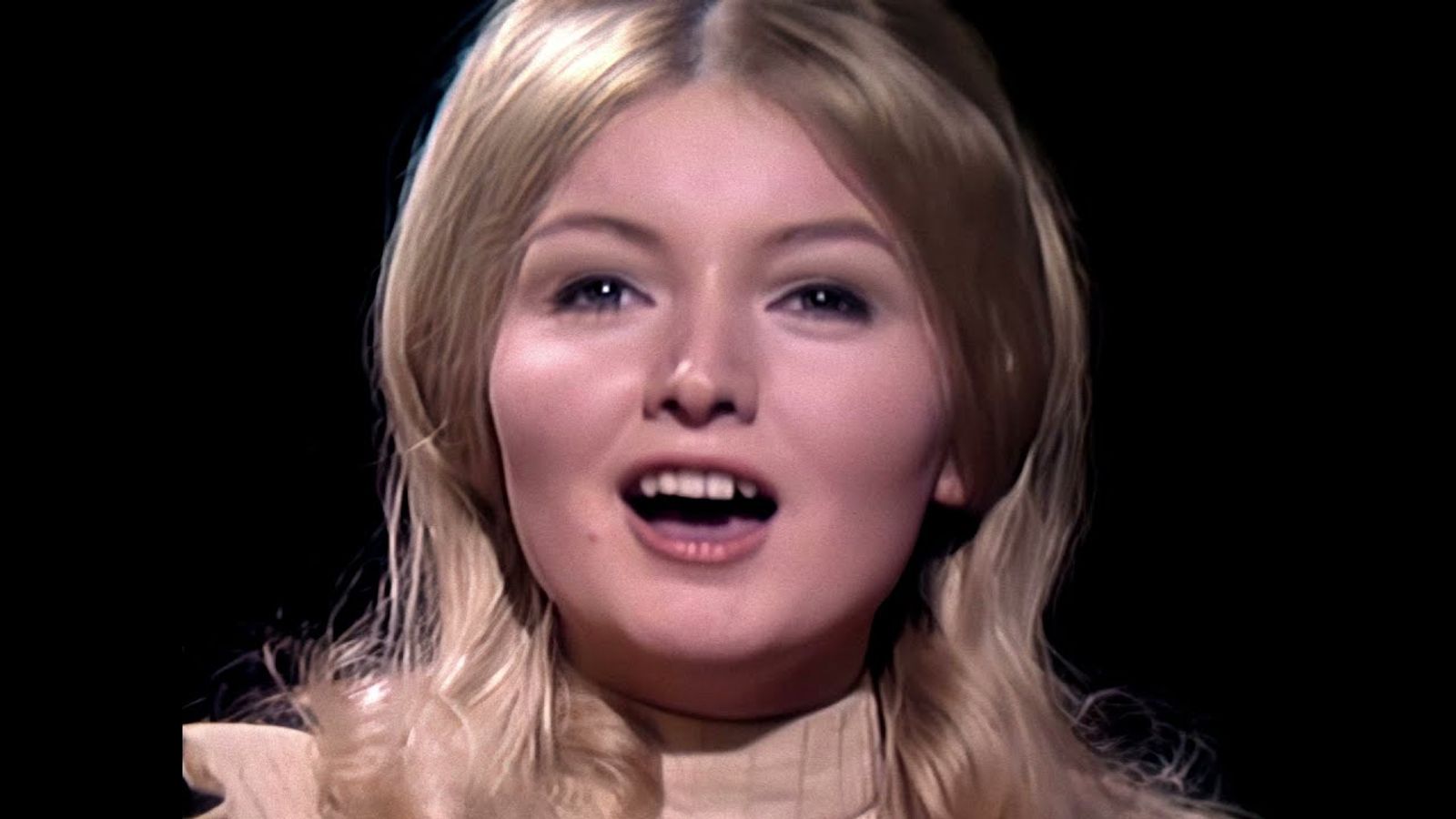
It tells the story of youthful optimism, when life felt endless and dreams seemed inevitable, followed by the quiet realization that time has moved on.
There is no bitterness in the song, only acceptance.
Lines about friends, laughter, and promises made “forever” resonate because they mirror universal experience.
Everyone, at some point, looks back and wonders how time slipped away so gently—and so cruelly.
What makes the song truly powerful is Mary Hopkin’s voice.
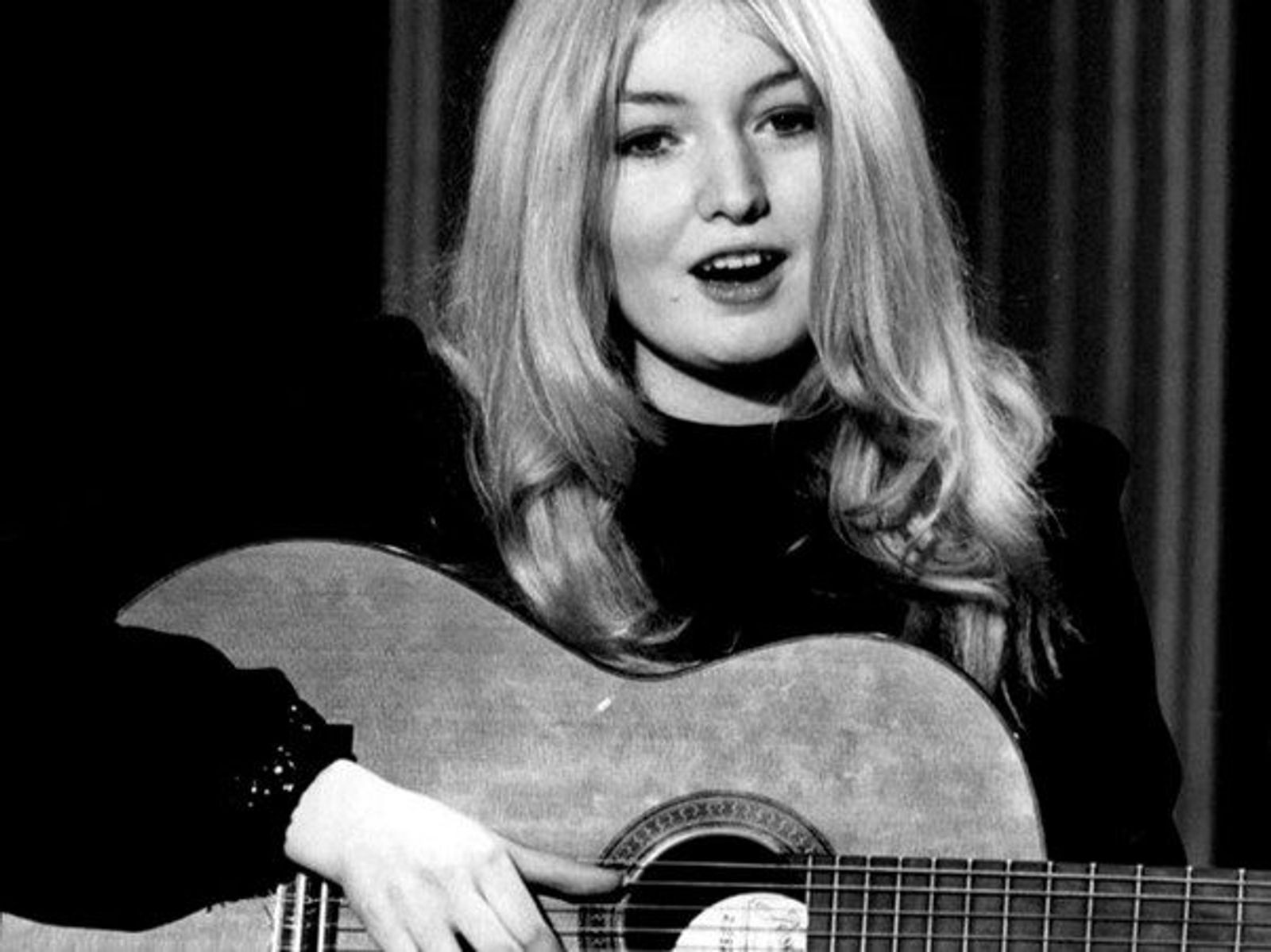
She does not perform it with dramatic flair or vocal gymnastics.
Instead, she sings with restraint, warmth, and sincerity.
Her delivery feels personal, almost conversational, as if she is sharing a memory rather than performing for an audience.
That emotional authenticity allows listeners to project their own pasts into the song, making it deeply personal no matter when—or where—you first hear it.
Upon its release, “Those Were the Days” became an immediate global sensation.
It reached No. 1 in the UK, topped charts in multiple countries, and climbed to No. 2 on the Billboard Hot 100 in the United States.
That achievement was extraordinary for a debut single.
More remarkably, the song resonated across generations.
Older listeners heard echoes of their youth.
Younger audiences felt an unexpected nostalgia for moments they had barely lived yet.
Culturally, the song arrived at a poignant moment.
The late 1960s were a time of upheaval, protest, and transformation.
While much of popular music reflected rebellion and experimentation, “Those Were the Days” offered reflection instead of revolution.
It became a reminder that even as society races forward, something precious is always being left behind.
That quiet emotional counterpoint helped the song stand out—and endure.
Over the decades, “Those Were the Days” has been covered and reinterpreted by countless artists in multiple languages.
These versions ranged from folk to orchestral arrangements.
Yet no version quite captures the innocence and emotional clarity of Mary Hopkin’s original recording.
Her youth gave the song an added layer of poignancy.
The irony of someone so young singing about memories already fading only deepened its emotional impact.
For Mary Hopkin, the song was both a blessing and a burden.
Though she continued to record and perform, she often stepped away from the spotlight.
She chose family and artistic independence over relentless fame.
Still, “Those Were the Days” followed her everywhere.
It became her signature and secured her place in music history.
Today, more than five decades later, the song feels as relevant as ever.
In a fast-moving digital world filled with constant noise, “Those Were the Days” invites listeners to slow down and remember.
It reminds us not just of specific moments, but of the feeling of believing the future would last forever.
It shows us that joy is often recognized only in hindsight.
Memory itself becomes a kind of melody we carry for life.
In the end, “Those Were the Days” is not just a song about the past.
It is a mirror held up to every listener.
Read more stories
- Released in 1971, this cheerful pop hit sounded bright and carefree on the surface… But hidden inside the lyrics was a surprisingly sad story most listeners never noticed.
- Shelley Winters: A Voice That Refused to Be Silenced
- Ed Harris’s Journey from Frustration to Acceptance in Dutton Ranch
- The Last Ride: John Wayne’s Moving Farewell in The Shootist