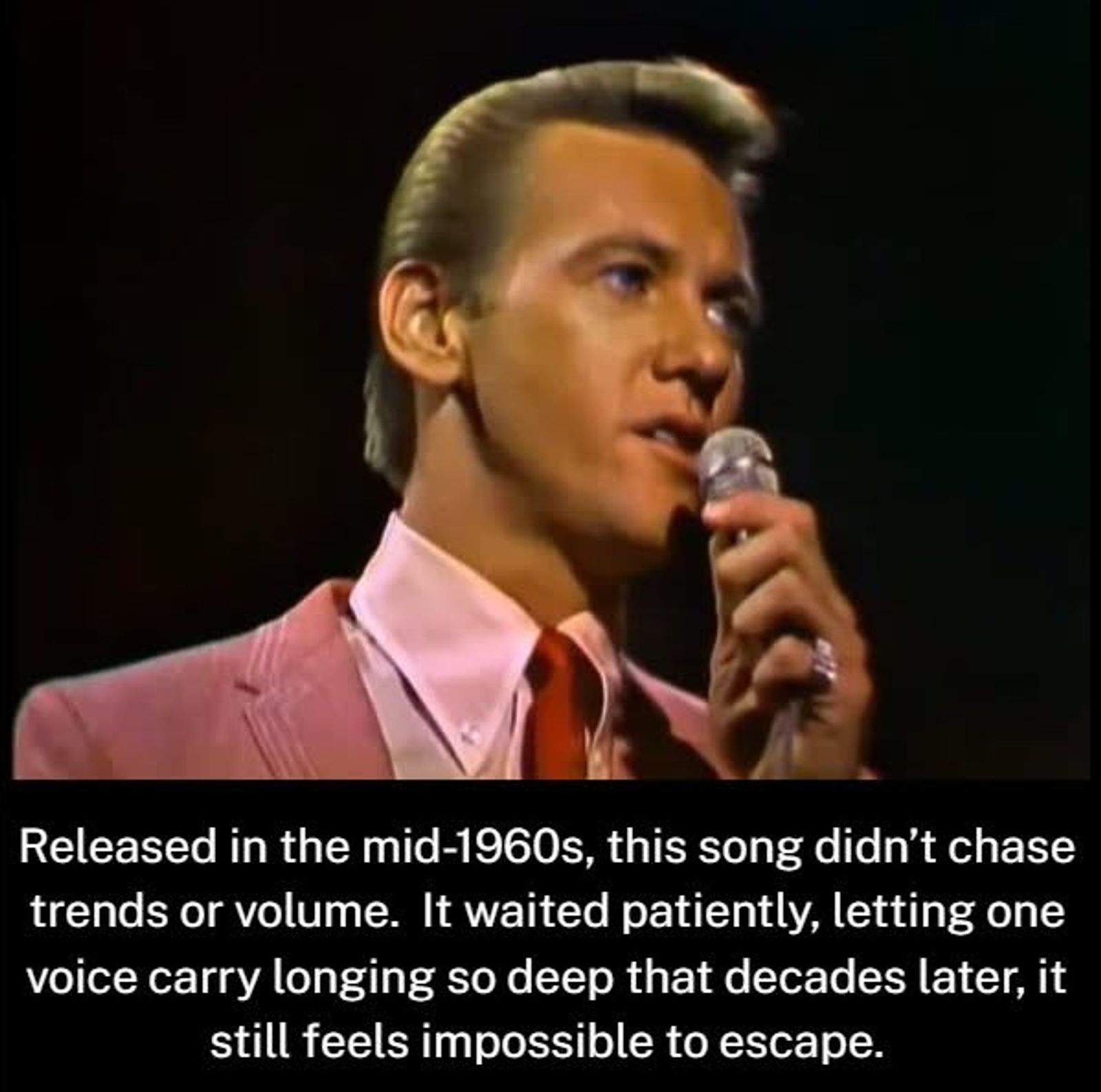
Released in the mid-1960s, this song didn’t chase trends or volume. It waited patiently, letting one voice carry longing so deep that decades later, it still feels impossible to escape.
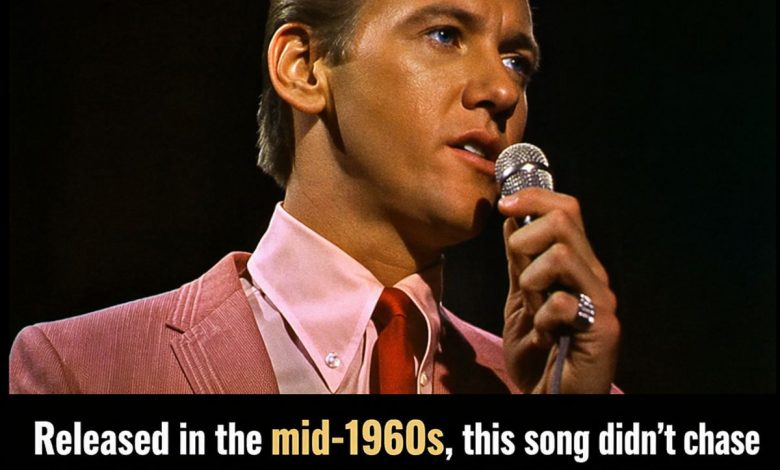
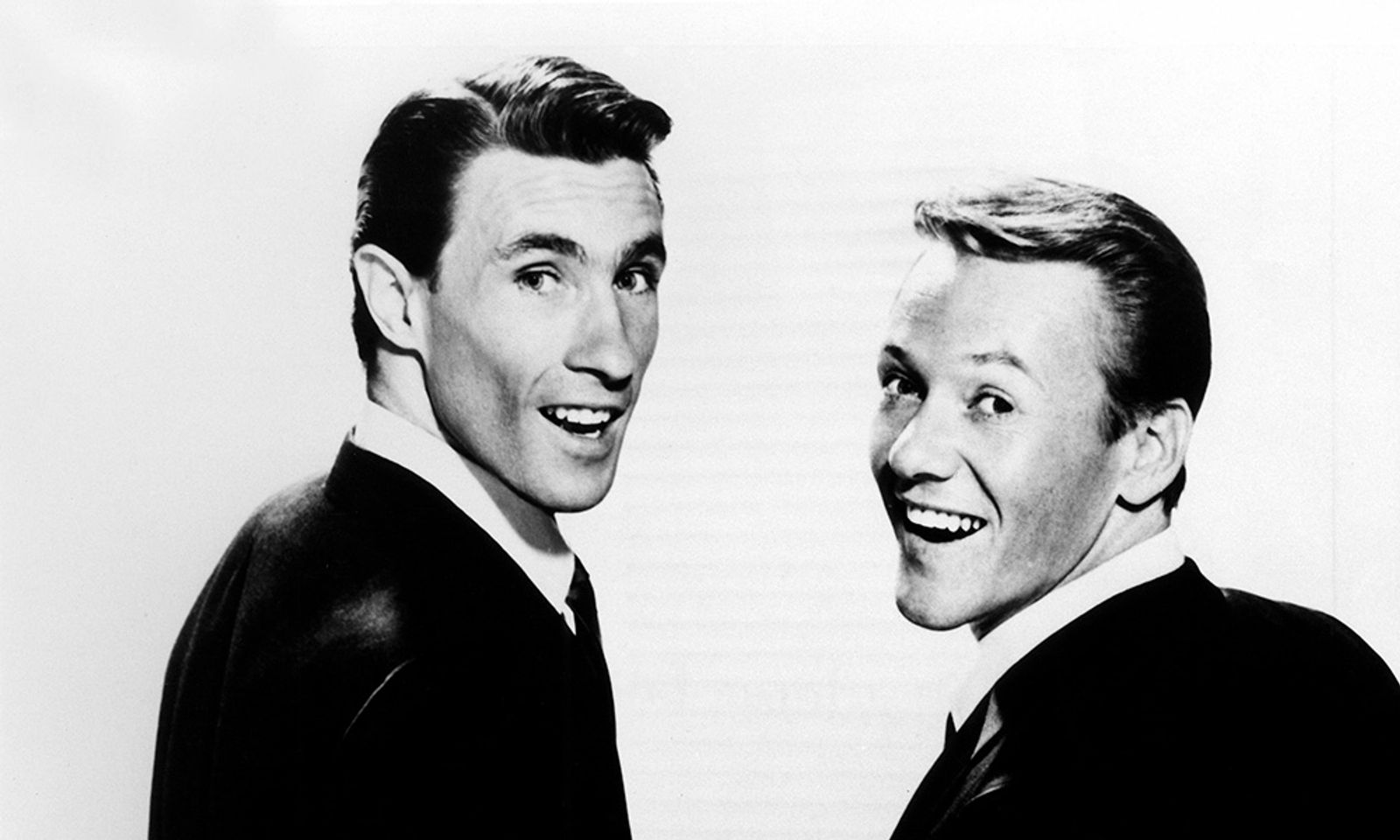
When The Righteous Brothers released their version of “Unchained Melody” in 1965, they transformed an already well-known song into something timeless and deeply human.
It wasn’t flashy or trendy, and it didn’t rely on studio tricks or youthful rebellion.
Instead, it leaned entirely on emotion — raw, aching, and sincere — and in doing so, it became one of the most enduring recordings in popular music history.
By the mid-1960s, The Righteous Brothers were already carving out a unique place in American music.
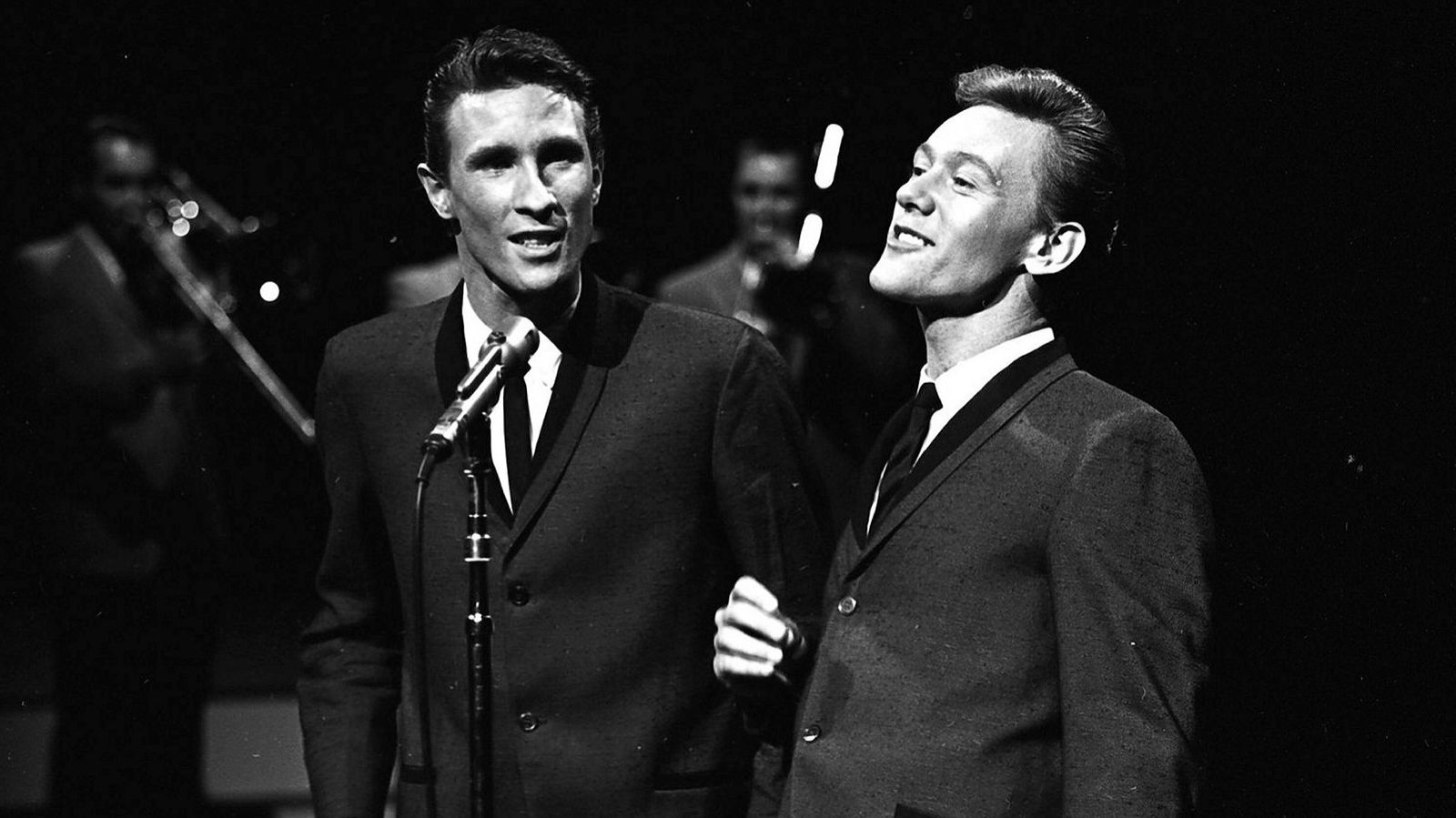
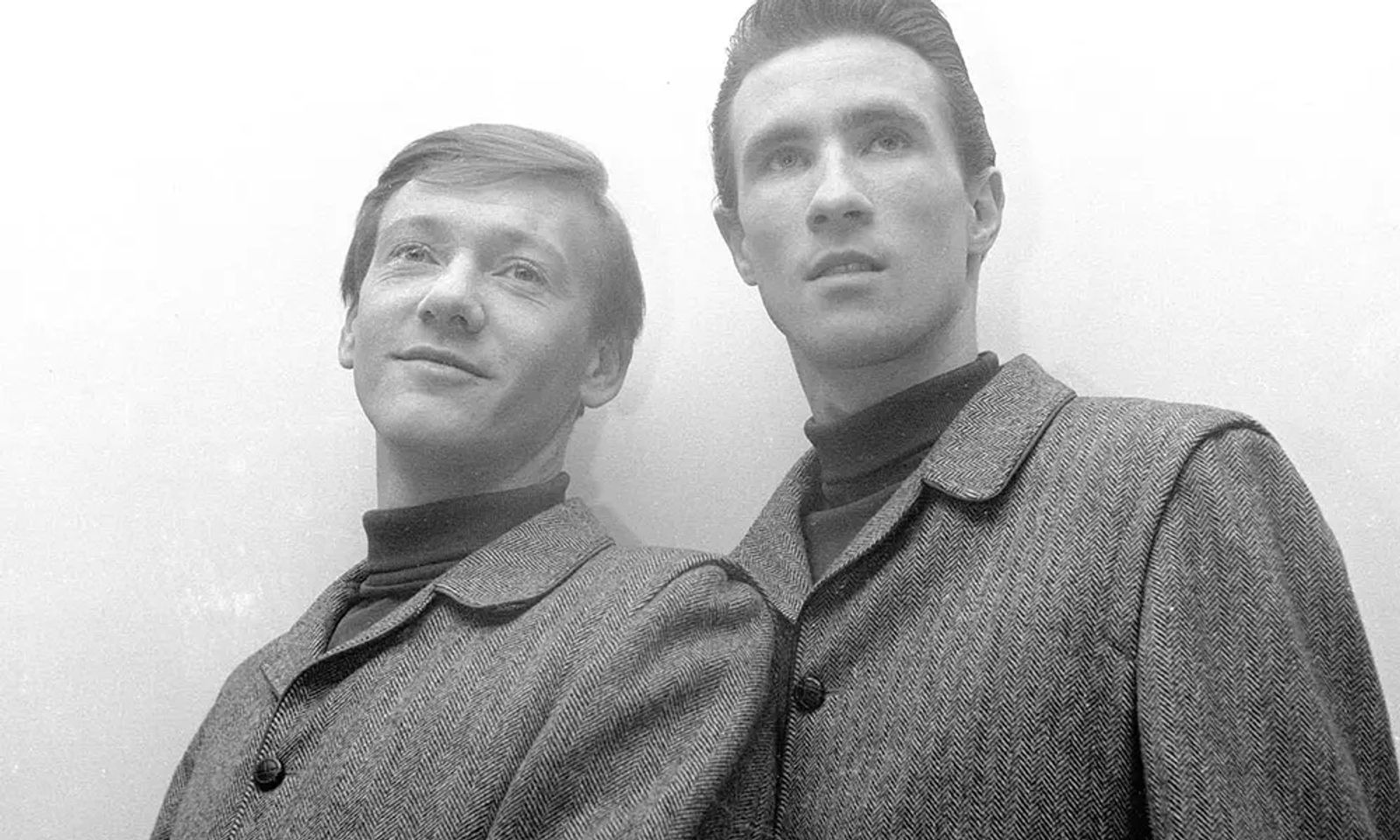
Bill Medley and Bobby Hatfield were often mistaken for a Black vocal duo because of the depth and soulfulness of their sound, a misconception that spoke volumes about their vocal power.
At a time when pop charts were increasingly dominated by British bands and high-energy rock, The Righteous Brothers stood apart by embracing vulnerability, drama, and classic vocal tradition.
“Unchained Melody” itself had a long history before reaching them.
Written in 1955 by Alex North and Hy Zaret for the prison film Unchained, the song had been recorded by numerous artists over the years.
But none had unlocked its full emotional potential.
Many earlier versions treated it as a gentle standard, a polite love song.
What The Righteous Brothers did was strip away restraint and let longing take center stage.
The decision to feature Bobby Hatfield alone on lead vocals was crucial.
His performance feels almost unguarded, as if the listener is overhearing a private confession rather than a studio recording.
Hatfield’s voice rises slowly, patiently, building tension with each line.
When he reaches the climactic “I need your love,” it doesn’t sound rehearsed — it sounds necessary.
That moment is often cited as one of the most powerful vocal peaks ever captured on tape.
The arrangement mirrors this emotional ascent.
Sparse instrumentation at the beginning leaves space for the voice to breathe, to ache.
As the song progresses, orchestral elements gradually swell, not to overpower the singer, but to lift him.
The production never distracts; it simply supports the feeling.
Silence, pacing, and restraint do as much work as the notes themselves.
What made this version especially striking was its contrast with the musical climate of the time.
In 1965, pop music was getting louder, faster, and more youth-driven.
Yet “Unchained Melody” slowed everything down.
It asked listeners to sit still, to feel longing without irony, to accept sincerity without defense.
Against all odds, it resonated.
Commercially, the song became a massive success, reaching the Top 5 on the Billboard Hot 100.
But its true legacy extended far beyond charts.
Over the decades, it has been rediscovered repeatedly, most notably after its prominent use in the 1990 film Ghost, which introduced the song to an entirely new generation.
Each resurgence confirmed the same truth: the emotion never faded.
What gives “Unchained Melody” its lasting power is not nostalgia, but universality.
The lyrics speak to waiting, separation, and the fear that time itself might pull love apart.
These are emotions that never belong to one era.
Hatfield’s voice carries that weight without exaggeration, making the song feel as relevant today as it did decades ago.
For The Righteous Brothers, the recording became a defining statement.
It showcased their belief that great pop music could still be grand, romantic, and emotionally fearless.
In an industry often chasing novelty, they created something permanent.
Decades later, “Unchained Melody” still feels almost unreal in its intensity.
It doesn’t rush.
It doesn’t wink at the listener.
It simply opens its heart and waits.
And that may be why it endures — because in a world that rarely slows down, it reminds us what it feels like to truly miss someone, and to say it without holding anything back.
Read more stories
- Released in 1971, this cheerful pop hit sounded bright and carefree on the surface… But hidden inside the lyrics was a surprisingly sad story most listeners never noticed.
- Shelley Winters: A Voice That Refused to Be Silenced
- Ed Harris’s Journey from Frustration to Acceptance in Dutton Ranch
- The Last Ride: John Wayne’s Moving Farewell in The Shootist