Stevie Wonder Almost Gave “Superstition” Away — Then He Turned It Into One of the Greatest Funk Songs Ever
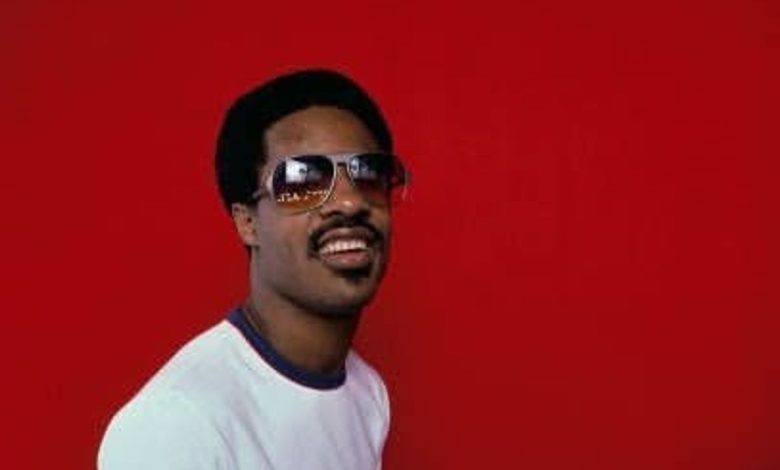
A song that almost belonged to someone else
In 1972, Stevie Wonder was creating what would become one of the most important albums of his career, Talking Book. Among its tracks was “Superstition,” a song with one of the most instantly recognizable grooves in popular music.
But the song’s story began with guitarist Jeff Beck.
Wonder had met Beck during the Talking Book sessions and agreed to give him a song to record. “Superstition” was originally intended for Beck, but delays meant Wonder’s own version was released first.
Stevie built the sound himself
Wonder didn’t simply sing the song.
He played the clavinet, drums and Moog bass, creating the powerful rhythmic foundation that made the recording so distinctive. The Clavinet riff became one of the defining sounds of the track and helped establish a completely new kind of funk sound.
Wonder later explained that the basic track came together quickly in the studio, beginning with drums and Clavinet before the melody and other parts were developed.
Then the song exploded
Released in 1972, “Superstition” became a No. 1 hit in the United States. It also earned Wonder two Grammy Awards and became one of the signature recordings of his classic period.
The song’s opening groove alone became instantly recognizable.
That combination of drums, Clavinet and Wonder’s vocals created a sound that was funky, aggressive and completely his own.
The song he almost gave away
Jeff Beck eventually recorded his own version, but Wonder’s recording had already become the hit.
What began as a song Wonder was willing to give another musician became one of the defining performances of his career.
More than five decades later, that opening riff remains unmistakable.
Listen to “Superstition”
▶️ YouTube: Stevie Wonder – Superstition
Continue reading
Ray Charles Ran Out of Songs on Stage—So He Improvised “What’d I Say” and Accidentally Created a Classic
A song that wasn’t supposed to exist
In 1958, Ray Charles was performing with his band at a dance in Pittsburgh when something unexpected happened: they were running out of songs before the show was supposed to end.
With roughly 10 or 12 minutes still left to fill, Charles sat at the piano and began improvising. He started with a simple riff, then began singing phrases and encouraging his backup singers to answer him.
The audience went wild.
What started as a way to fill the remaining minutes of a concert became “What’d I Say,” one of the most influential recordings of Charles’ career.
The crowd told him he had something
Charles noticed that audiences reacted differently whenever he performed the improvised number.
People danced. They shouted. They sang back.
He eventually called Atlantic Records and told them he had been performing something new on the road that audiences were “going wild” for. The label agreed to record it.
On February 18, 1959, Charles and his orchestra recorded the song at Atlantic’s New York studio.
A recording that sounded different
“What’d I Say” combined elements of rhythm and blues, gospel and jazz, while putting Charles’ electric piano at the center of the performance.
The call-and-response between Charles and the Raelettes became one of the recording’s defining characteristics.
But there was another problem.
The song was far longer than the typical radio single of the era, running more than seven minutes in its original form. Some of the suggestive vocal exchanges also made producers nervous.
So they split it in two
Atlantic eventually divided the recording into “What’d I Say Part I” and “What’d I Say Part II.”
The single was released in June 1959, and the unusual structure didn’t stop it from becoming a major success. It reached No. 6 on the Billboard pop chart and No. 1 on the R&B chart, becoming Charles’ first Top 10 pop hit.
The recording was later inducted into the Grammy Hall of Fame in 2000.
The mistake became the signature
The most remarkable part of the story is that Charles never sat down intending to write a major hit.
He needed to fill time.
That spontaneous decision created a song that audiences immediately understood, even though it sounded unlike almost anything else on the radio.
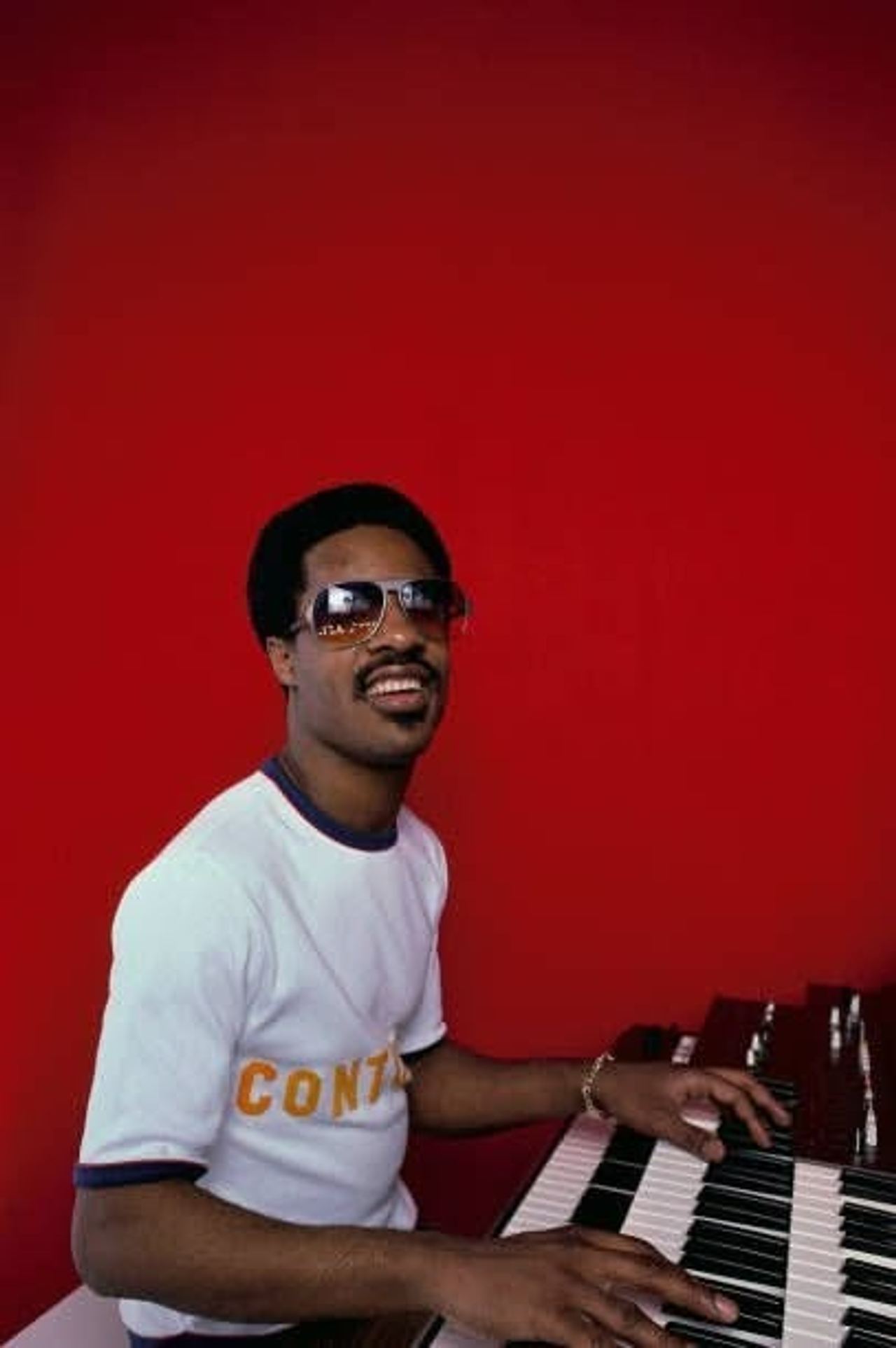
The song also became Charles’ closing number for decades, allowing him to recreate that same sense of audience participation night after night.
From an empty setlist to music history
“What’d I Say” captured something essential about Ray Charles.
He wasn’t interested in staying inside one musical category. He could draw from gospel, blues, jazz, R&B and pop and turn those influences into something entirely his own.
And sometimes, his greatest ideas came when there was no plan at all.
A nearly finished concert needed another ten minutes.
Ray Charles sat down at the piano.
The rest became history.
Listen to “What’d I Say”
[EMBED:
Hank Williams’ “Lovesick Blues” Wasn’t Even His Song—But One Performance Turned Him Into a Country Music Superstar
The song that changed everything
In 1949, Hank Williams was still building his reputation as a country performer when he recorded “Lovesick Blues,” a song that would completely change the direction of his career.
The song wasn’t originally written by Williams. It had been recorded by several artists before him, but Williams heard something in the song that allowed him to make it unmistakably his own.
A performance nobody expected
Williams recorded “Lovesick Blues” in 1949, bringing his distinctive voice and emotional delivery to the song.
The performance was built around a memorable yodeling refrain, giving the recording an unusual character that immediately separated it from the polished pop records dominating the charts at the time.
When the record was released, audiences responded almost immediately.
Sixteen weeks at No. 1
“Lovesick Blues” reached No. 1 on the country charts and stayed there for an extraordinary 16 weeks.
The recording ultimately sold millions of copies and transformed Williams, then only 26, from a regional performer into a national country music star.
The success was so overwhelming that it led to one of the most memorable debuts in Grand Ole Opry history.
The night the Opry couldn’t let him leave
On June 11, 1949, Williams performed “Lovesick Blues” at the Grand Ole Opry for the first time.
The audience reaction was extraordinary.
After he finished the song, the crowd demanded encore after encore. Williams ultimately performed the song six times, with the audience refusing to let the moment end.
That night confirmed that something special had happened.
Hank Williams was no longer simply another country singer.
The beginning of a legendary run
After “Lovesick Blues,” Williams began producing a remarkable series of songs that would define country music for generations.
Unlike his earliest successes, many of his later hits were songs he wrote himself, including “Cold, Cold Heart” and “Your Cheatin’ Heart.”
His songs combined heartbreak, loneliness, faith and everyday struggles in a way that felt remarkably direct.
He didn’t sound like he was simply performing someone else’s story.
He sounded like he had lived it.
A career that ended far too soon
Williams’ career was tragically short.
He died on January 1, 1953, at just 29 years old, but his influence continued to grow long after his death.
He became one of the first inductees into the Country Music Hall of Fame when it was established in 1961, alongside Jimmie Rodgers and his producer Fred Rose.
Yet when people remember Hank Williams, “Lovesick Blues” remains one of the recordings that immediately brings his voice back to life.
It was the song that transformed his career.
And that unforgettable yodel at the end helped make country music history.
Listen to “Lovesick Blues”
[EMBED:
Read more stories
- At 73, I Married the Man Who Once Broke My Heart – After His Funeral, I Learned Why He Asked Me to Marry Him
- Rotel Cream Cheese Sausage Balls
- A Lonely School Bus Driver Memorized Every Kid's Birthday – One Afternoon, the Entire Town Surprised Him
- Inside Christopher Meloni’s West Village Family Home Where His Daughter Held a Rave – Photos