The Final Interview He Gave Just One Week Before His Death
The world remembers the fire, the feedback, and the guitar that seemed capable of speaking in a new language. In his final recorded interview, however, Jimi Hendrix sounded less interested in spectacle than in being heard beyond it.
Journalist Keith Altham sat down with Hendrix in London on September 11, 1970. Seven days later, the guitarist was dead at 27. Nobody listening in that room knew the conversation would become his last interview.
Only five days earlier, Hendrix had played the Open Air Love and Peace Festival on the German island of Fehmarn. It would prove to be his final full concert. By the time he spoke with Altham, years of relentless touring, business pressure, and public expectation had compressed into a remarkably short career.
The surviving conversation is striking because Hendrix is still funny. He imagines an absurd home where he could roll from bed into an indoor swimming pool, then undercuts the fantasy with a joke about living in a tent above a mountain stream.
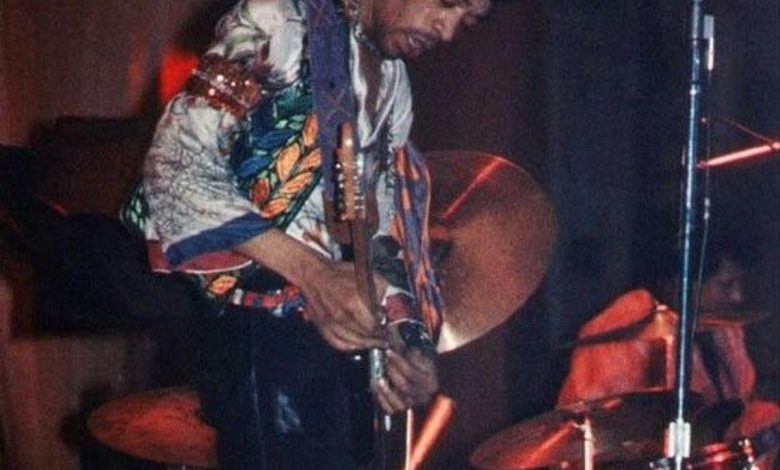
Jimi Hendrix performing in San Bernardino, California, on June 20, 1970. Photographer unknown, via Wikimedia Commons. Public domain in the United States.
The humor keeps the tape alive. It prevents us from hearing every sentence as an omen.
But beneath it is an artist trying to explain the distance between his image and his intentions. Hendrix spoke about reducing the clothes, jewelry, and visual excess that had helped make him famous. He worried that audiences were watching the display and forgetting to listen.
That concern now feels almost painful. Few performers had ever made sound and image collide so powerfully. The teeth-playing, the burning guitar, and the bright clothes opened doors for him, but they could also become a cage.
He did not want to be reduced to one corner—not only a guitarist, not only a songwriter, and not merely an attraction built around movement and shock.
When Altham raised the idea that his music was angry, Hendrix pushed toward a simpler description: it was the blues of the present day. His songs could hold politics, fantasy, pain, humor, and invention without belonging entirely to any one label.
The interview also catches his fascination with technology. Hendrix imagined rooms where color, film, and music could surround a listener—an audio-visual environment decades before immersive home media became ordinary.
He had recently completed Electric Lady Studios in New York, a space designed to give him greater control over recording. The future he described was therefore not idle fantasy. He was already building the room in which some of it might happen.
That is the cruelest part of hearing him now. The tape does not sound like an artist who had finished imagining. It sounds like someone whose ideas were still multiplying faster than the industry around him could contain them.
Hendrix died in London on September 18, 1970. The official catalog continued to grow after his death, but every posthumous release carried the same unanswered question: what would he have chosen to do next?
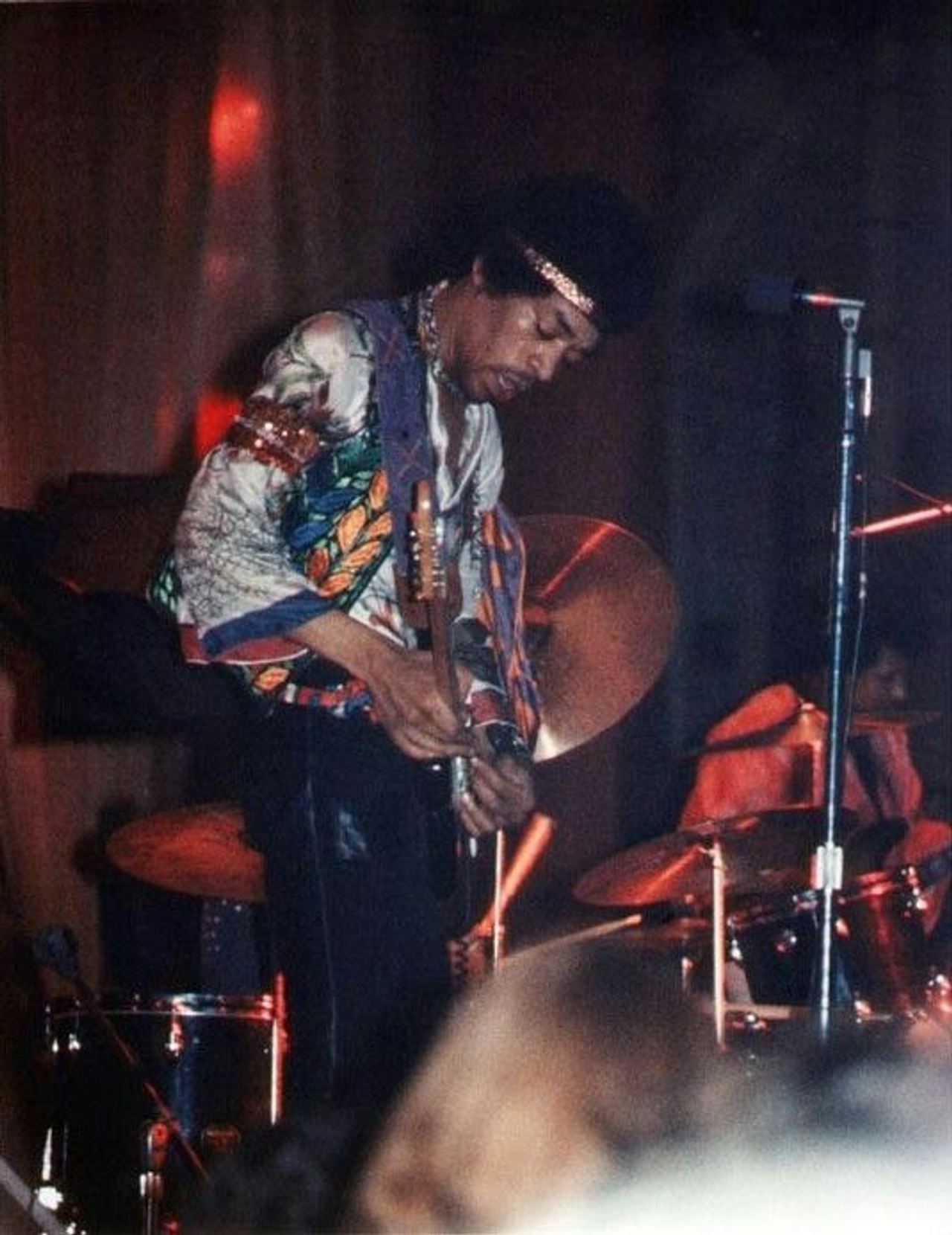
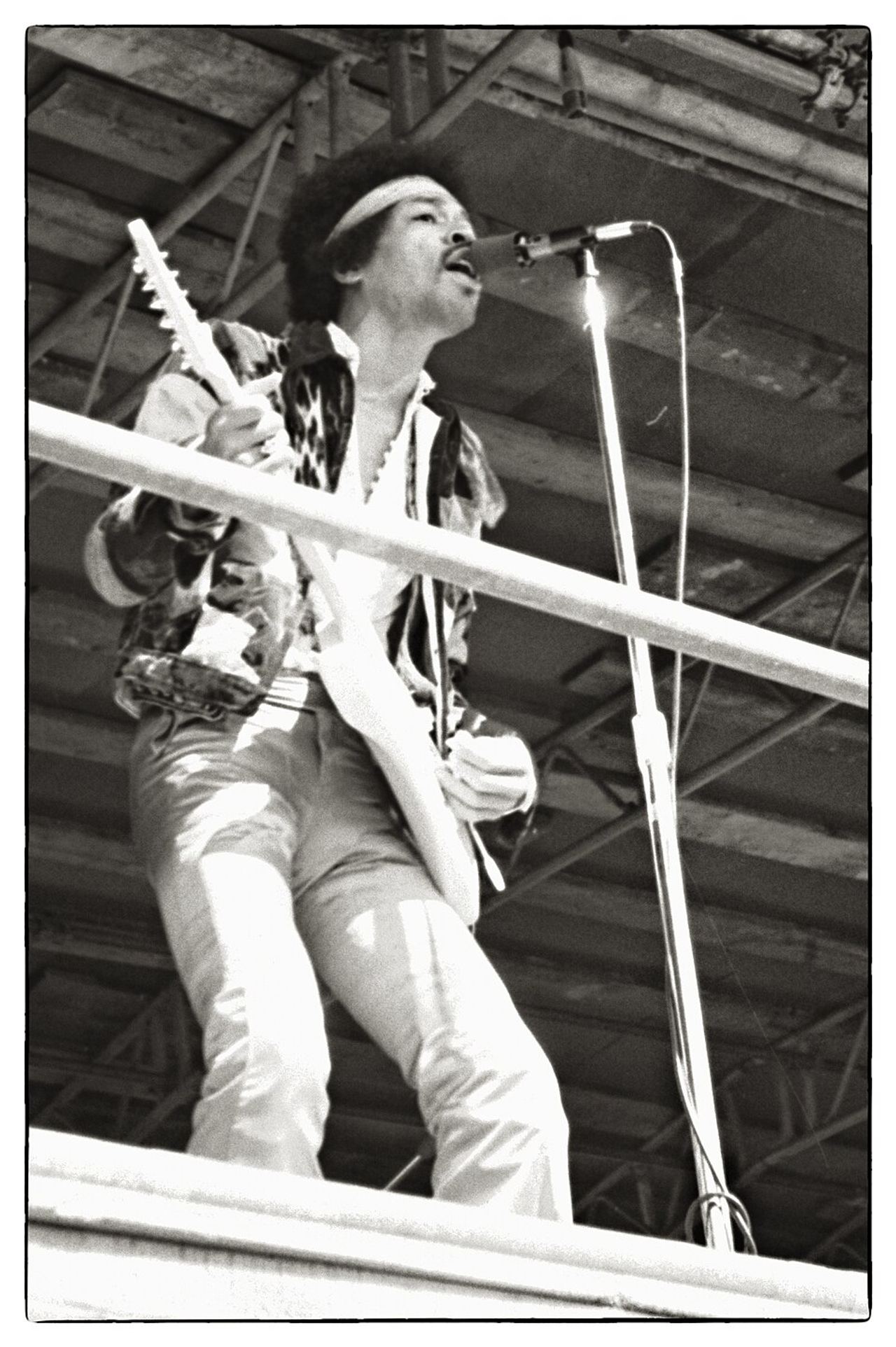
Jimi Hendrix performing at the Fehmarn festival on September 6, 1970, five days before his final interview. Photo: Detlef Hansen. CC BY-SA 4.0, via Wikimedia Commons.
The final interview cannot answer it. Nor should it be treated like a coded prediction of tragedy. It is more valuable as evidence of a living mind—restless, amused, frustrated, and determined to escape the simplest version of his own legend.
On September 11, the anniversary returns us not to the moment of his death, but to the last long conversation that survived before it.
Listen past the mythology and the famous photographs. For a little while, the loudest guitarist of his generation is simply talking about wanting people to hear more than the noise around his name.
Listen to the recording
Continue reading
He Wrote an Eight-Minute Eulogy for the American Dream—Then Radio Made It Number One
On a cold morning in February 1959, thirteen-year-old Don McLean was preparing newspapers for his delivery route in New Rochelle, New York, when he learned that Buddy Holly had died in a plane crash.
Ritchie Valens, J.P. “The Big Bopper” Richardson and pilot Roger Peterson were also killed. For McLean, Holly was not simply a famous singer. He represented the first music the boy had felt belonged completely to his own generation.
More than a decade later, that newspaper memory became the opening door to “American Pie.”
McLean began with a personal shock, then expanded outward. The song moves through the cultural upheaval of the 1960s in a chain of symbols, characters and scenes that refuse a single neat interpretation.
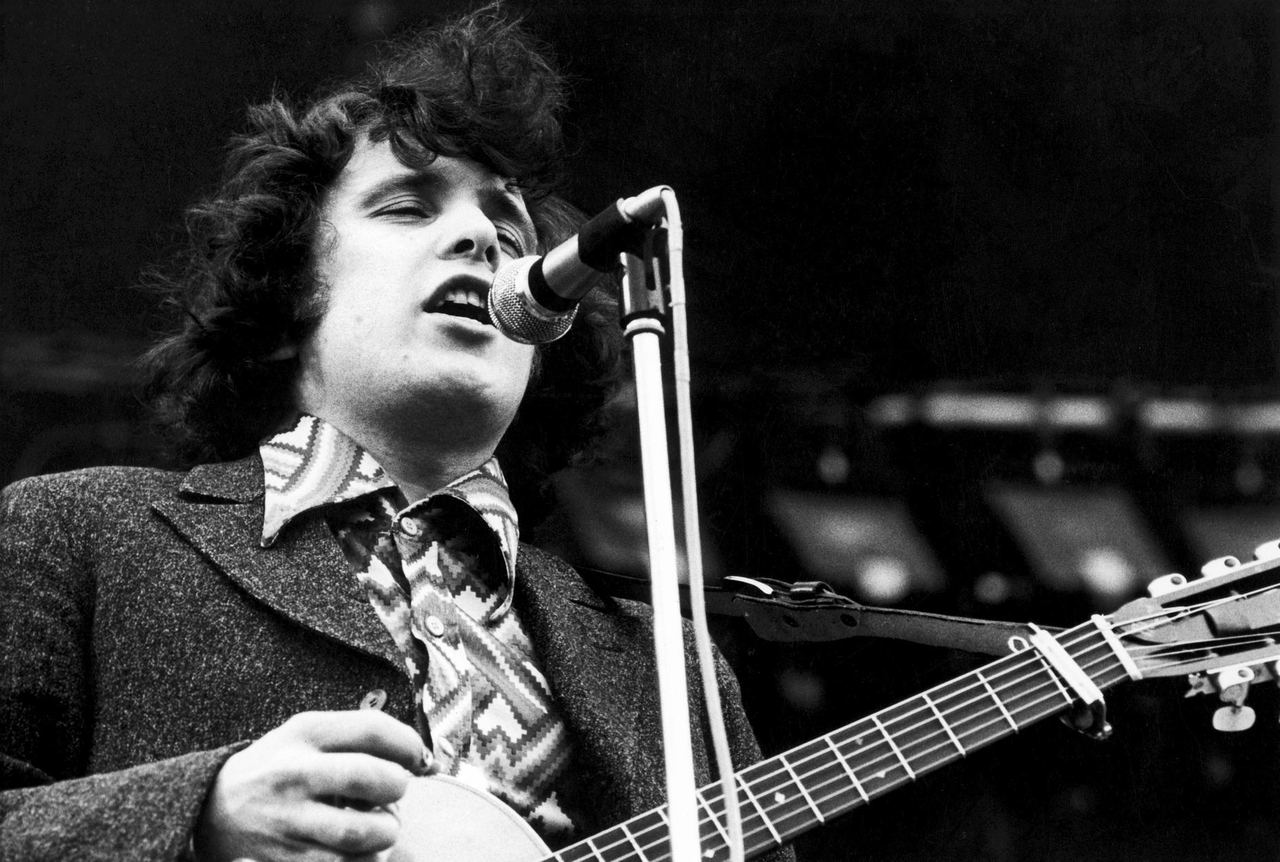
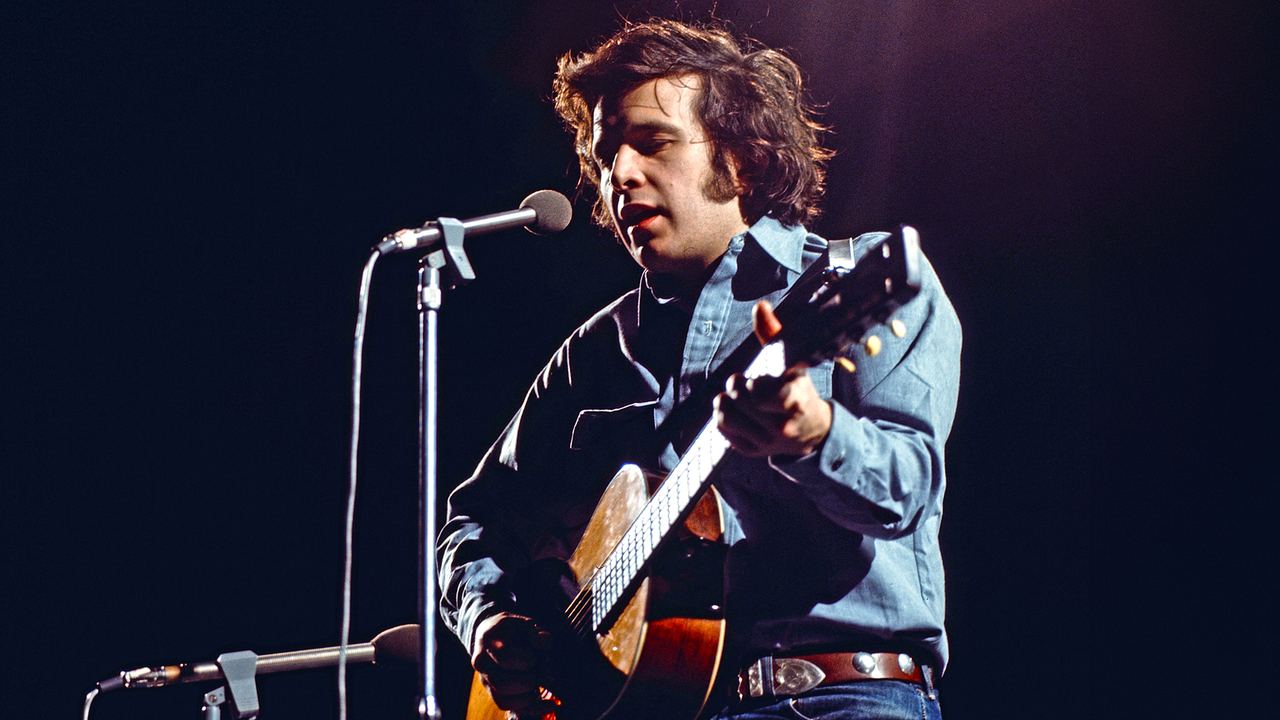
Don McLean performing during the early-1970s period when American Pie transformed his career.
Rock and roll changes. National optimism darkens. Familiar figures appear in masks and metaphors. By the final verse, music that once promised connection seems unable to hold the country together.
McLean has described the work as partly autobiographical and partly a portrait of America moving from the idealized 1950s into a more troubled decade. He also resisted turning every line into a solved puzzle.
That resistance helped the song endure. Listeners could recognize Buddy Holly and the famous phrase “the day the music died,” but the later verses asked them to bring their own memories of innocence, conflict and loss.
The scale was audacious. The complete recording runs more than eight minutes, far beyond the conventional length of an early-1970s pop single. Radio programming depended on compact songs, predictable breaks and formats built around speed.
“American Pie” ignored all of that.
Producer Ed Freeman and a group of experienced musicians helped McLean turn the long lyric into a recording that keeps changing shape. It begins with voice and piano, gathers rhythm, accelerates into communal choruses and repeatedly returns to a refrain simple enough for a roomful of strangers to sing together.
The chorus is warm, memorable and almost celebratory. The verses grow increasingly unsettled. That contrast is the engine of the record: everyone keeps singing while the world inside the song keeps breaking apart.
United Artists initially issued the single across two sides of a 45. Radio stations, however, began playing the complete album version. The supposed obstacle became part of the event. Listeners did not merely tolerate an eight-minute song; they followed it all the way to No. 1.
In early 1972, “American Pie” spent four weeks at the top of the Billboard Hot 100. At the time, it was the longest recording ever to reach No. 1.
Don McLean onstage with the acoustic guitar that carried one of popular music’s longest number-one singles.
Its success transformed McLean’s career and changed what a mainstream hit could contain. A song could be literary, ambiguous and longer than the rules allowed, provided it gave listeners an emotional route through its complexity.
The recording also returned Buddy Holly to public conversation. McLean’s phrase became the name by which the 1959 tragedy is now widely remembered, even though the song reaches far beyond the crash itself.
That reach is essential. “American Pie” is not an eight-minute obituary for three musicians. It is a eulogy for a version of America that the narrator believes disappeared somewhere between the newspaper route and the end of the 1960s.
Yet the song never sounds entirely defeated. Every performance creates the community the lyric fears has been lost. People who disagree about the symbols still know when the chorus arrives, and they sing it together.
More than fifty years later, its mysteries remain productive. Each generation hears different warnings in the verses and a different lost world inside the refrain.
McLean began with one boy holding terrible news. He ended with millions of listeners singing about memory, music and a country they could no longer understand in quite the same way.
Radio did not shorten the eulogy. It made room for every minute—and turned it into a number-one song.