The 1957 Rebellion: When Elvis Presley Pushed Back Against Hollywood
A Star in the Machine
By 1957, Elvis Presley was no longer just a regional sensation or a shocking new voice in American music. He was a national obsession, a box-office draw, a radio force, and a young man being rapidly absorbed into the machinery of entertainment industry power. Hollywood saw opportunity in his face, his fame, and the frenzy he inspired. It also saw risk in the unruly energy that had made him famous in the first place.
That tension sat at the heart of Elvis’s early career. The qualities that electrified teenagers—the looseness, the rhythm, the blend of country, gospel, and Black musical traditions, the sense that something unpredictable might happen when he opened his mouth—were the same qualities corporate handlers often tried to tame. In studio settings shaped by commercial caution, the pressure was simple: make the sound safer, smoother, more universally marketable.
What Elvis Actually Brought With Him
To understand why that pressure mattered, it helps to remember where Elvis came from musically. He did not emerge from a polished pop assembly line. His sound was formed through deep listening: gospel in church, blues and rhythm and blues on the radio, country music, and the hybrid musical language of the American South. What made him explosive was not merely charisma, but synthesis. He carried multiple traditions into rooms that preferred cleaner categories.
That background gave his singing its charge. Even when he cut ballads, there was often a lived-in ache beneath the gloss. Even when the arrangements turned respectable, his phrasing could still suggest danger, hunger, humor, or loneliness. The conflict was never simply about one song versus another. It was about whether Elvis would be allowed to remain an interpreter of feeling—or be reduced to a market-tested symbol of himself.
They wanted a product; Elvis wanted to bleed music.
Hollywood’s Polished Promise
The film world offered Elvis immense visibility, but it also encouraged standardization. Movie studios favored control: controlled images, controlled narratives, controlled soundtracks. A singer who had first rattled American culture with physicality and vocal grit could, in that environment, be turned into a reassuring commodity. The rough edges that once scandalized parents were exactly the elements executives were tempted to file down.
This was not unique to Elvis; it was a familiar pattern in mid-century popular culture. Industries built around mass appeal often translated singular talent into reliable formulas. Yet Elvis posed a special problem for that logic. His appeal had never come only from polish. It came from friction—between sacred and secular, tenderness and swagger, discipline and impulse. Remove too much of that friction, and you no longer had the phenomenon. You had an imitation of safety.
The Fight Over Sound
The image of nervous executives in a clean Hollywood studio captures something essential, even beyond any single session. Elvis’s career repeatedly reflected an argument over what his records should do. Should they flatter adult expectations and broaden his mainstream acceptance? Or should they preserve the rhythmic urgency and emotional directness that first made listeners feel as if the room had changed temperature?
That argument mattered because Elvis was not merely singing songs; he was helping redraw the boundaries of pop performance. A softer, radio-friendly approach could certainly succeed commercially. But a wholly sanitized Elvis would have betrayed the source of his power. The deeper story is not that he rejected every ballad or resisted every concession. He recorded across styles. It is that his importance rested on a continuing refusal to become entirely obedient to the idea of respectability.
Soul, Commerce, and Contradiction
Part of what makes Elvis so enduring is that he embodied contradiction rather than resolving it. He was both rebel and mass idol, instinctive musician and managed celebrity, Southern listener shaped by Black and white musical traditions and a global commercial brand. The struggle described in stories about his studio battles fits that larger truth. Elvis’s artistry was always being negotiated—by managers, studios, audiences, critics, and by Elvis himself.
That is why the phrase ‘find his soul’ feels so resonant here. It suggests not a sudden transformation, but a repeated act of return. Return to the sources that animated him before the cameras, before the contracts, before fame demanded he become legible to everyone. In Elvis’s case, soul was not branding language. It was the residue of origins: church singing, regional radio, emotional risk, and a style of delivery that sounded felt before it sounded perfected.
Why the Story Still Endures
The fascination with a 1957 clash between Elvis and Hollywood lasts because it mirrors a permanent conflict in popular culture. What happens when institutions built to maximize profit encounter a performer whose value lies in being hard to contain? How much authenticity can survive industrial success? When does refinement become erasure? Elvis remains a potent case study because he became so enormous without ever fully ceasing to represent something unruly.
In that sense, the story is bigger than one session or one confrontation. It speaks to the cost of superstardom and the stubbornness of musical identity. Elvis Presley could be packaged, photographed, scripted, and sold, but the force that made him matter was harder to sterilize. The legend persists because audiences can still recognize the difference between a man performing a role and an artist trying, however imperfectly, to protect the pulse at the center of his work.
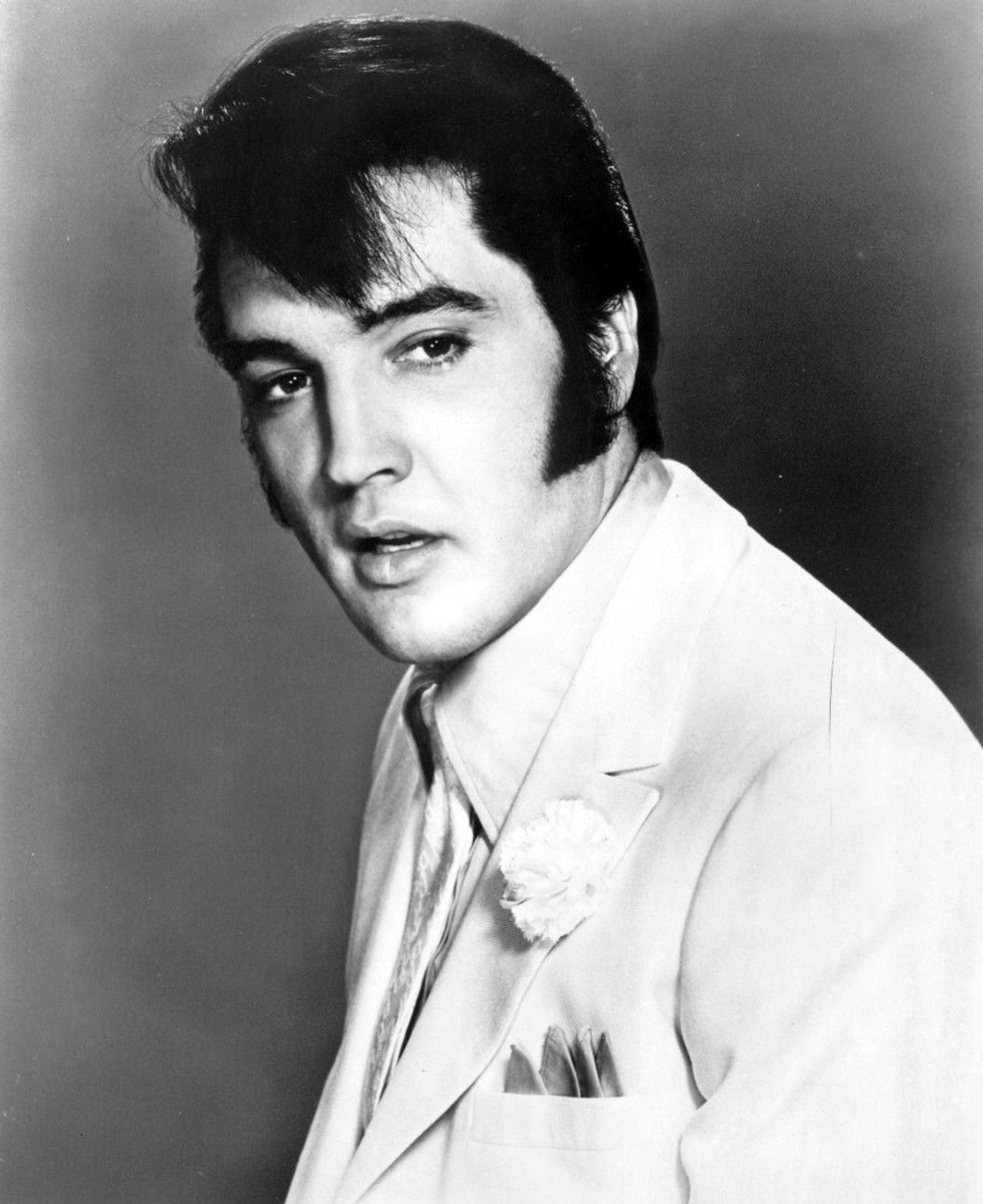
Quick Facts
- Subject: Elvis Presley
- Core tension: Raw musical identity versus Hollywood-style commercial polish
- Era: Late 1950s
- What shaped his sound: Gospel, blues, rhythm and blues, and country music
- Why the story resonates: It reflects the enduring clash between authenticity and mass-market control
Image credits: Ollie Atkins, chief White House photographer at the time. See ARC record. / Wikimedia Commons / Public domain; Ollie Atkins, chief White House photographer at the time. See ARC / Wikimedia Commons / Public domain; MGM / Wikimedia Commons / Public domain.