The 1971 No. 1 That Became Her Defining Farewell
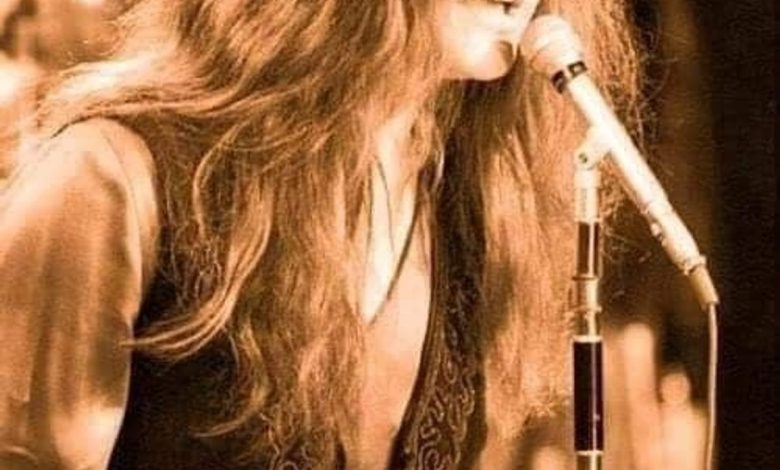
Janis Joplin’s “Me and Bobby McGee”: The 1971 No. 1 That Became Her Defining Farewell
A Song Recorded Near the End of Janis Joplin’s Life
“Me and Bobby McGee” was written by Kris Kristofferson and Fred Foster. Joplin recorded her interpretation during the sessions for Pearl in 1970. She died on October 4, 1970, at 27, before the album was released.
Pearl arrived posthumously in January 1971. Joplin’s version transformed an already-recorded country song through her blues-rock phrasing, moving from an intimate opening into a raw, exuberant vocal performance.
Janis Joplin – Me and Bobby McGee (Official Audio)
Continue reading
The Heartbreaking Truth Behind Janis Joplin’s Iconic Piece of My Heart
The year was 1968, a time when the flower power movement was beginning to wilt under the weight of political unrest, yet the airwaves were still crackling with the raw energy of the counterculture. Amidst this backdrop of change, a voice emerged from the smoky, subterranean clubs of the era to shatter the silence. When Janis Joplin belted out the opening lines of Piece of My Heart, she wasn’t just performing for a crowded venue; she was baring a soul that had been weathered by relentless expectation and the crushing isolation of sudden, meteoric fame. To the millions listening on their home stereos, she was a rock goddess, but behind the curtain, Janis Joplin was a woman drowning in a reality that her music could no longer soothe.
Most fans remember the screams and the unbridled passion that defined her presence, but the history of Janis Joplin is a tragedy draped in velvet and cigarette smoke. As the psychedelic era peaked and the promise of Woodstock loomed on the horizon, the pressure to maintain an untouchable persona became a suffocating shroud. While the world saw an unstoppable force of nature, those in her inner circle witnessed a lonely soul constantly searching for validation in all the wrong places. Her performance of Piece of My Heart remains a haunting testament to this internal dissonance, where every crack in her voice felt like a plea to be truly seen beyond the stage lights.
The irony of her legacy is that Janis Joplin provided a soundtrack for freedom while feeling increasingly imprisoned by the very stardom she had chased. Whether she was clutching a bottle of Southern Comfort or channeling her blues-drenched pain into a microphone, she lived in a cycle of highs and lows that mirrored the volatility of the sixties themselves. The recording studio, often a place of artistic refuge for many, became a mirror reflecting her desperate need for connection. She didn’t just sing the lyrics about giving her heart away; she was actively pouring the last reserves of her identity into a culture that consumed her talent while ignoring her fragility.
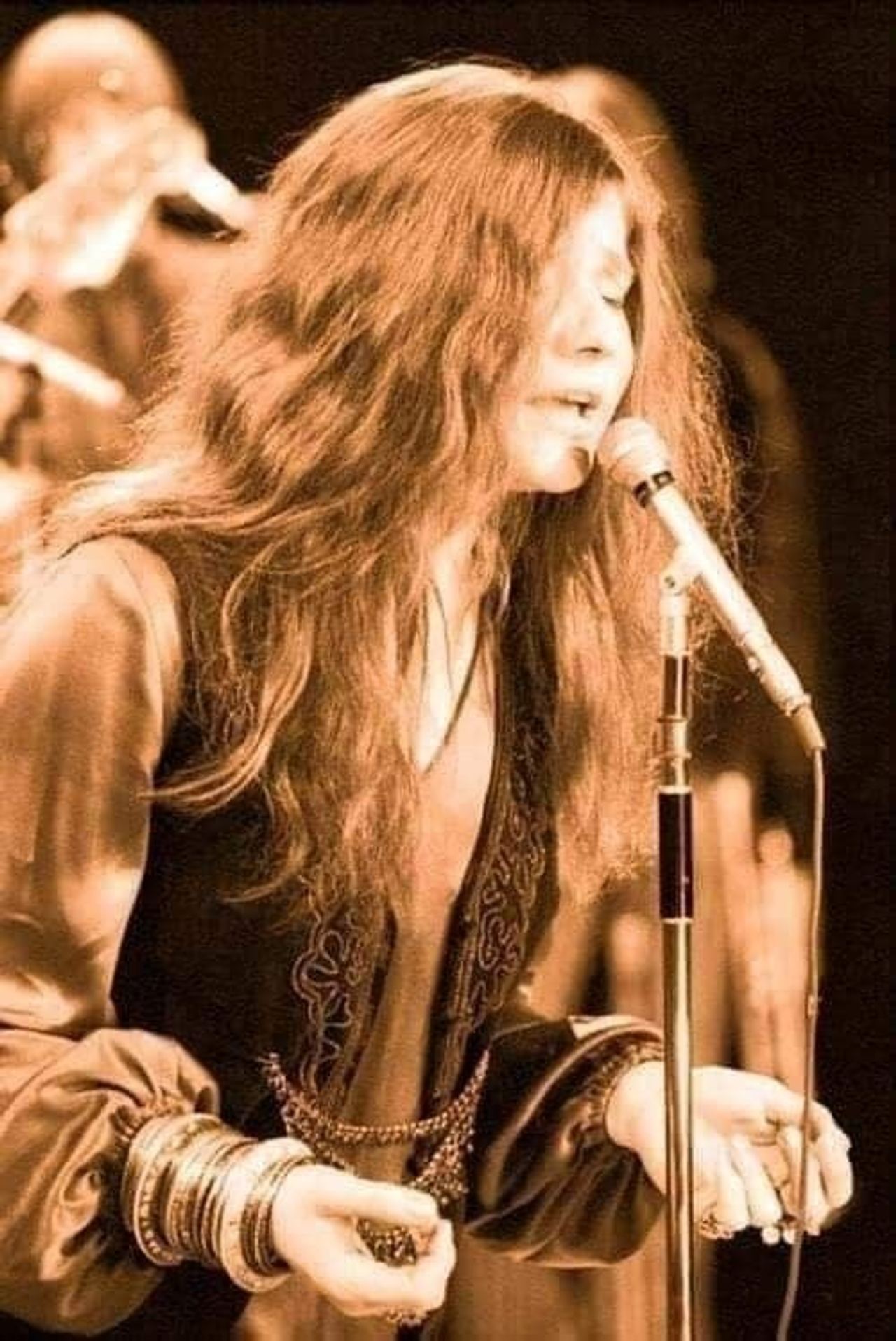
Even decades later, the sonic impact of that era remains tethered to her signature wail. For those who grew up in the shadow of the Vietnam War and found solace in the warmth of a vinyl record, Janis Joplin serves as a visceral reminder of what we lost. Her music acts as a time capsule, transporting us back to a world of fuzz pedals, bell-bottoms, and the lingering scent of incense in a crowded apartment. The tragedy of her short life is not just a footnote in rock history, but a profound human story that continues to resonate with anyone who has ever felt too much in a world that asks us to hide our scars.
As we look back at the icons who defined the late 1960s, the name Janis Joplin stands alone as the embodiment of authentic, unpolished emotion. She was a bridge between the blues of the past and the rock revolution of the future, yet she could never quite find a bridge back to herself. Her songs remain a vital part of our collective memory, preserved in the grooves of our oldest albums, still vibrating with the ghost of a woman who gave her everything to a world that was simply not prepared to handle the intensity of her heart.
The Secret Story Behind Elvis Presley’s 1969 Comeback Masterpiece – DailyFeed
In the winter of 1969, the American music landscape was shifting beneath our feet. While the youth were lost in the psychedelic haze of Woodstock and the rising tide of protest rock, the King of Rock ‘n’ Roll seemed to be fading into the archives of the fifties. Elvis Presley was arguably at the lowest point of his artistic life, buried under a mountain of formulaic B-grade movies and pop soundtracks that failed to capture his true spirit. The world had moved on, or so the record executives thought. Yet, tucked away in an American Sound Studio, Elvis was about to do the impossible, breathing fire back into a career that everyone had written off as a relic of the Jukebox era.
He was handed a song that was raw, aching, and deeply personal—a narrative about the cyclical nature of poverty and the desperate longing for change. At first, Elvis Presley hesitated. The lyrics touched a nerve that hit too close to home, stirring memories of his own harsh, impoverished upbringing in Tupelo, Mississippi. For a man who had become a symbol of glitz and excess, the song demanded a vulnerability he hadn’t shown in years. He didn’t want to play the persona of the King; he wanted to be the man who remembered the dirt roads and the hunger. When he finally stepped up to the microphone, the air in the room reportedly went cold, then suddenly electric.
That single recording session became a turning point in music history. Elvis Presley delivered a vocal take that was stripped of the theatrical bravado and replaced with a gritty, soul-searching intensity that hadn’t been heard since his Sun Records days. It wasn’t just a comeback; it was a resurrection. By channeling his own trauma and suppressed history into those lyrics, he proved that his voice was not merely an instrument of entertainment, but a vessel for the collective struggles of a generation that grew up alongside him. The industry was stunned, and the public quickly realized that the King had reclaimed his throne with a newfound, matured gravitas.
Looking back at that era, it is easy to forget how fragile fame truly is. Elvis Presley navigated a cultural revolution that threatened to make him irrelevant, yet he survived by digging deeper into his own shadow. The song became a beacon for his fans, a bridge between the nostalgia of the fifties and the turbulent reality of the late sixties. It wasn’t about the glamour of the stage or the flashing lights of the media; it was about the raw human connection that only a voice like his could manifest. Even decades later, that recording serves as a powerful reminder of how art can pull a legend from the brink of obscurity.
Today, we look back at the 1969 session as a masterclass in artistic reinvention. It remains a haunting, beautiful testament to a man who, despite the weight of global fame, chose to look into his past to find his future. If you listen closely to the crackle of the vinyl, you can still hear the tremble of a man discovering his truth all over again. Elvis Presley wasn’t just singing; he was reclaiming his legacy, one honest note at a time. The next time you find yourself lost in the echoes of the past, remember that even the brightest stars have to walk through the dark to find their way back home.
The Motown Legend: Why Marvin Gaye Risked His Career for What’s Going On
In the spring of 1971, the hallowed halls of Motown Records were echoing with a decision that could have silenced one of the greatest voices in musical history. Berry Gordy, the formidable founder of the label, sat behind his desk and looked at Marvin Gaye with cold disappointment. He had just heard the demo for What’s Going On, and he didn’t mince his words. He called it the worst thing he had ever heard, a song that wouldn’t sell, a record that deviated too far from the polished, radio-friendly pop formula that had built the Motown empire. Gordy famously refused to release it, leaving Marvin Gaye at a terrifying crossroads: comply and remain a prince of pop, or defy his mentor and risk everything for a song he felt compelled to sing by the spirit of the times.
At the time, the world was a powder keg of social unrest, war, and systemic heartbreak. Marvin Gaye was not the same man who had danced through the hits of the sixties. He was a man plagued by the internal turmoil of fame, the weight of his own growing addiction, and a profound, aching empathy for the suffering he saw on the nightly news. He didn’t want to sing about love or heartbreak anymore. He wanted to document the human condition, the chaos in the streets, and the plight of returning Vietnam veterans. When he took that stand, he wasn’t just fighting for a track; he was fighting for his artistic soul against an industry that viewed him as a product rather than a prophet.
He refused to back down. Marvin Gaye essentially went on strike, telling the label he wouldn’t record another note until they released the single. It was a move that could have effectively ended his career in an instant. The tension between the star and the boss was legendary, a battle of wills that perfectly captured the volatile nature of the industry during that era. When the single finally dropped, it didn’t just climb the charts; it redefined them. It proved that a pop star could be a storyteller, a social commentator, and a voice for the voiceless. The grit, the smooth arrangement, and the raw vulnerability in his voice turned a song labeled as a failure into a masterpiece that would define a generation.
Today, we look back at the smooth melody and the haunting questions posed in those lyrics, and it is almost impossible to imagine a world where it never existed. The struggle Marvin Gaye endured serves as a poignant reminder of the price of authenticity. While the music industry often tries to strip away the edges of an artist, it is those very edges that make the art stick in our collective memory. His defiance changed the landscape of soul music forever, granting other artists the permission to speak their truth, no matter how uncomfortable it might make the suits in the front office.
Decades later, the legacy of Marvin Gaye remains untouchable because it feels so startlingly real. We listen to the opening notes of that record and we aren’t just hearing a song; we are stepping into a time machine that takes us back to a moment of intense cultural reckoning. His story is a testament to the idea that sometimes, to create something that lasts forever, you have to be willing to lose everything you have built in the present. When you listen to the track today, you aren’t just hearing a legend—you are hearing the sound of a man who finally dared to be heard exactly as he was.
The Day Rick Hall Forced The Rolling Stones to Find Their Soul
The year was 1969, and the air in the Muscle Shoals Sound Studio was thick with unspoken tension. The Rolling Stones, already giants of the British Invasion, were paradoxically lost. They had spent the decade chasing the frantic, psychedelic echoes of their peers, but Mick Jagger and Keith Richards felt a gnawing emptiness in their sound. They were looking for something dirtier, something rooted in the raw, gospel-drenched soil of the American South. Enter Rick Hall, the man with the reputation for being as uncompromising as the Southern heat itself. He was the architect of the Muscle Shoals sound, and he was not about to let a group of jet-setting Brits push him around in his own sanctuary.
Rick Hall did not just produce; he demanded. When the Stones arrived, they expected the star treatment, but Rick Hall treated them like any other band looking for a hit. He had a vision that pulled the band away from their comfortable blues-rock cliches and forced them into a tighter, more rhythmic corner. He pushed them until the friction became the music itself. The result of this abrasive collaboration was not just a song; it was a revolution in their catalog. As the tape rolled, the band tapped into a grit they had never touched before, creating tracks that felt like they were dragged through the red clay of Alabama.
The iconic hits born from these sessions became a bridge between the polished pop of the early sixties and the gritty, experimental sounds of the seventies. Rick Hall held the whip, not through cruelty, but through an unwavering belief that music should hurt a little to be true. He stripped away the ego, forcing Jagger to deliver vocals that felt desperate rather than performative. You can hear it in the way the rhythm section locks together—a tight, muscular groove that defines the quintessential Stones sound. It was the moment they stopped playing at soul music and finally inhabited the spirit of it.
Looking back, this era represented a profound shift in music history. The Rolling Stones were transitioning from pop icons to legends, and Rick Hall was the catalyst that ignited the transformation. Without this encounter, the sound of late-sixties rock might have remained tethered to the hallucinogenic drift of the previous years. Instead, they embraced a harder, more authentic identity that would sustain them for decades. It is a testament to the idea that sometimes the greatest art is birthed from the most uncomfortable clashes of will.
Even today, those Muscle Shoals recordings hum with a restless energy that feels timeless. Whether you are listening on a worn-out vinyl pressing or through modern digital streams, the influence of that studio session remains palpable. It was a fleeting, volatile marriage of Southern tradition and British rebellion. Next time you hear those opening chords, remember the quiet, intense figure of Rick Hall standing behind the glass, refusing to settle for anything less than perfection. Some legends are born in the spotlight, but the best ones are forged in the shadows of a studio.

The Dark Truth Behind The Eagles and Hotel California
It started as a simple, unassuming home demo, a humble cassette tape that gave no hint of the dark, sprawling epic it would eventually become. In the mid-1970s, the California sun was setting on the idealism of the flower power era, and The Eagles were standing at the epicenter of a cultural shift. When they stepped into the studio to record what would become their signature masterpiece, Hotel California, they were not just making music; they were crafting a haunting, cinematic narrative that would forever define the decadence and disillusionment of the American dream. The process was not easy, nor was it particularly healthy, as the band entered a period of obsessive, grueling perfectionism that would eventually fracture their internal bonds.
The creation of Hotel California was an exercise in intense psychological pressure. The band members, already feeling the weight of sudden, explosive fame, turned the recording process into a meticulous dissection of sound. Don Henley and Glenn Frey, the primary architects of the track, were determined to capture a specific, eerie atmosphere that felt like a fever dream. Night after night, the studio became a sanctuary and a prison, filled with the haze of cigarettes and the tension of competing egos. The iconic, dueling guitar solos between Don Felder and Joe Walsh were not just improvised jams; they were precision-tooled sequences that had to be captured perfectly, layer upon layer, until the track felt both ethereal and suffocating.
At its core, Hotel California is a biting critique of the dark side of the California lifestyle that The Eagles were living themselves. It was a world of glitz, excess, and spiritual emptiness, often fueled by the substances that were rampant in the industry at the time. By 1976, the band was exhausted, caught between the desire for artistic immortality and the crushing reality of global stardom. The lyrics, with their cryptic references to mirrors on the ceiling and pink champagne on ice, painted a vivid, claustrophobic picture of a place you could check out of but never leave. It was a mirror held up to the music industry itself, exposing the rot underneath the glamour that defined the era.
The resonance of the song remains undiminished decades later because it captures a universal feeling of entrapment within one’s own success. The Eagles had tapped into something primal, a sense of foreboding that lingered long after the turntable stopped spinning. For those who remember the sound of a crackling vinyl record or the weight of a heavy stereo system, the opening notes of that twelve-string guitar are an immediate invitation back to a world of high-concept rock. It represents a time when an album was an event, and a song was a story that required deep, undivided attention from the listener.
Even now, the legacy of The Eagles is inseparable from the mythos of this song. Their journey from country-rock pioneers to the architects of stadium-filling decadence serves as a reminder of the high cost of creative perfection. The haunting beauty of the track remains, serving as both a monument to their musical brilliance and a cautionary tale about the perils of life in the fast lane. Do you remember where you were the first time those final, echoing guitar notes faded into silence, leaving you to ponder the shadows in the dark?
The Eagles: The Masterpiece That Radio Stations Almost Destroyed Forever
Picture a dusty, smoke-filled room in the early 1970s. The air is thick with the scent of cheap cigarettes and the frantic energy of a music industry that only wanted fast-paced, danceable hits. Before The Eagles became the architects of the sun-drenched California sound, before they filled sold-out stadiums across the world, and before their harmonies defined an entire generation, they were just another struggling band fighting for airtime. They carried a masterpiece in their pockets that would eventually cement their place in rock history, yet for the longest time, it was a song that radio programmers refused to touch.
The industry gatekeepers of the era were notoriously stubborn. If a track didn’t fit the tight, three-minute mold required for AM radio, it was considered dead on arrival. The Eagles, a group of meticulous perfectionists led by Don Henley and Glenn Frey, dared to experiment with length and lyrical depth. When they first presented their vision, they were met with cold indifference. Radio stations dismissed their work as too slow, too long, and ultimately, too risky. It is a haunting thought today to imagine a world where this track, which eventually became a pillar of classic rock, was almost abandoned to the archives of forgotten tapes.
Yet, the tension within The Eagles was always a double-edged sword. While their internal friction and professional disagreements were legendary, these conflicts were the crucible that forged their precision. They were operating in an era where the analog warmth of the Jukebox era was transitioning into the high-fidelity obsession of the late 70s. The pressure to conform was immense, but the band held onto their sonic integrity with a stubbornness that bordered on madness. They weren’t just making music; they were crafting an atmosphere that captured the melancholy beauty of life in the fast lane.
When that once-rejected track finally hit the airwaves, the cultural tide turned instantly. It wasn’t just a song anymore; it was an anthem that echoed through the windows of every passing car and into the living rooms of teenagers holding their Walkmans like religious artifacts. The public’s hunger for something authentic, something that spoke to the deeper, shadowed corners of the American dream, was finally satisfied. The radio stations that had once turned their backs were now spinning the record until the vinyl wore thin.
Even today, listening to the intricate guitar interplay and the haunting, layered vocal harmonies of The Eagles, you can feel the ghost of that struggle. It reminds us that behind every timeless legend lies a history of rejection and the sheer, raw nerve of artists who refused to compromise their vision. They survived the pressure of the spotlight and the toxicity of fame, leaving behind a legacy that refuses to fade with time. The next time you hear those iconic opening chords, remember that it was a victory snatched from the jaws of failure, proving that greatness often finds its way home even when the world closes every door.
Read more stories
- My MIL Moved In with Her New Boyfriend and Turned Me Into Their Maid Until I Discovered Their Shocking Secret — Story of the Day
- My Stepdad Raised Me as His Own After My Mom Died When I Was 4 – at His Funeral, an Older Man's Words Led Me to a Truth Hidden from Me for Years
- Dolly Parton has spent decades sharing global stages, but her most enduring harmony remains the quiet promise kept beside Linda Ronstadt.
- I Thought My MIL Was Throwing Me a Baby Shower Until She Handed Me a Ribbon That Said ‘Surrogate Mother’ – Story of the Day