The Folk Ballad Nobody Could Pin Down: How “House of the Rising Sun” Became a Rock Classic
A song that seemed older than rock itself
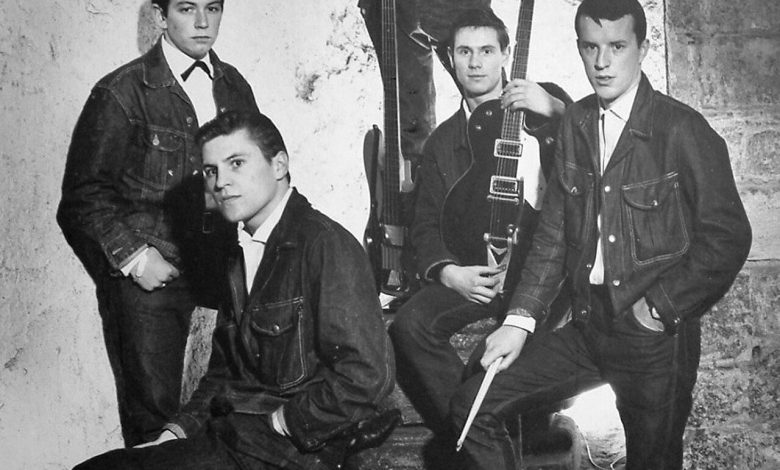
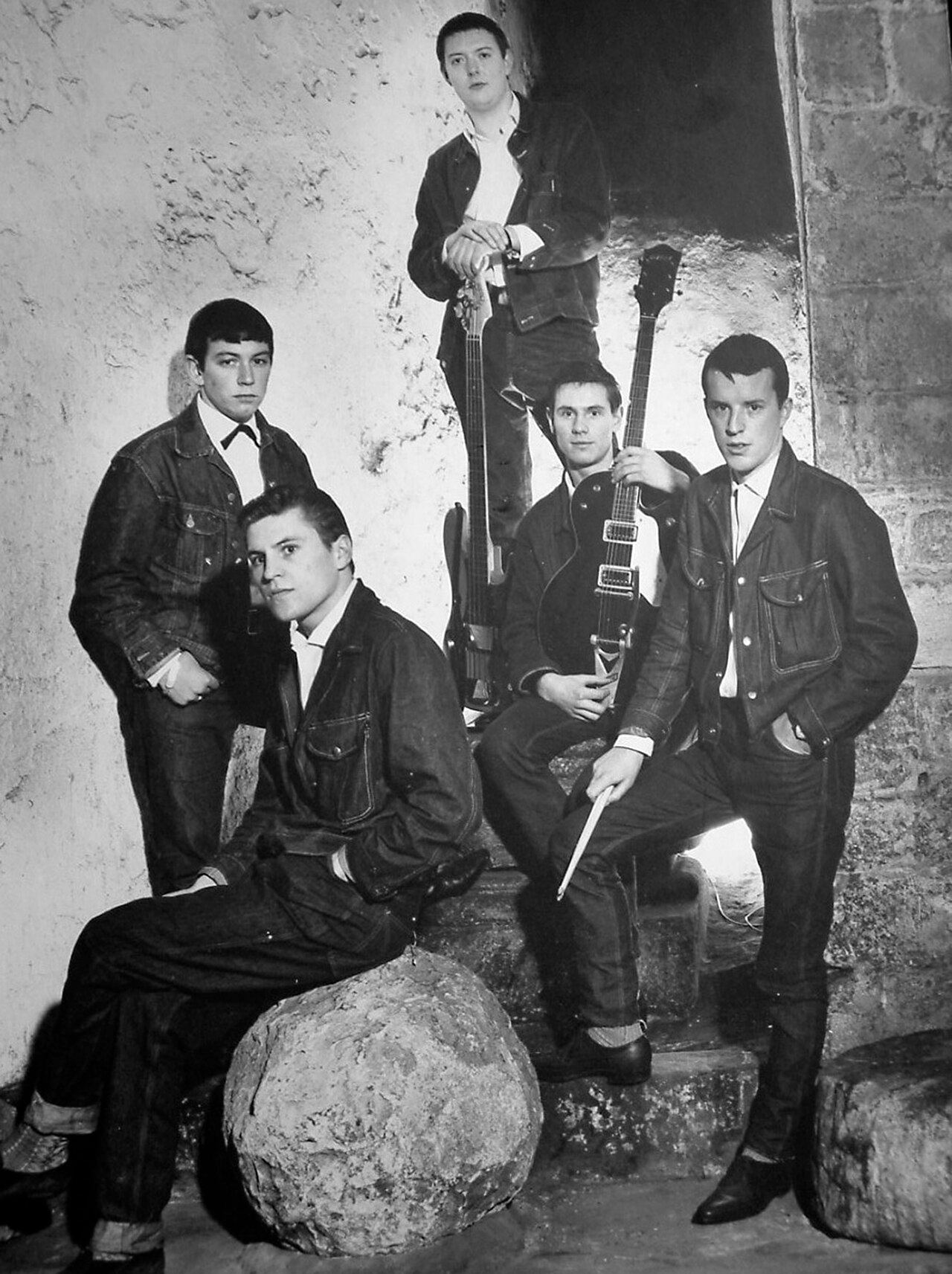
When The Animals released “House of the Rising Sun” in 1964, the recording arrived with the force of a storm: ominous organ, measured guitar, and a vocal that sounded less sung than confessed. It did not resemble the bright, buoyant side of early-1960s pop. Instead, it felt ancient, fatalistic, and somehow already haunted.
That atmosphere was not an illusion. The song was already old by the time it entered the rock era. “House of the Rising Sun” had circulated in folk tradition for years, accumulating variants in lyrics, point of view, and meaning. The Animals did not invent the tale so much as crystallize it, taking a wandering ballad and giving it a definitive modern shape.
Its mystery was the hook: a song with no clear author, no agreed meaning, and no single original form still managed to sound absolutely certain of its emotional truth.
A traditional song with uncertain roots
Part of the song’s enduring allure is that no one can point to a neat beginning. It belongs to the category of traditional folk material that passed from singer to singer, changing a little each time. In one version the narrator is a woman lamenting a ruined life; in another, a man warns younger listeners away from the same fate. Melodies shifted. Phrases moved. The “House” itself stayed in place while everything around it remained unstable.
That instability is exactly how folk songs survive. They are less fixed compositions than living frameworks. “House of the Rising Sun” traveled through oral tradition and later through field recordings and performances, carrying traces of older ballad styles while remaining open to reinterpretation. By the time rock musicians encountered it, the song already had the worn, adaptable quality of something passed through many hands.
What was the ‘House of the Rising Sun’?
The central mystery has always been the place named in the title. Listeners have long treated the “House of the Rising Sun” as a real location in New Orleans, but the song never settles the question. Depending on the singer and the reading, it has been imagined as a gambling house, a prison, a brothel, or simply a symbolic site of ruin.
That uncertainty may be why the image lasts. The “House” is concrete enough to feel local and physical, yet vague enough to absorb different fears. It can stand for vice, bad luck, social downfall, addiction, entrapment, or a life gone wrong one choice at a time. The song’s power lies in that balance between specificity and blur: a named place that remains unknowable.
Why The Animals’ version changed everything
The Animals’ recording did not merely revive an old song; it reframed it for a mass audience. Their arrangement stripped away any folksy softness and replaced it with tension. The organ line gave the track its grave, chapel-like mood, while the rhythm section moved with a deliberate sense of doom. Eric Burdon’s vocal delivered the lyric as testimony, not ornament.
That combination helped transform a traditional ballad into a rock classic. The song fit the British blues boom’s appetite for American roots material, but it also stood apart from straightforward blues covers. It felt cinematic, almost ritualistic. For many listeners, The Animals’ version became the version, the one that fused folk narrative and rock electricity so completely that the older layers remained hidden beneath its shadow.
A lyric that keeps changing its face
One reason the song has endured is that its narrative is simple but elastic. A speaker looks back on a life damaged by the “House” and warns others not to follow. That structure is timeless. It can be sung as regret, accusation, confession, or prophecy. Change the narrator and the emotional center shifts with it.
In folk tradition, those changes were normal rather than disruptive. The song’s identity did not depend on preserving every line. Instead, it survived because its emotional architecture was strong enough to withstand revision. The Animals inherited that flexibility, even as their recording made the song feel definitive. Listeners could hear one story, while the tradition behind it suggested many more.
Why the mystery still matters
Plenty of old songs survive because scholars document them, but “House of the Rising Sun” lives on because ordinary listeners still feel its pull. It offers something modern popular music does not always allow: unresolved meaning. There is no final explanation for the House, no single authoritative backstory that closes the case.
That open space has helped the song outlast trends. It is remembered not just as a hit by The Animals but as a rare meeting point between anonymous folk tradition and rock-era immortality. The 1964 recording made it famous, but the uncertainty around its origins and meaning made it unforgettable. In that sense, the mystery was never a problem to solve. It was the song’s engine.


Quick Facts
- Song: “House of the Rising Sun”
- Breakthrough rock version: The Animals, 1964
- Type: Traditional folk song
- Setting associated with the lyrics: New Orleans
- Common interpretations of the “House”: Gambling den, prison, brothel, or symbolic place of ruin
Image credits: Richard William Laws / Wikimedia Commons / CC BY-SA 3.0; Chinmayisk / Wikimedia Commons / CC BY-SA 3.0; Yathin S Krishnappa / Wikimedia Commons / CC BY-SA 3.0.