The Heartbreak Song That Had to Wait Years to Become a Hit
John Oates had plans for New Year’s Eve. The woman he was waiting for never arrived.
What he picked up instead was a guitar.
That small, disappointing evening would help begin a song with a much bigger life. But the finished recording had a wait of its own ahead of it: Hall & Oates released it before they had the audience that would eventually embrace it.
The song was “She’s Gone.”
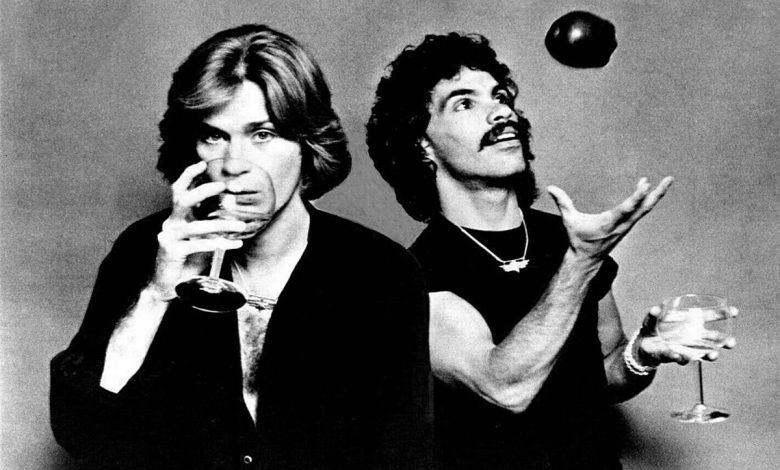
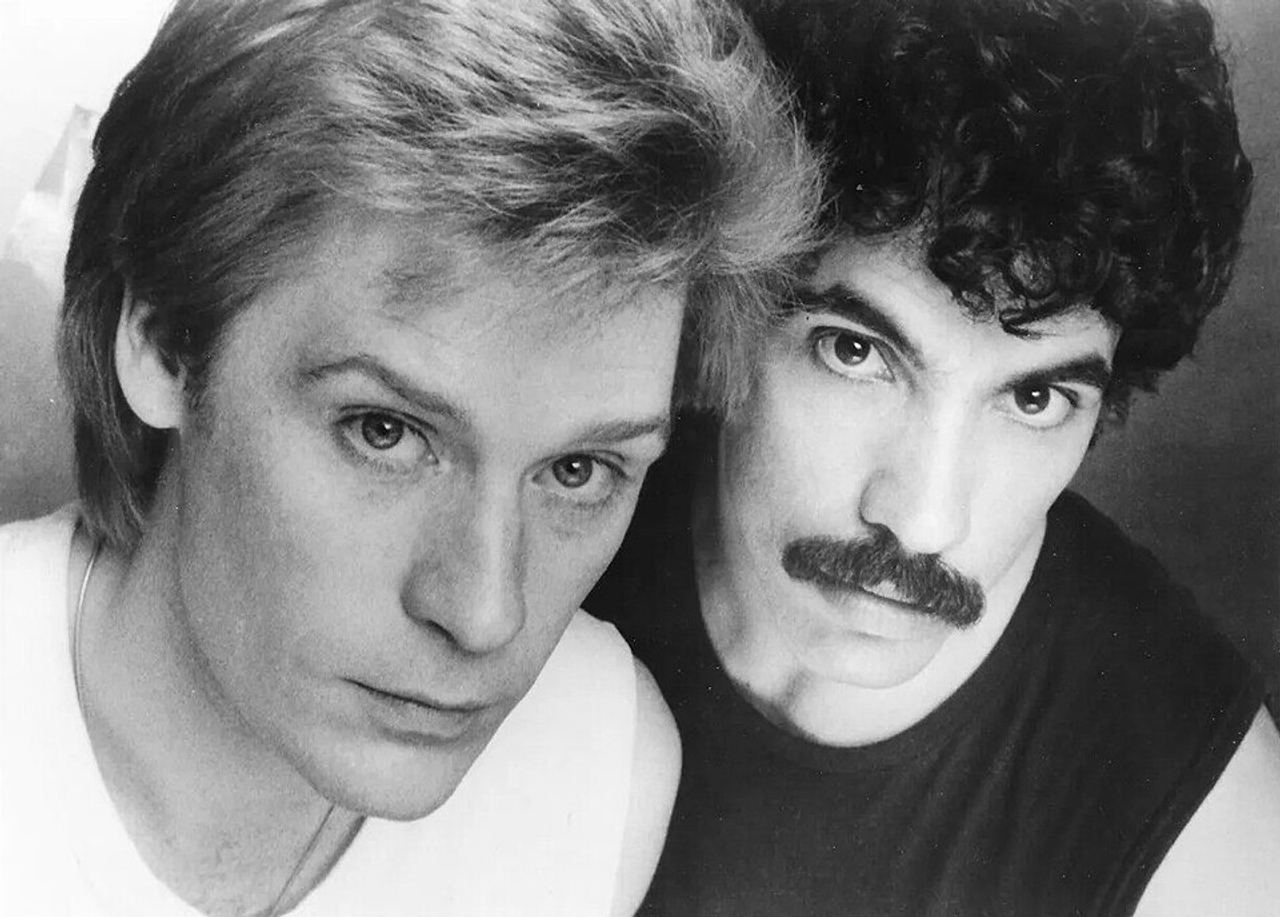
Daryl Hall and John Oates in a 1976 RCA publicity photograph for Bigger Than Both of Us, the year their earlier recording became a US Top 10 hit. This is not a photograph of the 1973 recording session. Via Wikimedia Commons; listed as public domain in the United States.
Oates later recalled the missed date in interviews, describing the first idea as a simple, folk-like lament. Daryl Hall then joined the writing, adding the piano figure and helping develop the unfinished idea into a song. Their collaboration turned a private disappointment into something neither man had to carry alone.
There was more than one emotional history feeding the music. In a 2011 interview, Oates remembered that both musicians had been dealing with separations. The song was not a literal report of a single evening. It grew into a wider picture of loneliness.
That distinction helps explain its reach.
The person who inspired the first idea is not somebody the listener needs to know. The feeling is familiar enough: an expected presence becomes an absence, and suddenly ordinary surroundings seem to have changed their meaning.
Hall & Oates put the song on their 1973 album Abandoned Luncheonette. Producer Arif Mardin and the studio players gave it a scale far beyond the guitar idea Oates had started with. The arrangement is rich, but it never loses its connection to the uneasy human voice at the center.
Listen to how patiently it develops. The opening doesn’t demand that you feel everything immediately. There is movement, there is space, and then the voices begin to push against the restraint. When the emotion rises, it feels like something the song has been holding back rather than something added for effect.
Yet a persuasive record is not automatically an immediate hit.
Its first American chart run peaked at No. 60 on the Billboard Hot 100. That wasn’t no audience at all, but it was a long way from the recognition the recording would later receive.
The story might have ended there. Instead, the composition found another route forward.
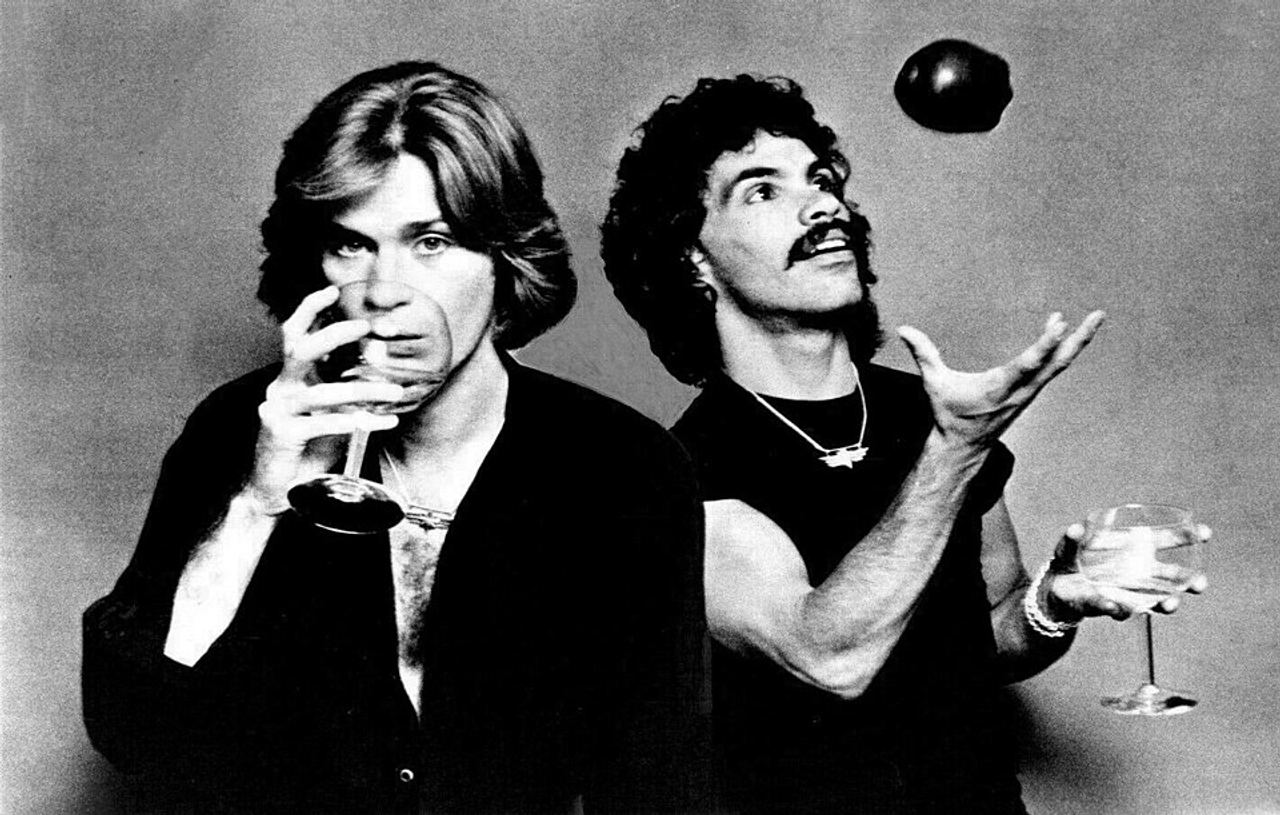
Daryl Hall and John Oates in a separate 1980 RCA publicity photograph for Voices, shown later in their career. Via Wikimedia Commons; listed as public domain in the United States.
Tavares recorded it and reached No. 1 on the R&B chart in 1974. Another group’s voices helped demonstrate how naturally the song could speak through soul music. Hall & Oates’ own breakthrough with “Sara Smile” followed in 1976, and Atlantic brought their earlier recording back into circulation.
This time, “She’s Gone” reached No. 7 on the Hot 100.
The important change wasn’t that a failed song had finally been rewritten into a good one. An existing recording was meeting listeners under different circumstances, with the duo now far more visible.
There is a poignant contrast between that history and the music. The record received another opportunity. The person inside the song cannot be so sure that what has been lost will return.
Perhaps that is why the success story doesn’t make the performance any less sad. Knowing it became a hit doesn’t resolve the feeling you hear when the voices rise.
Return to the full recording and let it take its time. The familiar refrain is only part of its power. The gradual build lets you hear how a quiet disappointment can become something much harder to contain.
One evening, Oates waited for someone who did not come.
Years later, the music that began in that absence finally found more of the people who needed to hear it.
Listen to the recording
[EMBED:
Continue reading
The Guitarist Hired on the Spot Who Changed the Sound of a Famous Band
A phone call arrived when a successful rock band was running out of time. One guitarist had left, a tour was approaching, and the replacement flew to Chicago without knowing that the audition would change the next half-century of his life.
Tommy Shaw, born on September 11, 1953, turns 73 this year. His story with Styx began long before the platinum albums, arena choruses, and songs that still arrive on classic-rock radio every day.
Shaw grew up in Montgomery, Alabama. His grandfather once paid him a nickel to sing on the porch, a moment he later joked was his first professional engagement. At ten, he received the guitar that gave his ambition a direction.
By fourteen he was playing in a band. After high school, he joined M.S. Funk and spent years learning the discipline of working stages far from celebrity.
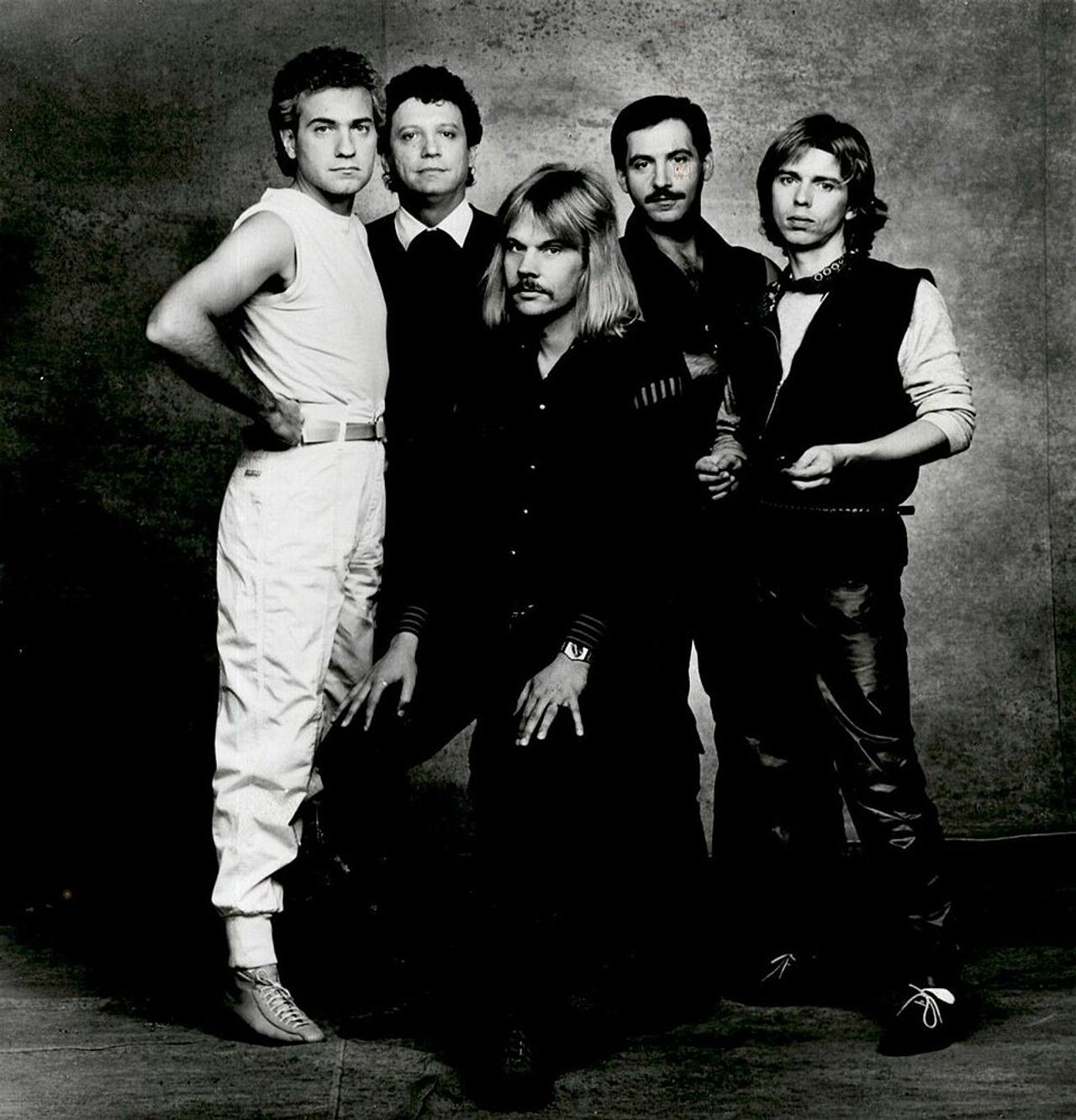
Styx in a 1983 publicity photograph, with Tommy Shaw at right. Photo: Front Line Management and A&M Records, via Wikimedia Commons. Public domain in the United States.
When that group ended, Shaw returned to Montgomery in 1975 and joined a band called Harvest. He kept writing, including a song called “Crystal Ball.” Then Styx called.
The group was in a genuine emergency. Guitarist John Curulewski had departed as a new tour approached. Shaw flew to Chicago, auditioned, and was hired on the spot.
The speed of the decision sounds reckless until the records are played.
“Crystal Ball” became the title song of Shaw’s first album with Styx in 1976. His high, clear voice and melodic guitar work added a new color beside Dennis DeYoung and James Young. The contrast gave the band more than one center of gravity.
The Grand Illusion followed in 1977 and transformed Styx into arena stars. Shaw wrote and sang “Fooling Yourself (The Angry Young Man),” turning nervous self-doubt into a soaring piece of progressive rock that could still move a large crowd.
On Pieces of Eight, his role became even harder to imagine the band without. “Blue Collar Man (Long Nights)” carried the anxiety and pride of someone desperate to work. “Renegade” began with an exposed vocal and grew into one of the group’s most enduring rock songs.
Shaw’s writing could be muscular without losing melody. He understood how a quiet opening makes a loud arrival feel larger, and how a chorus becomes communal when it gives the audience one clean emotional idea to hold.
The Styx years were not without conflict. The theatrical direction of Kilroy Was Here deepened creative tensions, and Shaw left after the tour. His 1984 solo album Girls with Guns opened another chapter, followed later by the supergroup Damn Yankees with Ted Nugent, Jack Blades, and Michael Cartellone.
The title “High Enough” could almost describe Shaw’s gift for harmony. With Damn Yankees, he proved that the recognizable voice was not dependent on one band’s name.
Tommy Shaw performing with Styx in 2010. Photo: Nirvanafanatic619. CC BY-SA 3.0, via Wikimedia Commons.
He eventually returned to Styx and helped carry the group into a new era of touring and recording. Decades after that hurried audition, the once-emergency replacement became one of the band’s defining figures.
Birthdays invite easy praise, but Shaw’s career offers something more useful than a list of hits. Preparedness met opportunity in Chicago. The phone call mattered because years of small stages had already made him ready for the room.
On September 11, the songs tell the story better than any celebration. A guitarist flew north for an uncertain audition, was hired before the day was over, and helped give a famous band the voice it did not yet know it needed.
Listen to the recording
[EMBED:
The Guitarist Hired on the Spot Who Changed the Sound of a Famous Band
A phone call arrived when a successful rock band was running out of time. One guitarist had left, a tour was approaching, and the replacement flew to Chicago without knowing that the audition would change the next half-century of his life.
Tommy Shaw, born on September 11, 1953, turns 73 this year. His story with Styx began long before the platinum albums, arena choruses, and songs that still arrive on classic-rock radio every day.
Shaw grew up in Montgomery, Alabama. His grandfather once paid him a nickel to sing on the porch, a moment he later joked was his first professional engagement. At ten, he received the guitar that gave his ambition a direction.
By fourteen he was playing in a band. After high school, he joined M.S. Funk and spent years learning the discipline of working stages far from celebrity.

Styx in a 1983 publicity photograph, with Tommy Shaw at right. Photo: Front Line Management and A&M Records, via Wikimedia Commons. Public domain in the United States.
When that group ended, Shaw returned to Montgomery in 1975 and joined a band called Harvest. He kept writing, including a song called “Crystal Ball.” Then Styx called.
The group was in a genuine emergency. Guitarist John Curulewski had departed as a new tour approached. Shaw flew to Chicago, auditioned, and was hired on the spot.
The speed of the decision sounds reckless until the records are played.
“Crystal Ball” became the title song of Shaw’s first album with Styx in 1976. His high, clear voice and melodic guitar work added a new color beside Dennis DeYoung and James Young. The contrast gave the band more than one center of gravity.
The Grand Illusion followed in 1977 and transformed Styx into arena stars. Shaw wrote and sang “Fooling Yourself (The Angry Young Man),” turning nervous self-doubt into a soaring piece of progressive rock that could still move a large crowd.
On Pieces of Eight, his role became even harder to imagine the band without. “Blue Collar Man (Long Nights)” carried the anxiety and pride of someone desperate to work. “Renegade” began with an exposed vocal and grew into one of the group’s most enduring rock songs.
Shaw’s writing could be muscular without losing melody. He understood how a quiet opening makes a loud arrival feel larger, and how a chorus becomes communal when it gives the audience one clean emotional idea to hold.
The Styx years were not without conflict. The theatrical direction of Kilroy Was Here deepened creative tensions, and Shaw left after the tour. His 1984 solo album Girls with Guns opened another chapter, followed later by the supergroup Damn Yankees with Ted Nugent, Jack Blades, and Michael Cartellone.
The title “High Enough” could almost describe Shaw’s gift for harmony. With Damn Yankees, he proved that the recognizable voice was not dependent on one band’s name.
Tommy Shaw performing with Styx in 2010. Photo: Nirvanafanatic619. CC BY-SA 3.0, via Wikimedia Commons.
He eventually returned to Styx and helped carry the group into a new era of touring and recording. Decades after that hurried audition, the once-emergency replacement became one of the band’s defining figures.
Birthdays invite easy praise, but Shaw’s career offers something more useful than a list of hits. Preparedness met opportunity in Chicago. The phone call mattered because years of small stages had already made him ready for the room.
On September 11, the songs tell the story better than any celebration. A guitarist flew north for an uncertain audition, was hired before the day was over, and helped give a famous band the voice it did not yet know it needed.
Listen to the recording
[EMBED: