The Lost Legacy of Mac Ross, a Pioneer Tuskegee Airman
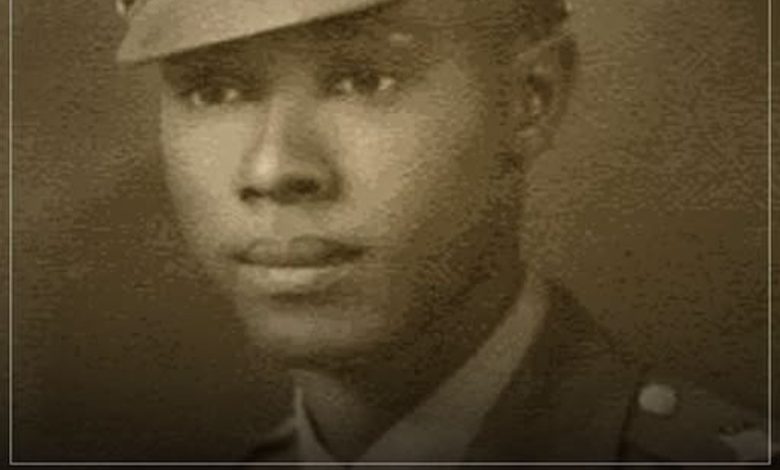
In the red clay hills near Selma, Alabama, a young boy named Mac Ross spent his days gazing up at the vast expanse of blue above him. He would watch the birds glide effortlessly through the sky, their freedom igniting a spark of desire within him. Little did he know that one day, he would not only share that sky with them but would earn his place among the clouds in a fighter plane, during the tumult of the Second World War.
Mac’s journey took a pivotal turn when his family ventured north to Dayton, Ohio, in search of better opportunities. It was there that his resolute spirit began to take shape. Graduating from Roosevelt High School was an accomplishment in itself, but he refused to stop there. In 1940, he earned his degree from West Virginia State University — an exceptional feat for a young Black man in a time rife with social constraints. However, Mac was not one to follow the beaten path. When the U.S. Army Air Corps announced its first class for African American pilots, Mac was quick to step forward, driven by an insatiable passion to break barriers. He became one of only five men selected in that historic first group, soon to be heralded as the Tuskegee Airmen.
At Tuskegee Army Air Field, amid the clamor of military preparations and the uncertainty of war, Mac met Abbie Voorhies, a nurse whose gentle heart mirrored the compassion he felt for his fellow men. Their love blossomed in the shadows of uncertainty, and they exchanged vows in a small ceremony in 1943, a beacon of hope against a backdrop of turmoil. Just as their lives were entwined, so too would their fates be tested when Mac was dispatched overseas to serve with the celebrated 332nd Fighter Group.
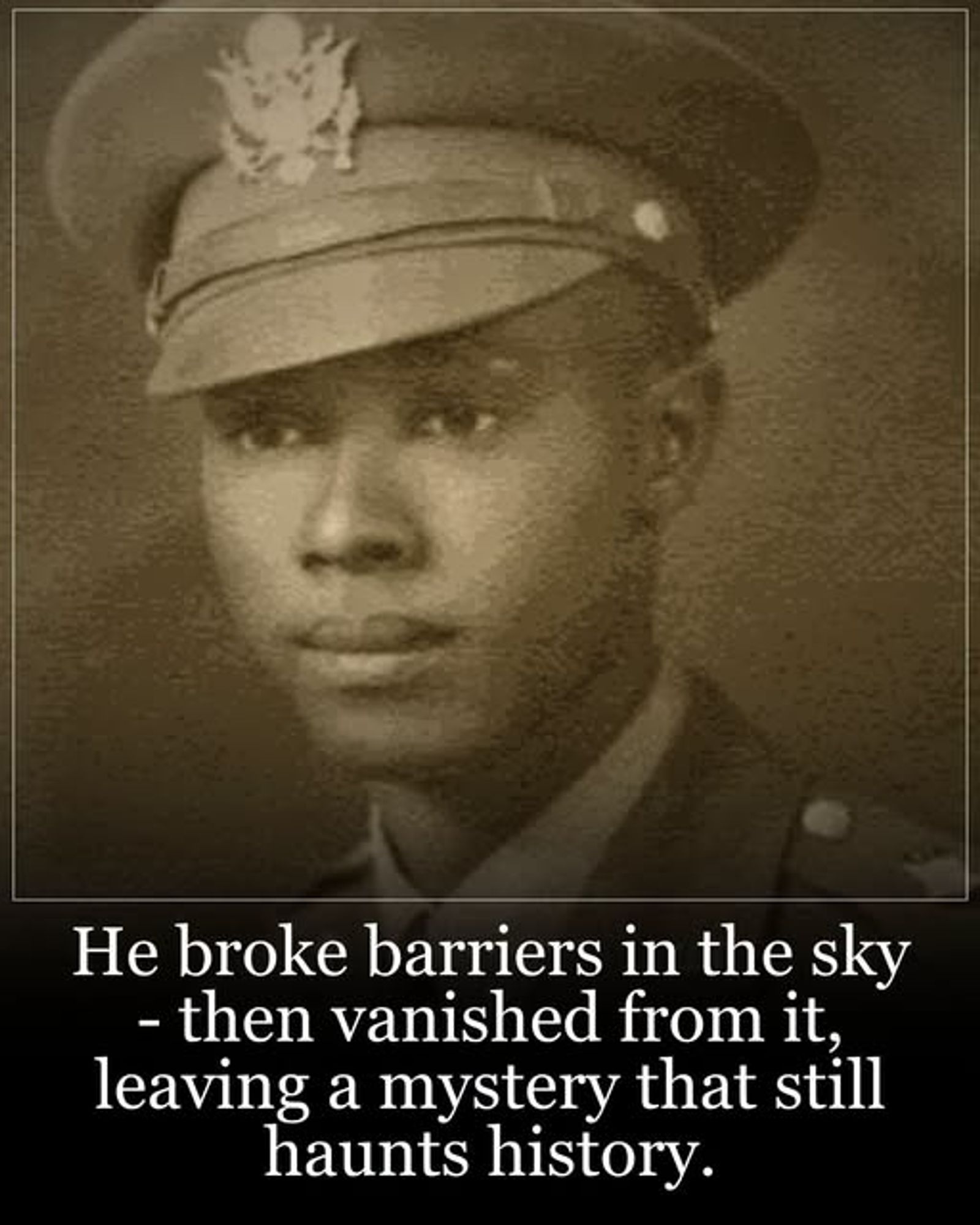
Taking command of the 100th Fighter Squadron, Mac was entrusted with immense responsibility at such a young age. As he flew over the Mediterranean on more than fifty combat missions, he became a symbol of resilience and courage, demonstrating time and again that bravery transcended race and skill knew no limits. He had transformed from that little boy dreaming of the skies to a leader whose very name would resonate in the annals of history.
But on July 10, 1944, tragedy struck. While testing a P-51 Mustang near Foggia, Italy, Mac’s aircraft tragically went down, crashing into a hillside. In the blink of an eye, the world lost a husband, a leader, and a pioneer whose journey had just begun. Initial reports hastily labeled the crash a suicide, a conclusion that his commanding officer staunchly rejected. As whispers of mechanical failure and oxygen system defects surfaced, the specter of uncertainty loomed larger over his legacy.
Just one day later, another Tuskegee Airman met a similar fate, reigniting theories about the possible dangers lurking within the aircraft they flew. Though the truth of that fateful day may never fully surface, Mac Ross’s memory endures as a testament to the extraordinary heights one can reach against all odds. His story reminds us of the power of dreams and the indomitable spirit of those who dare to fly. As we reflect on his life, we honor not just a soldier but a man who dared to soar, leaving a legacy that continues to inspire generations.