The man who became a bridge on the Herald of Free Enterprise
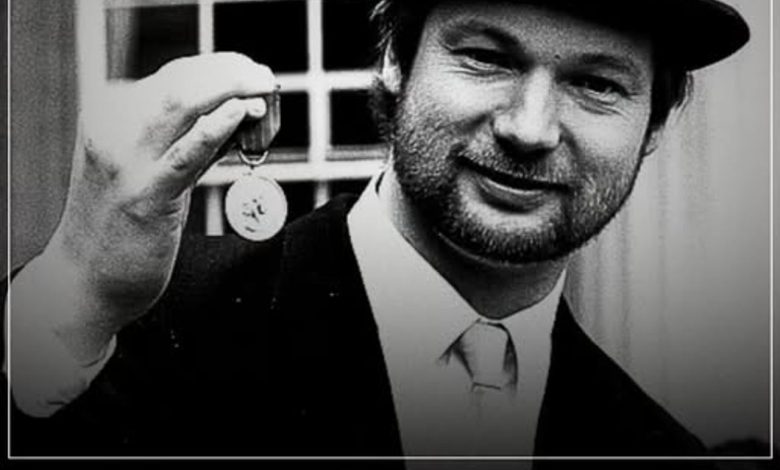
He was on an ordinary trip home when everything changed. On Friday, March 6, 1987, the MS Herald of Free Enterprise left the Port of Zeebrugge, Belgium, carrying families, day-trippers, and sleeping children across the English Channel toward Dover. It was the sort of crossing many passengers had done before without a second thought. Then, within moments, the ordinary became unthinkable.
The ferry had sailed with its bow doors still open. As the ship gathered speed, seawater surged into the lower vehicle deck and the vessel began to list. The roll came with terrifying speed. In less than 90 seconds, the ship capsized in the shallow water just outside the harbor, throwing passengers into a world turned sideways. Corridors became vertical shafts. Luggage and furniture crashed in every direction. Black, freezing water rose where people had been walking only moments before.
Among those trapped inside was a 6-foot-4-inch bank worker from South London, traveling with his wife and 12-year-old daughter. In the confusion and darkness, he found himself upright on what had become a wall, searching for a way out. Above him was a rope and the promise of air, but between him and that escape was a gap too wide to cross safely. On the other side were his wife, his daughter, and other frightened passengers, all stranded with no ladder, no plank, and no time to think.
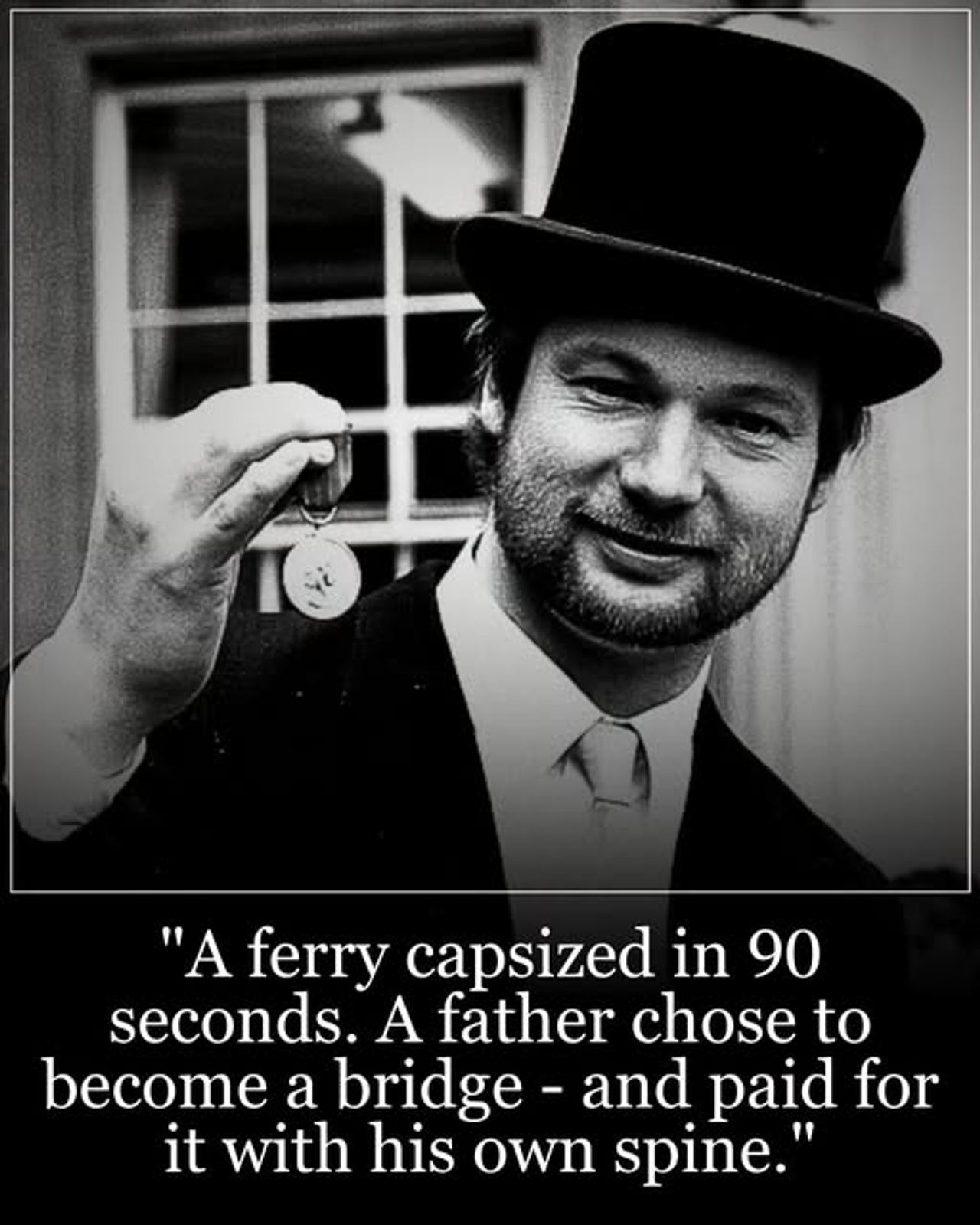
So he did something simple and extraordinary. He lay down across the gap, bracing himself between two metal rails, his body stretched like a bridge over rising water. Then he shouted for the others to climb over him. One by one, people did. His wife went first, later saying she was terrified the rails would fail and take them both into the freezing water. But there were others behind her, and that urgency carried her forward. In that moment, survival depended on a stranger turning himself into a path.
More than twenty people would later owe their lives to that act. Yet he never fully explained why he did it. Perhaps because the answer was there in the moment itself: someone had to move first, someone had to hold still long enough for others to pass. In disasters, heroism is often described in grand language, but this one was made of muscle, fear, and a refusal to let go.
The story of the Herald of Free Enterprise is remembered for its terrible speed and the lives it took, but it is also remembered for this quieter fact: amid panic and darkness, one man chose to make room for others. He did not rescue people with a speech or a plan. He rescued them with his own body, laid across the void, and in doing so showed that even in the worst moments, human decency can still become the thing that carries us through.