The Love Song That Turned Confusion Into One of Pop’s Most Timeless Promises
The title was supposed to be temporary.
Cyndi Lauper had spotted a movie title in TV Guide and borrowed it while she and Rob Hyman worked on a song. She expected to replace it. But whenever she tried, the new words felt wrong.
“Time After Time” stayed.
So did the promise at its center: when someone loses their way, love can mean remaining within reach.
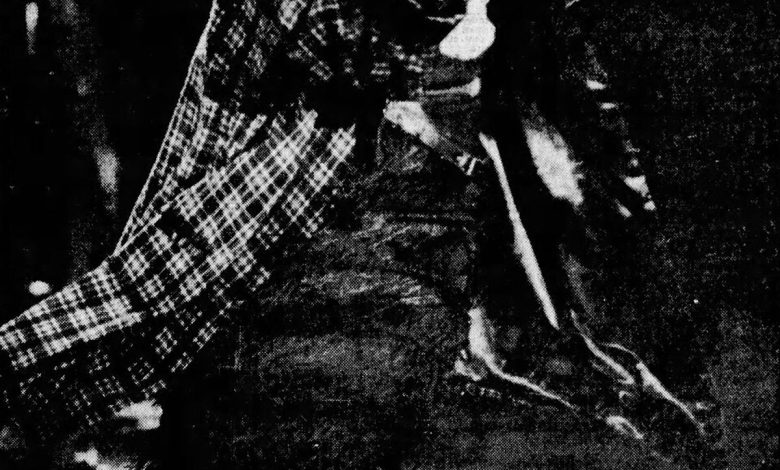
Cyndi Lauper in concert, pictured in The Roanoke Times on December 3, 1984. Photo: Wayne Deel / The Roanoke Times, via Wikimedia Commons; listed as public domain in the United States.
The song came near the end of the work on She’s So Unusual. Hyman later recalled that producer Rick Chertoff wanted another track even though the musicians felt they already had an album. That request brought a quieter kind of statement into a record full of personality.
Lauper could be exuberant, funny, and unmistakable. Here, she was unmistakable without needing to be exuberant.
In a Library of Congress interview, she described writing with Hyman as a process of talking freely and gathering details from life. His relationship troubles became part of their material. So did an irritatingly loud clock and Chertoff’s watch running backward.
Small things became emotional scenery.
That is one reason the verses feel inhabited. They do not begin with a grand declaration about eternal love. They offer the unsettled atmosphere around it: wakefulness, memory, distance, and the difficulty of moving in step with another person.
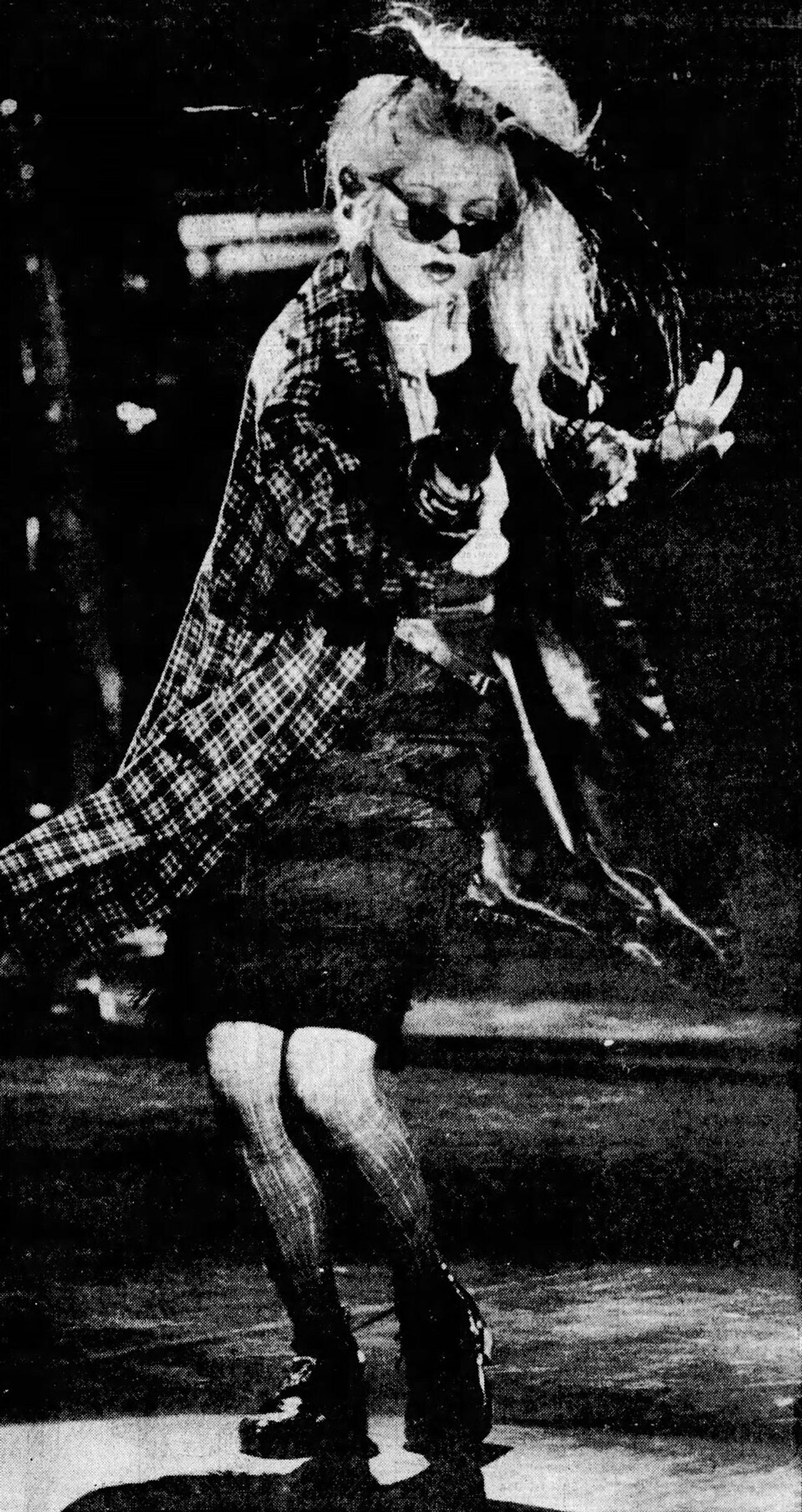
Then the chorus makes room to breathe.
It does not require the person being addressed to have everything figured out. Its reassurance is useful precisely because confusion has already entered the song. Love is presented less as a perfect state than as a response to another person’s vulnerability.
The recording protects that idea through its simplicity. In an interview with Roland, Hyman remembered moving straight into recording rather than making a separate demo, and described Lauper’s vocal as either a first take or close to one. His recollection suggests how much of the performance’s freshness survived the studio process.
You can hear why that matters. Lauper does not sound as though she is delivering a speech she has polished until every trace of uncertainty is gone. The phrasing has tenderness, but also a slight sense of exposure. Reassuring somebody can make the person offering reassurance vulnerable too.
Cyndi Lauper in a 1984 publicity photograph. Photo: John Bellissimo / Portrait Records, via Wikimedia Commons; listed as public domain in the United States.
That tension keeps the song from becoming merely sentimental.
For one listener, it may belong to a first romance. For another, it can suggest a parent waiting up, a friendship that survived distance, or a partner who remained steady through a difficult year. The recording leaves enough space for those associations without naming them for us.
Return to it and notice the difference between the restless verses and the steadiness of the refrain. The comfort is not there because nothing has gone wrong. It is there because something might.
An almost-finished album needed another song. A borrowed title needed replacing.
Instead, Lauper and Hyman found words that still feel like someone leaving a light on.

Listen to the recording
Continue reading
The Heartbreak Song That Had to Wait Years to Become a Hit
John Oates had plans for New Year’s Eve. The woman he was waiting for never arrived.
What he picked up instead was a guitar.
That small, disappointing evening would help begin a song with a much bigger life. But the finished recording had a wait of its own ahead of it: Hall & Oates released it before they had the audience that would eventually embrace it.
The song was “She’s Gone.”
Daryl Hall and John Oates in a 1976 RCA publicity photograph for Bigger Than Both of Us, the year their earlier recording became a US Top 10 hit. This is not a photograph of the 1973 recording session. Via Wikimedia Commons; listed as public domain in the United States.
Oates later recalled the missed date in interviews, describing the first idea as a simple, folk-like lament. Daryl Hall then joined the writing, adding the piano figure and helping develop the unfinished idea into a song. Their collaboration turned a private disappointment into something neither man had to carry alone.
There was more than one emotional history feeding the music. In a 2011 interview, Oates remembered that both musicians had been dealing with separations. The song was not a literal report of a single evening. It grew into a wider picture of loneliness.
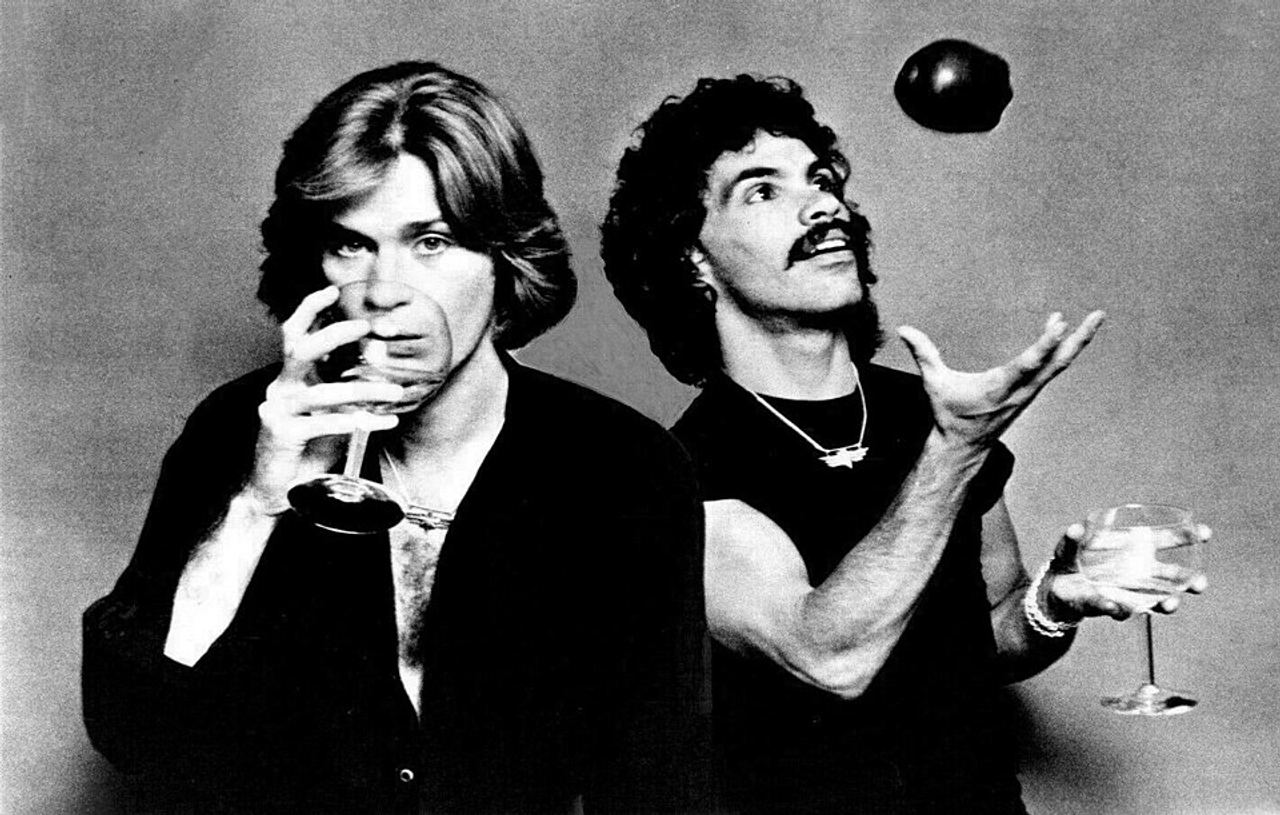
That distinction helps explain its reach.
The person who inspired the first idea is not somebody the listener needs to know. The feeling is familiar enough: an expected presence becomes an absence, and suddenly ordinary surroundings seem to have changed their meaning.
Hall & Oates put the song on their 1973 album Abandoned Luncheonette. Producer Arif Mardin and the studio players gave it a scale far beyond the guitar idea Oates had started with. The arrangement is rich, but it never loses its connection to the uneasy human voice at the center.
Listen to how patiently it develops. The opening doesn’t demand that you feel everything immediately. There is movement, there is space, and then the voices begin to push against the restraint. When the emotion rises, it feels like something the song has been holding back rather than something added for effect.
Yet a persuasive record is not automatically an immediate hit.
Its first American chart run peaked at No. 60 on the Billboard Hot 100. That wasn’t no audience at all, but it was a long way from the recognition the recording would later receive.
The story might have ended there. Instead, the composition found another route forward.
Daryl Hall and John Oates in a separate 1980 RCA publicity photograph for Voices, shown later in their career. Via Wikimedia Commons; listed as public domain in the United States.
Tavares recorded it and reached No. 1 on the R&B chart in 1974. Another group’s voices helped demonstrate how naturally the song could speak through soul music. Hall & Oates’ own breakthrough with “Sara Smile” followed in 1976, and Atlantic brought their earlier recording back into circulation.
This time, “She’s Gone” reached No. 7 on the Hot 100.
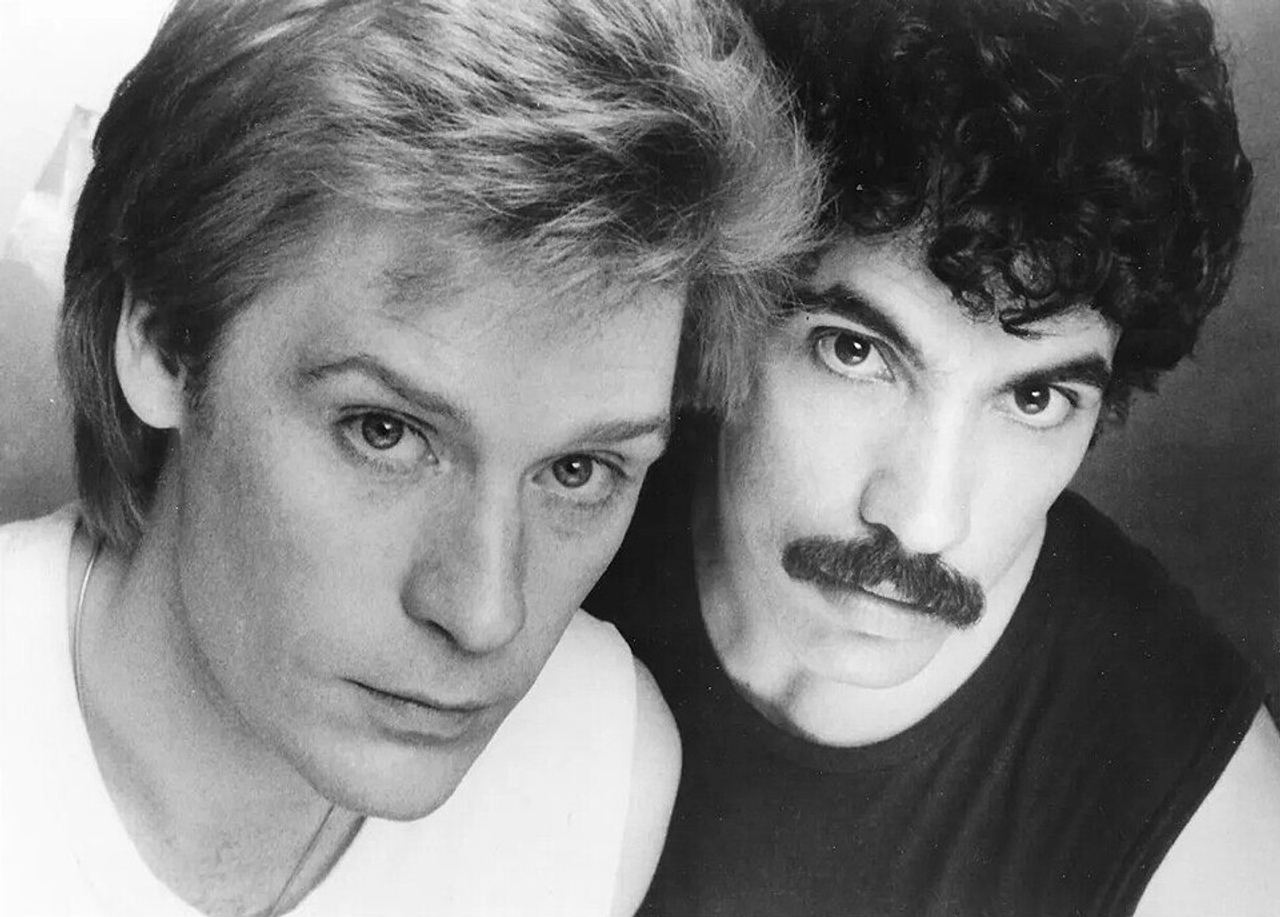
The important change wasn’t that a failed song had finally been rewritten into a good one. An existing recording was meeting listeners under different circumstances, with the duo now far more visible.
There is a poignant contrast between that history and the music. The record received another opportunity. The person inside the song cannot be so sure that what has been lost will return.
Perhaps that is why the success story doesn’t make the performance any less sad. Knowing it became a hit doesn’t resolve the feeling you hear when the voices rise.
Return to the full recording and let it take its time. The familiar refrain is only part of its power. The gradual build lets you hear how a quiet disappointment can become something much harder to contain.
One evening, Oates waited for someone who did not come.
Years later, the music that began in that absence finally found more of the people who needed to hear it.
Listen to the recording
The Hidden Whisper Inside One of Rock’s Most Haunting Classics
There is more than one Jim Morrison vocal inside “Riders on the Storm.”
One carries the melody. Another whispers underneath it, close enough to change the atmosphere without always drawing attention to itself.
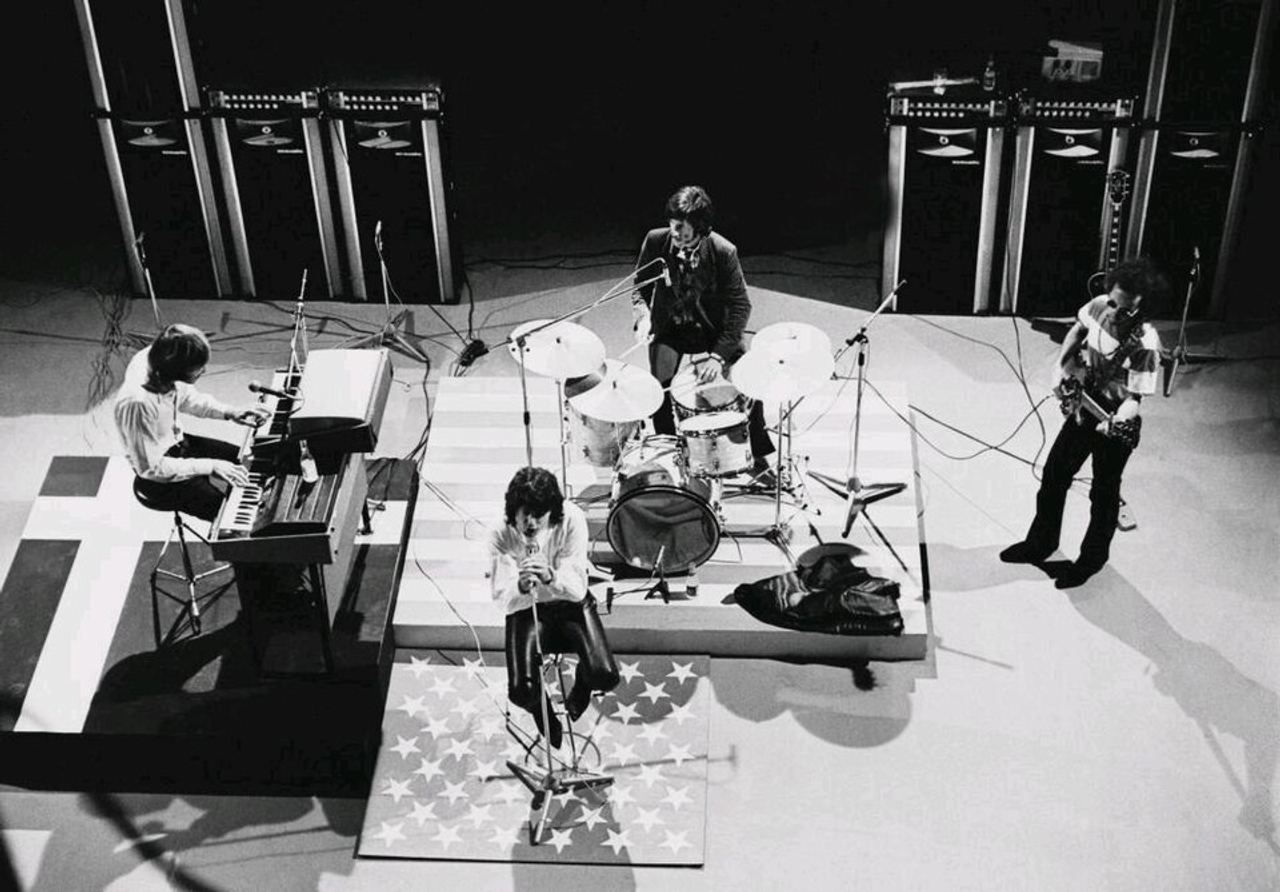
Once you notice that second voice, the recording becomes harder to hear in quite the same way.
It is not a supernatural sound. It is a studio decision. Yet few overdubs have acquired such an unsettling relationship with the life that followed them.
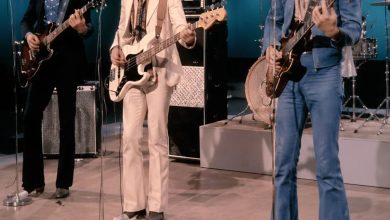
The Doors performing for Danish television in Copenhagen on September 17, 1968. An earlier performance, not a Riders on the Storm session. Photo: Jan Persson / Polfoto, via Wikimedia Commons; listed as public domain in Denmark and the United States.
The song closes The Doors’ 1971 album L.A. Woman, recorded with engineer and co-producer Bruce Botnick after longtime producer Paul Rothchild left the project. Much of the album took shape in the band’s own rehearsal space rather than a grand studio.
The setting was practical. The result feels almost without walls.
Rain opens a space around the instruments. Ray Manzarek’s electric piano seems to fall through it in small, luminous patterns. The rhythm moves steadily underneath, while Morrison delivers his phrases with a calm that does not quite reassure you.
The lyric gives that calm something disturbing to carry: danger on the road, human vulnerability, and an appeal for love within the same musical landscape.
It never becomes a straightforward crime story. The threatening figure is part of a wider unease. The listener is invited into a beautiful sound while being reminded that beauty offers no guarantee of safety.
Botnick later recalled that Morrison suggested adding rain and thunder. The effects are not simply decoration around an already finished song. They help establish the space in which the listener encounters it: enclosed by sound, but exposed to whatever might be approaching.
Then there is the whisper.

Ray Manzarek later remembered that overdub as Morrison’s final recorded vocal. That is a bandmate’s retrospective account, not a reason to claim that Morrison consciously recorded his own farewell. What can be said without that leap is that this was among the closing work of his recording career with The Doors.
Morrison left for Paris before the album’s release. He died there in July 1971, aged 27.
The Doors in the photograph used for Morrison Hotel, reproduced in a February 1970 advertisement. This image predates L.A. Woman. Photo: Henry Diltz / Elektra Records, via Wikimedia Commons; listed as public domain in the United States.
The sequence changed what listeners could hear in the music. A quiet additional vocal, made during a living band’s work on a new record, could now sound like a presence receding beyond reach.
That feeling belongs to hindsight. There is no need to turn it into a prediction to find it moving.
Listen again with attention to the space beneath the main voice. The whispered layer does not fight for prominence. It remains near the edge of awareness, giving the singer an almost doubled presence: clear in one place, elusive in another.
The recording’s power lies partly in that balance. It is meticulously made, yet it leaves the listener uncertain. The groove carries you forward even as the atmosphere makes you hesitate.
The song finishes. The voice has stopped.
But for a moment afterward, silence can feel less empty than it did before you pressed play.
Listen to the recording
Read more stories
- A Woman Made Fun of My 83-Year-Old Mom at Checkout – Then the Cashier Locked Her Register and Said, ‘Nobody Leaves’
- Swedish Meatball Noodle Bake
- My Husband Blamed Me for Years for Giving Birth to a Disabled Son – On His 18th Birthday, My Son Gave a Speech That Left Everyone Shocked
- Cheesy Potato Rounds