The Night That Changed Everything: When the Eagles, Linda Ronstadt, and Jackson Browne Shared a 1974 Stage


A stage built for a scene in transition
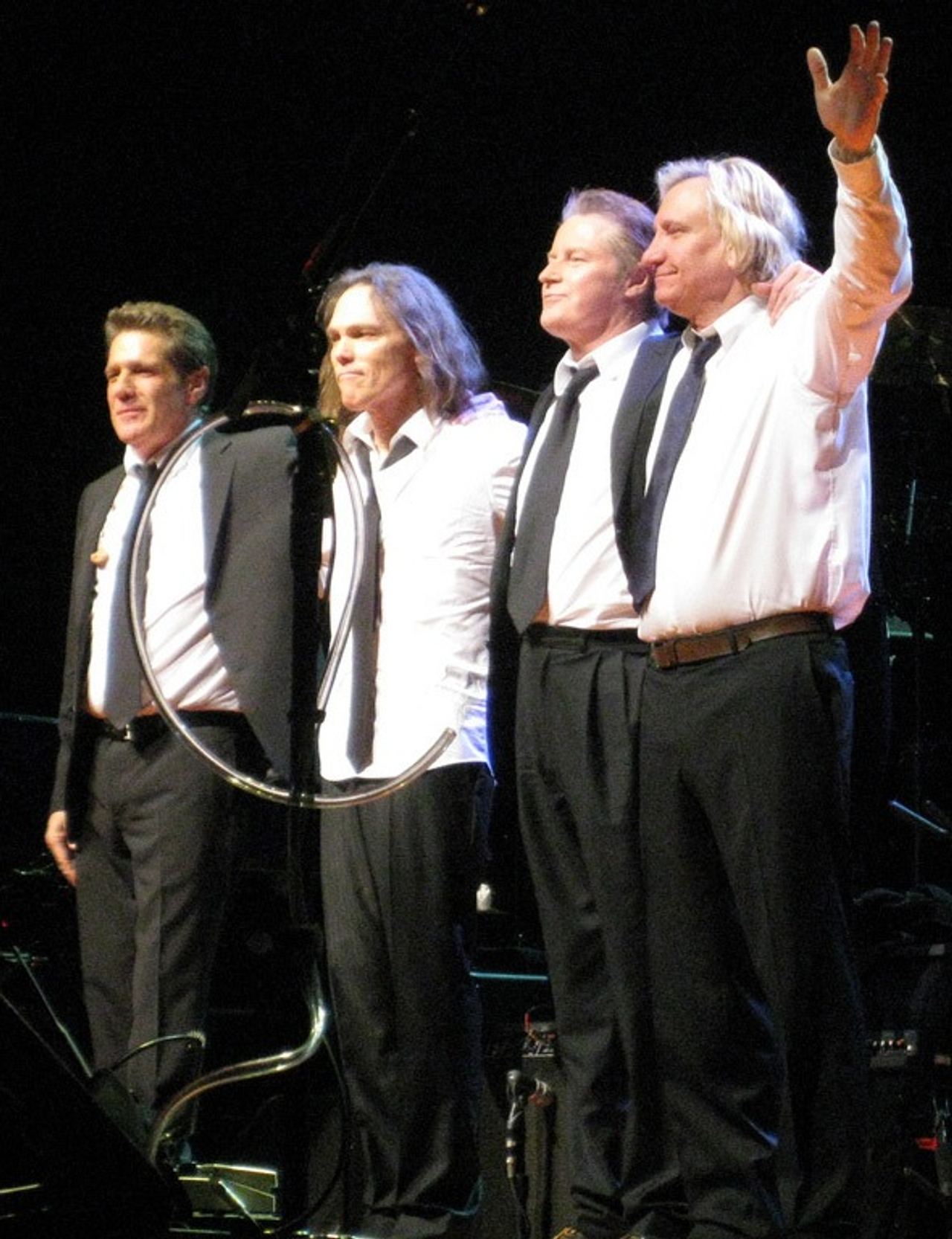
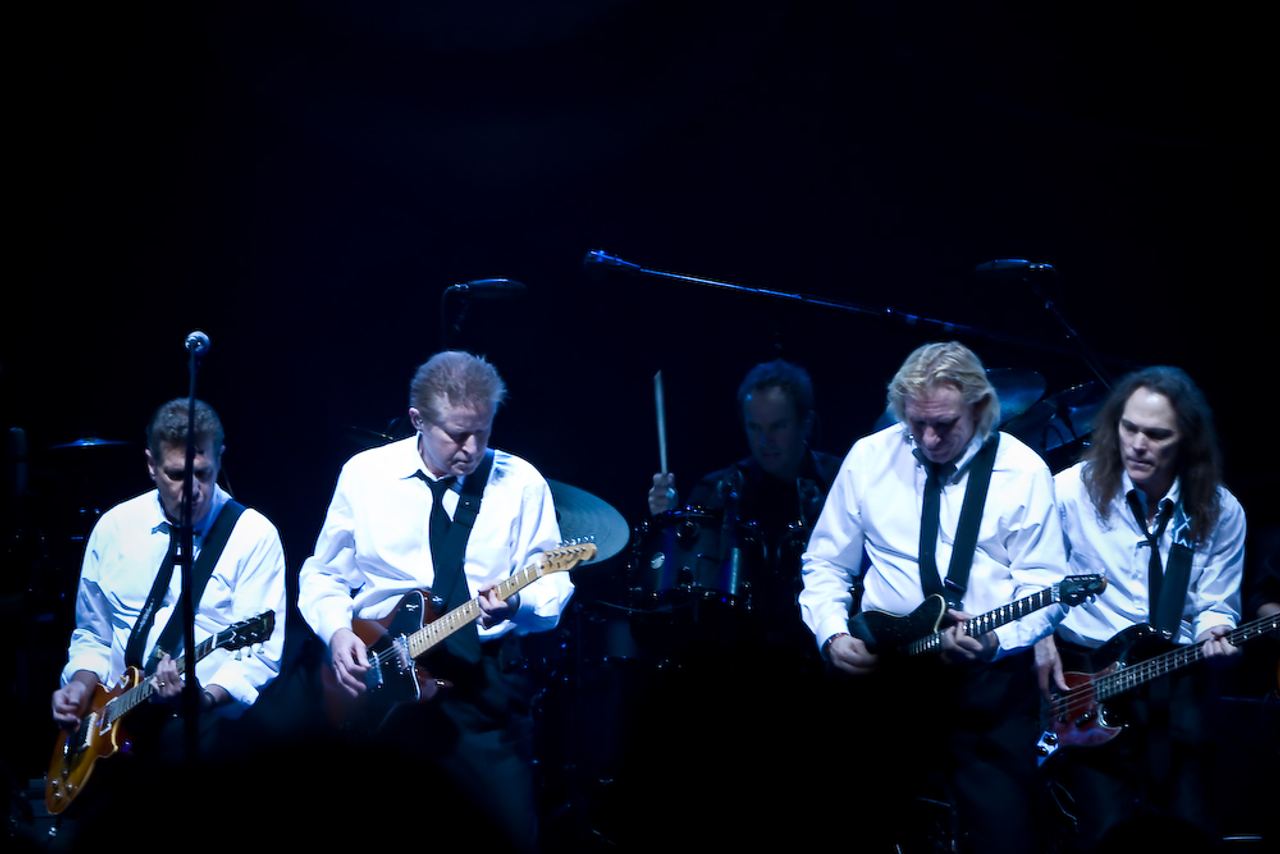
On April 13, 1974, the Eagles appeared on Don Kirshner’s Rock Concert at the Santa Monica Civic Auditorium with Linda Ronstadt and Jackson Browne, a bill that now reads like a shorthand history of the Southern California sound. It was more than a convenient TV booking. It brought together artists who shared musical roots, professional ties, and a common role in shaping what listeners came to know as West Coast rock.
What makes the performance so enduring is its timing. The Eagles were promoting On the Border, the album that marked a clear shift in their identity. Their music still carried the harmony-rich ease and country-rock polish that had made them stars, but there was a new edge in the arrangements and attack. On television, in front of a live audience, that transition became visible as well as audible.
It was the rare concert moment that felt like both a summit meeting and a turning point: familiar voices, tightening tempos, and a band discovering how much harder it could hit.
The Eagles at a crossroads
By the time the group opened with “Peaceful Easy Feeling,” the audience was hearing a band that already knew how to deliver its signature blend of melodic songwriting and immaculate harmonies. That song represented the Eagles many fans first embraced: reflective, tuneful, and steeped in country-rock warmth. But in the context of On the Border, it also sounded like a reminder of where they had started before pushing toward something leaner and more muscular.
That tension is what gives the 1974 performance its charge. The Eagles were not abandoning their roots so much as testing how far they could stretch them. The songs retained their craftsmanship, but the live setting emphasized drive, rhythm, and a sharper rock presence. Seen now, the set captures a band in motion rather than at rest, still connected to its early identity even as it edged toward the larger arena sound that would define the next phase of its career.
Why Linda Ronstadt and Jackson Browne mattered on the same bill
Linda Ronstadt and Jackson Browne were not incidental additions to the program. Their presence reinforced how interconnected this musical world really was. Ronstadt was central to the rise of Los Angeles country-rock, a singer with both interpretive precision and emotional force, and her professional history with members of the Eagles is part of the larger story of how that scene developed. Browne, meanwhile, brought a songwriter’s intelligence and introspective style that helped define the era’s most enduring California records.
Together, the three acts represented different strengths within the same movement. The Eagles embodied harmony-driven bandcraft and growing commercial momentum. Ronstadt brought vocal authority and stylistic range. Browne offered lyrical sophistication and a sense of intimate, lived-in storytelling. On one stage, those qualities formed a vivid portrait of a regional sound that had become a national one.
Television turned a concert into a document
Because the show was recorded for Don Kirshner’s Rock Concert, this was not simply a strong night on tour that lived on only in memory. It became a document. In the 1970s, television performance programs played a crucial role in translating the energy of live rock into something audiences across the country could see, replay in memory, and fold into the mythology of the artists involved.
That matters especially for a performance like this one, which sits at the intersection of scene history and band evolution. A local concert can be legendary to those who were there. A broadcast concert can become a reference point. The Santa Monica appearance endures because it offers a direct glimpse of how these performers sounded and carried themselves at a moment when their reputations were still being built in real time.
The West Coast sound, distilled
It is easy, with hindsight, to compress the 1970s California rock boom into a set of clichés: sunlit harmonies, denim, acoustic guitars, bittersweet songs about freedom and distance. What this performance shows is the greater complexity underneath. The sound was not static. It could be soft-edged and reflective one minute, urgent and electric the next. It held country traditions, folk songwriting, rock rhythm, and pop accessibility in a delicate but highly effective balance.
That is why this particular lineup feels so symbolic. The Eagles, Ronstadt, and Browne did not merely represent commercial success; they illustrated the internal diversity of a movement often described too simply. Their music shared a geography and a sensibility, but each brought a different emotional register and artistic emphasis. Put together, they offered a fuller map of what the West Coast sound actually was.
Why the night still resonates
The phrase “the night that changed everything” can be overused, but in this case it points to something real, even if the change was gradual rather than sudden. The April 1974 show did not invent the California sound, nor did it instantly transform the Eagles into the band they would later become. What it did do was capture a threshold moment: one group toughening its approach, one television platform preserving the evidence, and three major artists embodying an era’s creative peak.
For fans, the appeal is obvious. The performance offers nostalgia, musicianship, and a dream lineup. For anyone interested in rock history, its importance runs deeper. It reveals how scenes are made not only by records, but by shared stages, overlapping careers, and public moments when separate trajectories briefly align. In Santa Monica that night, live music did what it does at its best: it froze change in the act of happening.
Quick Facts
- Date: April 13, 1974
- Venue: Santa Monica Civic Auditorium
- Program: Don Kirshner’s Rock Concert
- Artists: The Eagles, Linda Ronstadt, Jackson Browne
- Eagles album in promotion: On the Border
- Opening song mentioned: Peaceful Easy Feeling
Image credits: user:AngMoKio / Wikimedia Commons / CC BY-SA 2.5; Jorge isury, cropped by Senhordopoder / Wikimedia Commons / CC BY-SA 3.0; Steve Alexander / Wikimedia Commons / CC BY-SA 2.0.