The Quiet Heroism of Leslie ‘Bull’ Allen: A Soldier’s Legacy
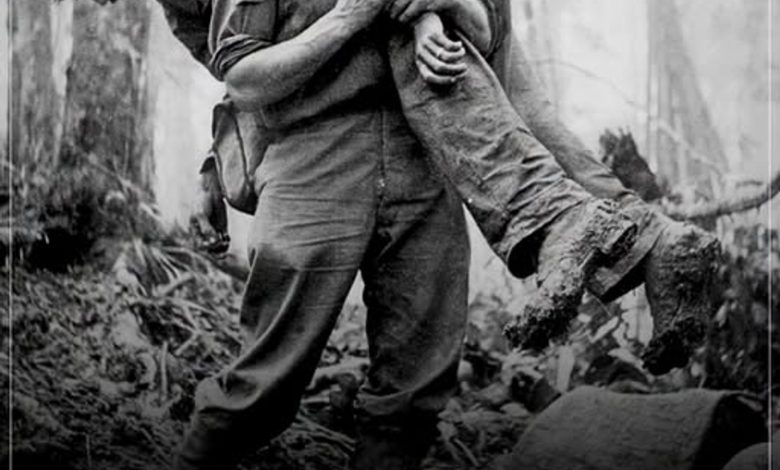
In the sweltering jungles of New Guinea during the fierce fighting of 1943, a battle raged on the steep slopes of Mount Tambu. It was a chaotic scene, filled with the deafening sounds of gunfire and the anguished cries of wounded soldiers. The heat was oppressive, and the air thick with insects, making the already dire situation feel even more unbearable. American forces, struggling to advance, were met with relentless enemy fire, and as the attack faltered, men lay scattered across the muddy ground, vulnerable and desperate for rescue. The cries for help were haunting, echoing through the dense foliage, but the risks were immense, and many who tried to assist were cut down before they could reach the injured.
Amongst the chaos stood Leslie Allen, a man whose imposing presence earned him the nickname “Bull” from his comrades. He was a giant of a man, not just in stature but in spirit, known for his infectious laughter and his prowess on the rugby field back in Australia. As he watched the tragedy unfold from below, something deep within him stirred. No one gave him orders; there was no formal call to action. Yet, as if compelled by an invisible force, Bull rose from his position and began his ascent up the perilous hill under a hail of bullets.
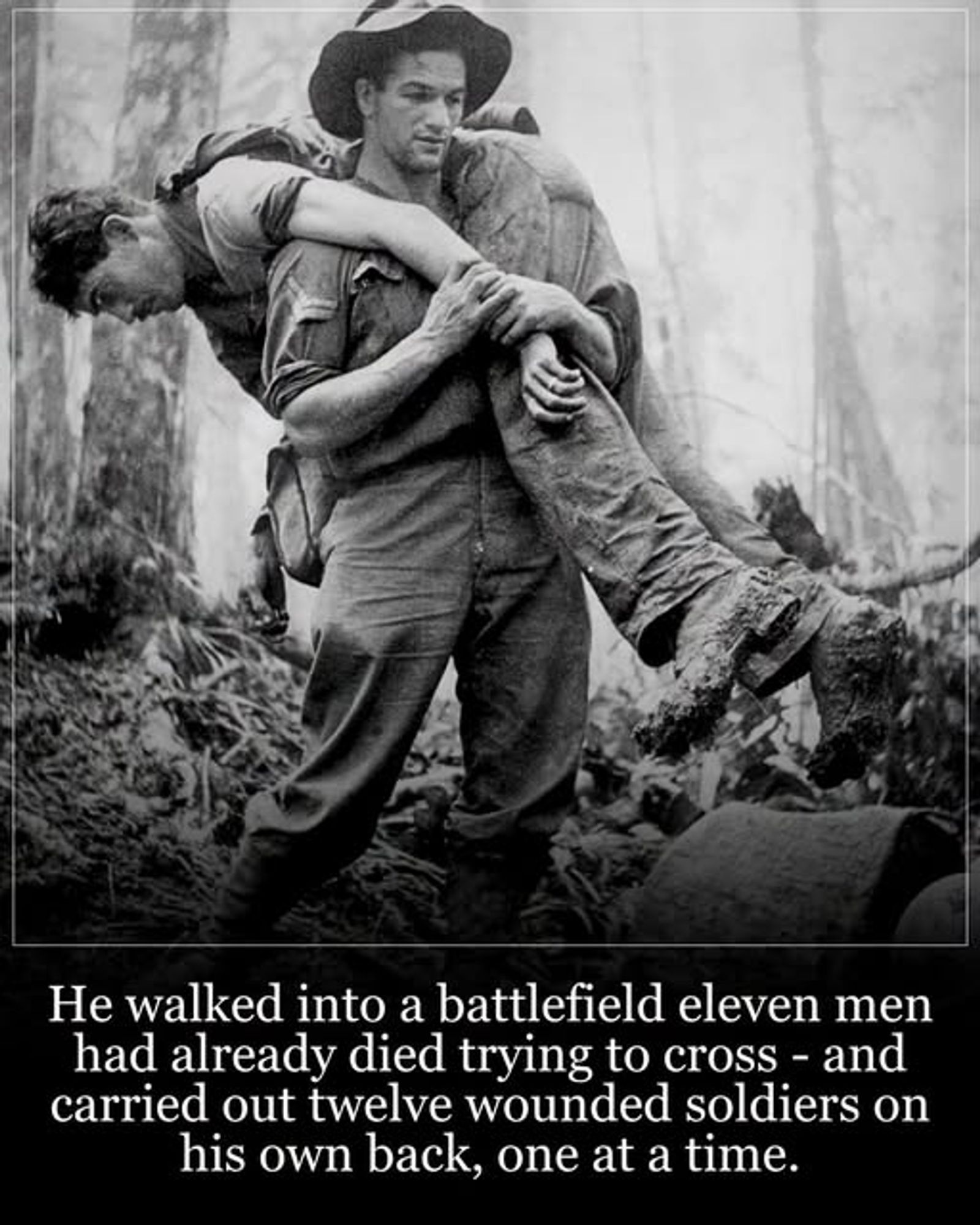
With each step, he faced the brutal reality of war, the knowledge that every moment could cost him his life. Yet he pressed on, his focus singular: finding the wounded and bringing them back to safety. He reached the first soldier, lifted him onto his shoulders, and navigated the treacherous descent. Then he turned back, determined to save more. Again and again, he made the trek, defying the odds and the fears that gripped his fellow soldiers. His comrades watched in awe, some placing quiet bets on whether he would return each time. Twelve times he climbed that hill, each time returning with another life rescued until his own body finally succumbed to exhaustion at the foot of the hill.
Bull Allen’s bravery was recognized with the United States Silver Star, an honor that spoke volumes about his courage and selflessness in the face of unimaginable danger. Yet the mountain had exacted a toll on him that no medal could ever compensate. After the war, Bull found himself grappling with the unseen scars of combat, the burdens of memory weighing heavily on his heart. By the end of that year, he was discharged, a changed man walking away from the battlefield but carrying its wounds within.
Back home in Ballarat, he found solace in the mundane yet profound rhythms of civilian life. He married a former army nurse, a partnership rooted in shared experiences and compassion. Together, they raised a family, and Bull dedicated himself to a life of quiet service at the local hospital. The instinct that had propelled him up that hill remained, morphing into a lifelong commitment to care for others, to be there for those in need, even if it was in the small, everyday moments that often go unnoticed.
Throughout his life, Bull never sought recognition for his actions or the title of hero. His greatest legacy was perhaps not in the accolades he received but in the kindness he offered in his community. He continued to embody a profound truth about courage: it is not the absence of fear that defines bravery, but the relentless choice to step forward, time and again, to assist those who need it most. In this, Bull Allen’s story transcends the battlefield, serving as a testament to the enduring spirit of compassion and the quiet heroism found in the everyday acts of kindness.