The role William Holden almost missed changed everything
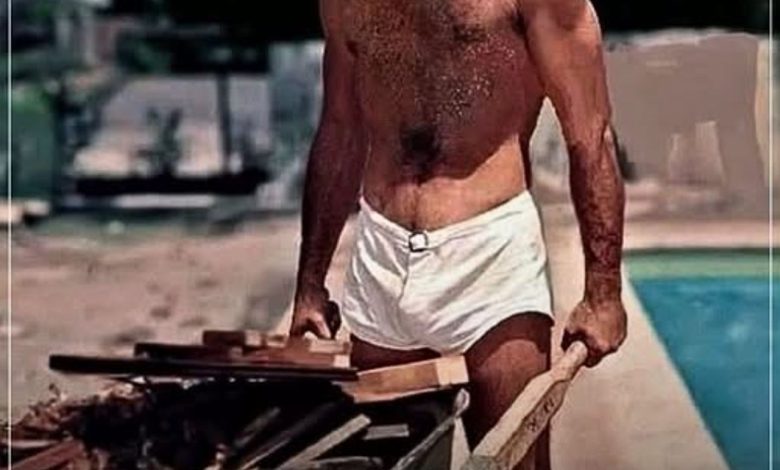
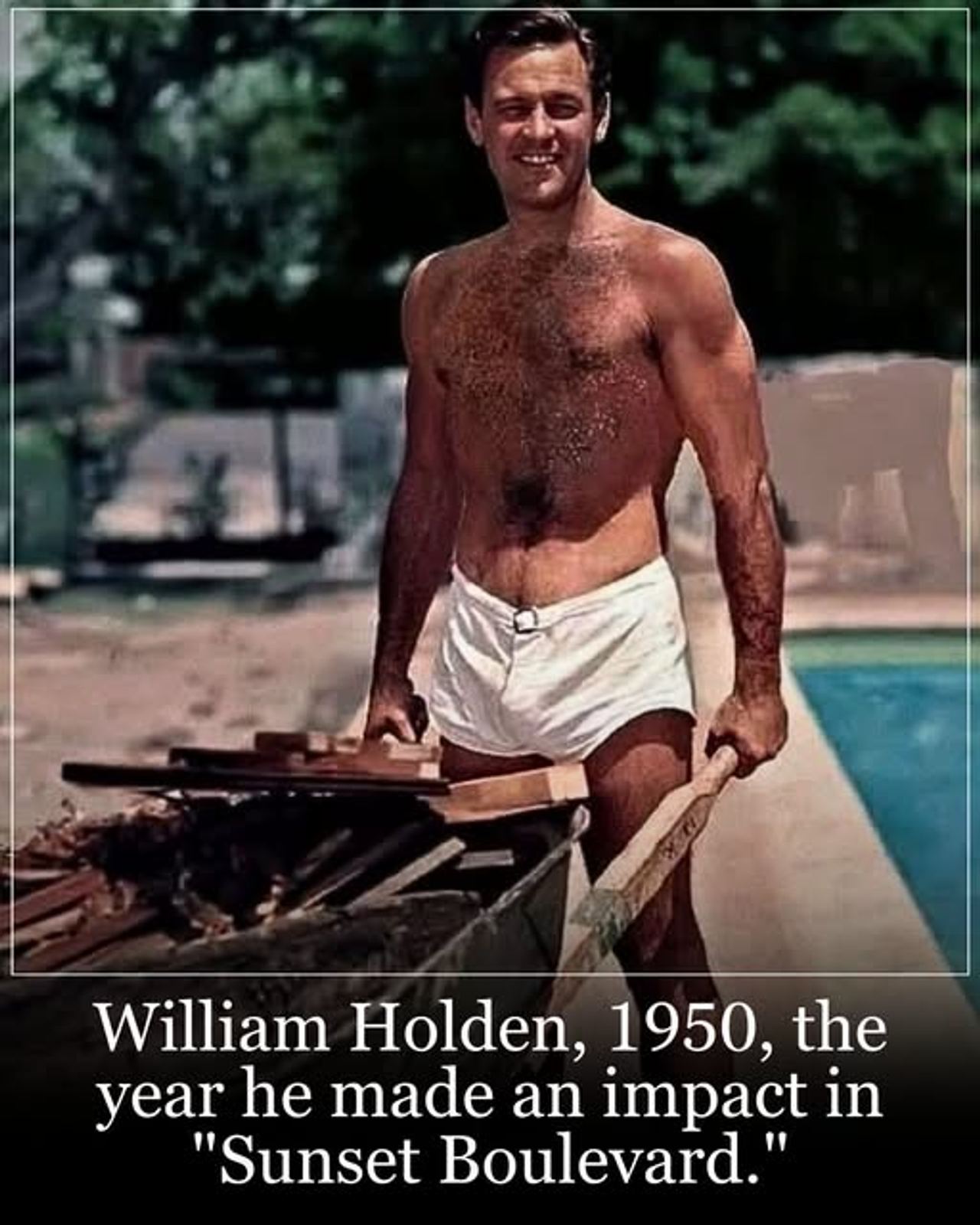
By 1949, William Holden was one of those names Hollywood knew well but did not always chase first. He had already enjoyed one breakout moment a decade earlier, yet the years that followed brought a long run of films that did little to make him a sensation again. He was steady, dependable, familiar. In an industry that prized the newest face in the room, that could mean being overlooked just as easily as being employed.
Then came Sunset Boulevard, the film that would alter his place in movie history. Director Billy Wilder had already cast the lead role with Montgomery Clift, one of the most exciting young actors in America. But weeks before filming, Clift stepped away. The script was too close to something personal, too tangled with his own life to take on so soon. Wilder suddenly had a project ready to go, a start date closing in, and no star to carry it.
He turned to Holden not because he seemed inevitable, but because he was there, and because Wilder saw in him something subtler than glamour. There was weariness in Holden, and a way of looking as if he understood what it meant to keep moving even while life quietly narrowed around him. That quality fit Joe Gillis, the broke screenwriter at the center of the story, a man drifting into the orbit of Norma Desmond and slowly surrendering more of himself than he realizes.
Norma, played by Gloria Swanson, is a once-famous silent film star who still believes a comeback is only a phone call away. What begins as a practical deal — Joe will help with her script, and she will cover his debts — turns into something far more unsettling. The film opens with Joe already dead, telling his own story from beyond the grave, then circles back to show how he reached that fateful ending. For audiences in 1950, the structure alone felt startlingly new.
Holden was 31 when he made the film, while Swanson was 52. But the age gap was never about romance in any simple sense. It sharpened the movie’s real subject: the dangerous pull of ambition, fantasy, and the need to be seen. Sunset Boulevard was not just a story about two lost people crossing paths. It was about the cost of attaching yourself to another person’s dream when your own life has already begun to slip away.
The film became one of Hollywood’s most acclaimed works, and Holden, the actor who had not been anyone’s first choice, became unforgettable. There is something moving in that kind of turn, the way a career can change not through careful planning but through accident, timing, and a director’s instinct. Sometimes the part that reshapes everything is the one you were only supposed to fill in for — the role you happened to be standing there for when everyone else said no.