The Unyielding Spirit of Virginia Hall: A Spy with a Wooden Leg
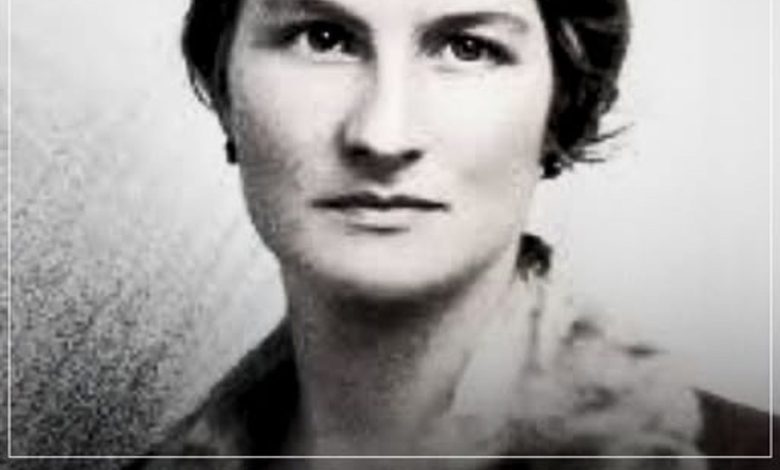
Virginia Hall’s story is one of resilience and audacity, a tale that begins in the comfortable surroundings of Baltimore, Maryland, where she was born into a family that envisioned a different future for her. Their dreams for young Virginia, filled with the hopes of a distinguished diplomat, were abruptly overshadowed by tragedy. In 1933, during a hunting trip in Turkey, an accidental shotgun discharge led to a catastrophic injury that resulted in the amputation of her left leg below the knee. Instead of surrendering to despair, Virginia embraced her new reality with remarkable determination, crafting a new identity around her wooden prosthetic, which she affectionately named ‘Cuthbert.’
But her indomitable spirit faced its first true test when she applied to the U.S. Foreign Service. The door to her dreams slammed shut, not just because of her disability but also because the world of diplomacy was largely closed to women. Undeterred, Virginia sought any work she could find in Europe, clinging to the hope that somehow, she might still contribute to the world she loved. Her command of languages and her sharp intellect were not wasted, but the frustration of being sidelined in a male-dominated society gnawed at her.
When the storm of World War II broke over Europe, and France fell to Nazi Germany in 1940, Virginia made a fateful decision that would alter her life forever. Instead of seeking refuge, she moved toward the heart of danger, approaching the Special Operations Executive in Britain. They eyed her with skepticism — a woman, a one-legged woman at that, wading into the treacherous waters of espionage seemed nothing short of ludicrous. Yet, Virginia’s spirit was hard to dismiss. With a fierce resolve, she persuaded them to give her a chance, and in 1941, she slipped into Vichy France under the guise of a journalist.
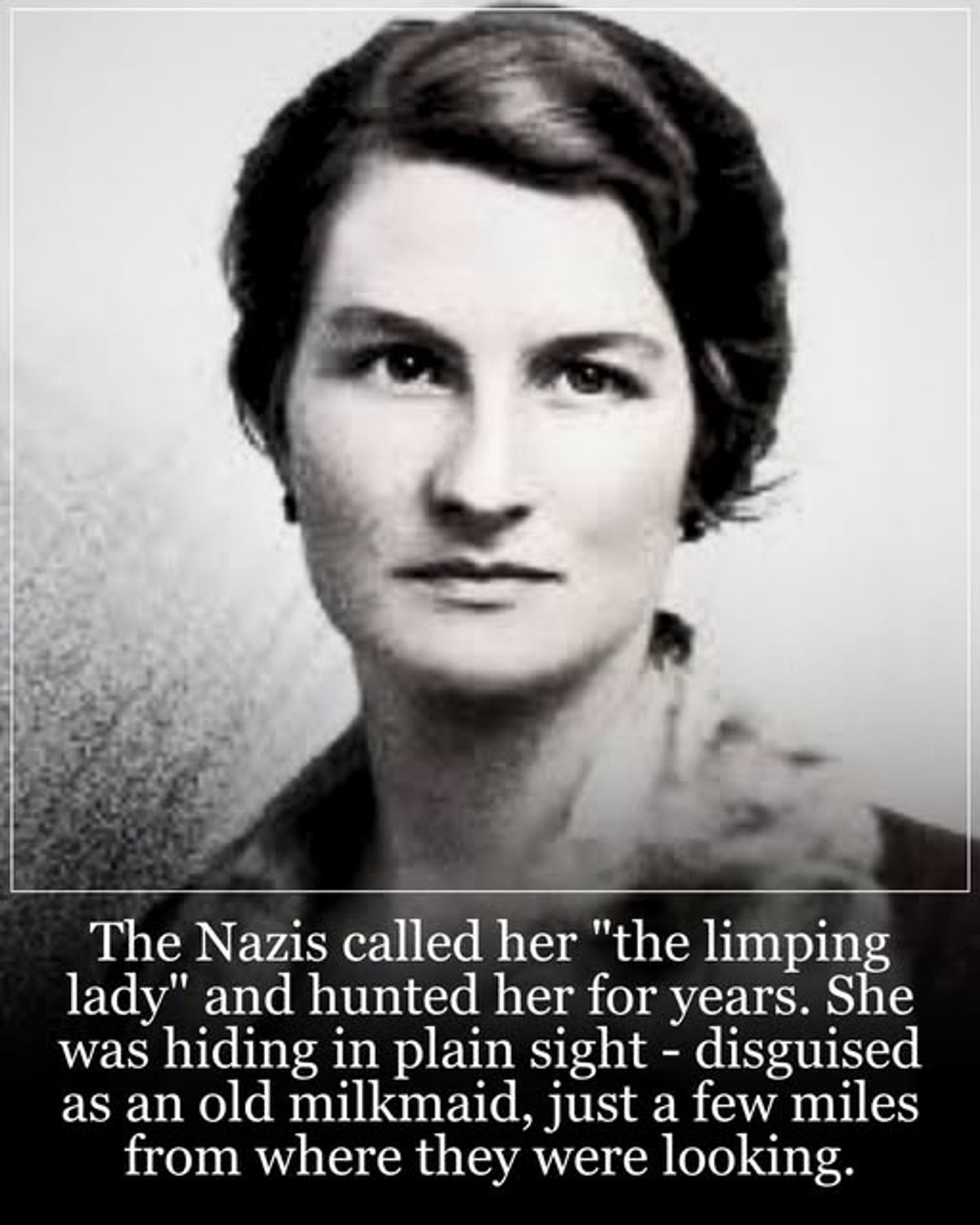
Her efforts as an operative were nothing short of extraordinary. Virginia organized resistance cells and orchestrated daring missions, all while evading the relentless pursuit of the Gestapo. With courage as her compass, she fed crucial intelligence to London and facilitated the escape of downed Allied pilots. Every moment was fraught with danger, yet the thrill of her clandestine work propelled her forward. The enemy was closing in, and the infamous Gestapo officer in Lyon, later known as the Butcher of Lyon, had begun to hunt for the mysterious figure who walked with a limp.
By late 1942, Virginia’s cover was compromised, and she faced her most daunting challenge yet. In the dead of winter, with the Gestapo on her trail, she decided to flee across the treacherous Pyrenees Mountains — a staggering 50 miles of snow and ice, all with a wooden leg she had whimsically dubbed Cuthbert. Halfway through her perilous journey, she managed to radio her handlers in London, sending a message that would resonate with those who knew her: ‘Cuthbert is being troublesome.’ To them, it was a cryptic line, but to Virginia, it was an acknowledgment of the trials she faced, both physically and emotionally.
Virginia Hall’s narrative is one of an unsung hero, a woman who transcended the limitations imposed on her by society and her circumstances. Her journey reminds us that courage is not the absence of fear, but the resolve to face challenges head-on. Even with a wooden leg, she stood taller than many who sought to define her by her disability. In her unwavering fight for freedom and justice, Virginia Hall became a powerful testament to the strength of the human spirit.