The ski patrol, the pill bottle, and a 1944 fight to stay alive
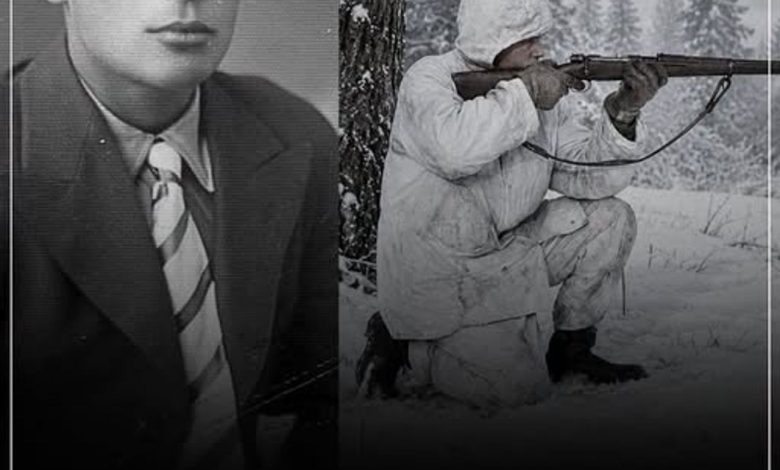
In March 1944, deep in the frozen forests of Finnish Lapland, a Soviet ambush shattered the silence around a small Finnish ski patrol. Gunfire cracked through the trees, snow burst up in hard white sprays, and the men had only moments to decide whether to stand and fight or turn and run. They ran, with Aimo Koivunen leading the way on skis through a landscape that offered no mercy and no easy escape.
As the patrol’s lead skier, Koivunen had the hardest job of all: breaking trail through deep snow while carrying the strain of retreat and the fear of being hunted. Hour after hour, he pushed ahead, carving a path for the others as Soviet troops pressed from behind. The work was brutal even in the best of conditions, and by then exhaustion was already closing in. To keep going, Koivunen reached for the patrol’s emergency supply of Pervitin, a stimulant issued to soldiers to help them fight fatigue on long missions.
He meant to take just one tablet. But in the dark, with numb hands inside thick winter mittens and enemy fire behind him, precision was impossible. The bottle slipped, and the entire stash — around 30 tablets — spilled into his mouth at once. For a short while, it seemed to do exactly what stimulants are meant to do. Koivunen surged ahead with sudden speed, and the others struggled to keep up. The Soviets began to fall back, unable to match the burst of energy tearing through the snow.
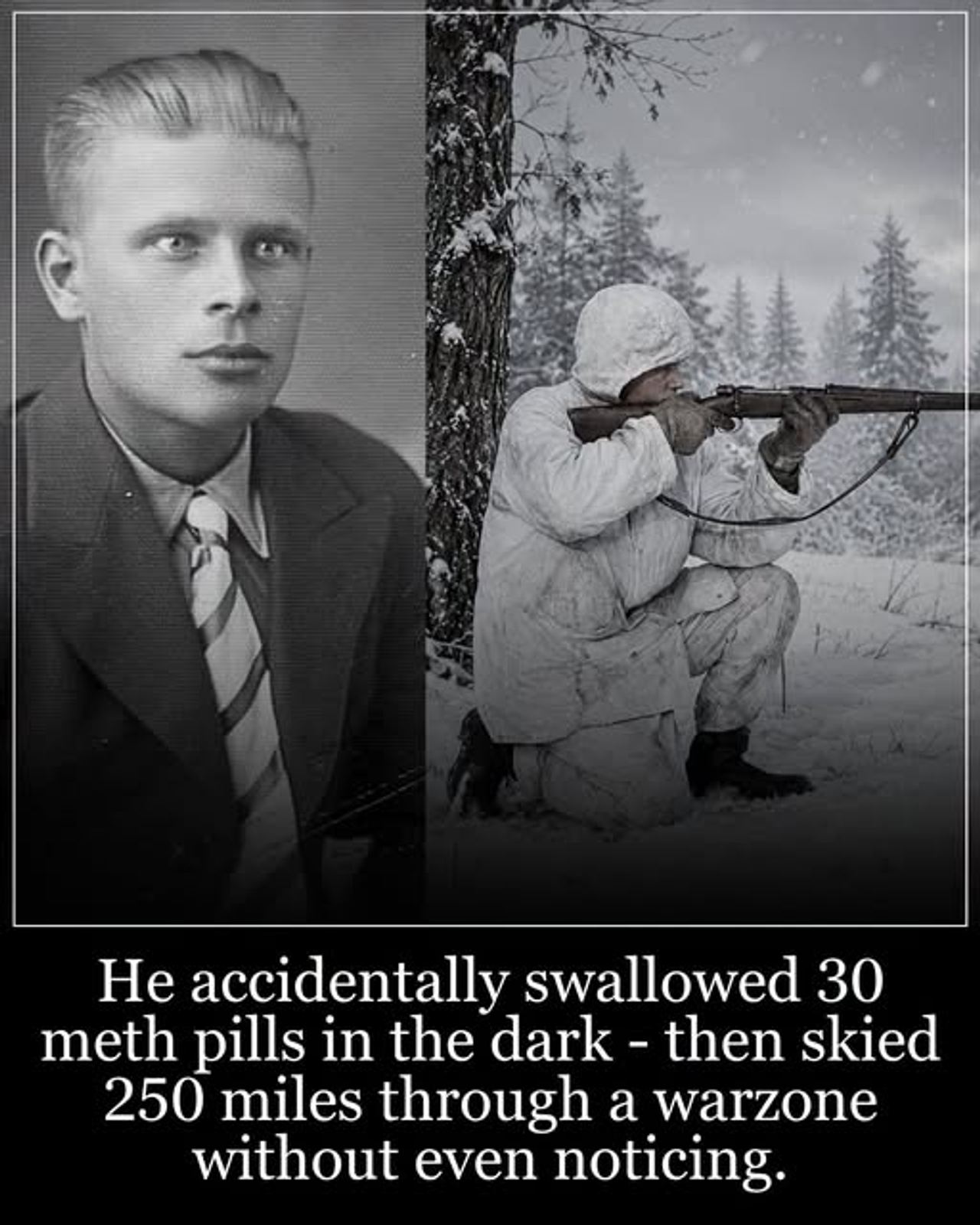
Then the effects turned. His thoughts scattered, his vision blurred, and somewhere along that frozen trail, Koivunen lost consciousness. Yet his body kept moving. He skied on through the night, carried by instinct and adrenaline long after his mind had begun to fail. When he came to, he was alone in enemy territory, without his squad, without food, and without any more pills to carry him forward. Around him was only endless white forest and a war he could no longer see clearly.
What followed became one of the most extraordinary survival stories of the war. Still caught between the drug’s last effects and raw willpower, Koivunen kept moving and somehow avoided Soviet patrols through the haze. Then disaster struck again: he triggered a landmine, which tore into his foot and threw him from his skis. Badly injured, he dragged himself into a ditch and waited there in temperatures dropping to -20°C.
For nearly a week, he survived on almost nothing. He chewed pine buds, melted snow for water, and at one point caught a raw Siberian jay with his bare hands and ate it. It is a story that feels almost impossible to imagine, let alone endure, and yet it happened to one exhausted young soldier in the deep cold of Lapland. Long after the fighting faded, Koivunen’s ordeal remained a reminder of how thin the line can be between panic, luck, and survival — and how stubborn a human being can be when there is still one more mile left to ski.