The Swinging Sound That Became the Voice of Wartime America
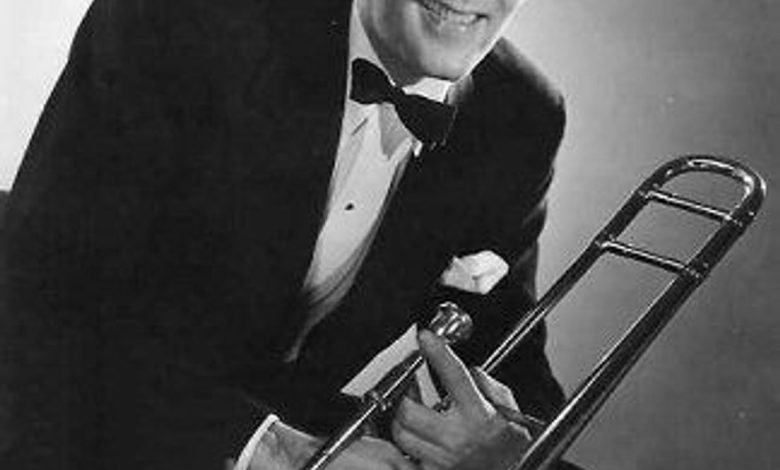
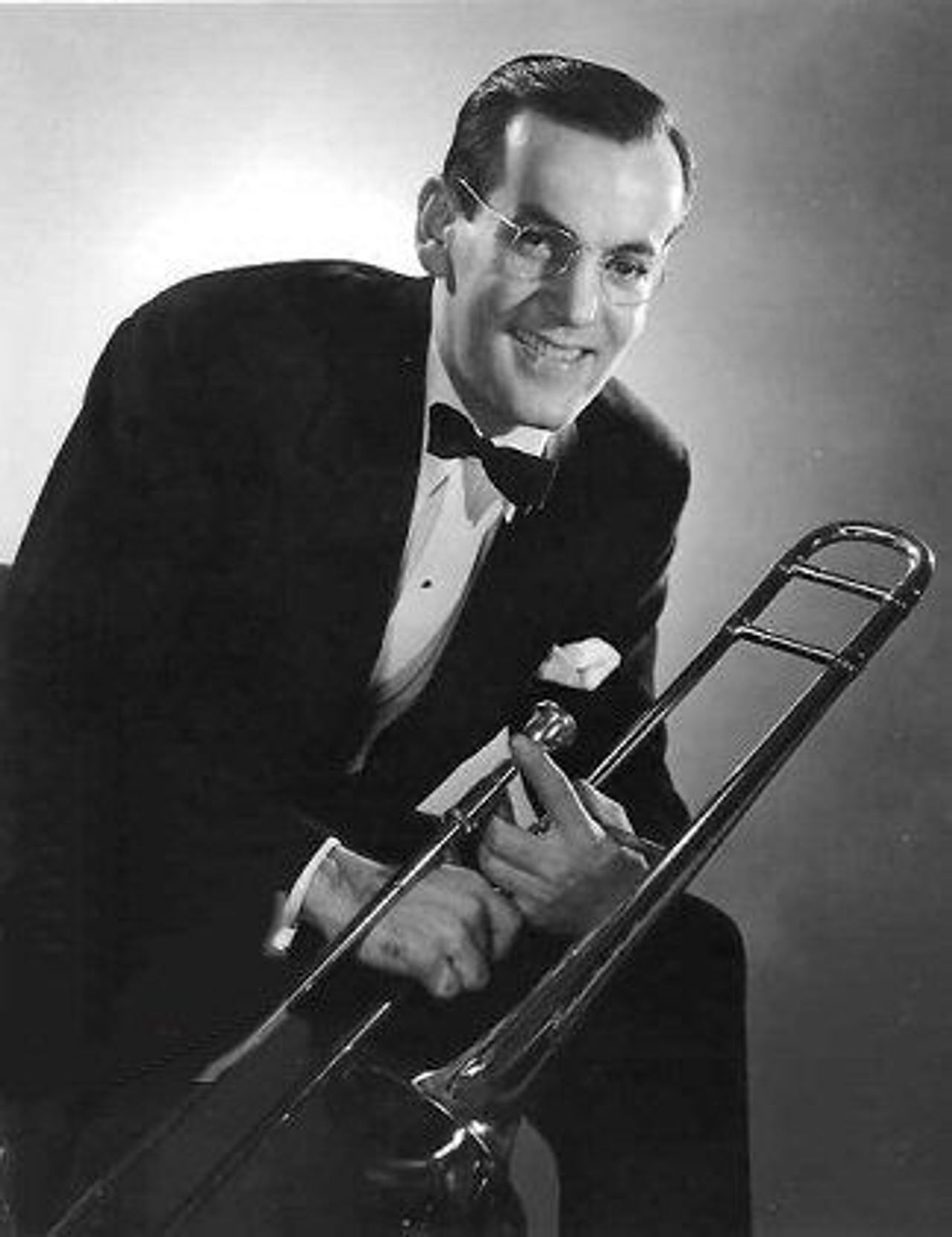
In 1939, Glenn Miller was searching for the sound that would define his orchestra. He bought a tune by Joe Garland and worked with arranger Eddie Durham and pianist Chummy MacGregor to reshape it into something faster, tighter and made for dancers.
Miller first performed it on radio in July 1939. The response was immediate, and he recorded the famous studio version in New York on August 1, 1939.
By the early 1940s, the recording had become much more than a dance-floor favorite. Its infectious saxophone riffs and driving rhythm came to symbolize the Big Band Era and the World War II generation. The recording was later added to the National Recording Registry in 2004 for its cultural, historical and aesthetic significance.
What began as an arrangement Miller had carefully rebuilt became one of the most recognizable sounds of the swing era—and decades later, it still feels impossible to sit still when those opening riffs begin.
[EMBED:
Continue reading
Marvin Gaye’s “What’s Going On”: The Soul Masterpiece That Changed His Career — and Motown
Marvin Gaye’s “What’s Going On”: The Soul Masterpiece That Changed His Career — and Motown
How a 1971 plea for peace and understanding became a major hit and transformed Marvin Gaye into one of popular music’s most important artistic voices.
A Song Born From a Divided America
Marvin Gaye released “What’s Going On” as a single in January 1971, during a period marked by the Vietnam War, racial injustice, political unrest and deep social division in the United States.
The song originated with Four Tops member Renaldo “Obie” Benson, who was inspired after witnessing police violence against anti-war demonstrators at People’s Park in Berkeley, California, in 1969. Benson developed the idea with songwriter Al Cleveland before bringing it to Gaye, who reshaped the composition and became a co-writer.
The subject was personal for Gaye. His brother Frankie had served in Vietnam, while Gaye was also grieving the 1970 death of his close friend and duet partner Tammi Terrell. He increasingly wanted his music to address the world beyond conventional romantic songs.
What Does “What’s Going On” Mean?
At its heart, “What’s Going On” is a plea for empathy, peace and human understanding.
Instead of presenting its social message through rage, Gaye addresses war, brutality and division with compassion. The song asks people to communicate rather than answer conflict with hatred.
Its conversational atmosphere, layered vocals and warm orchestration make the message feel inviting even while the subject matter is serious. The title’s central question asks not only what is happening in society, but why people have become so divided — and whether love and understanding can provide another path.
How Strongly Did Audiences Respond?
There is no reliable historical statistic showing exactly how many individual fans the song created, so its reach is better measured through documented sales, charts and continuing audience interest.
According to the Recording Academy, “What’s Going On” sold more than 10,000 copies during its first week in record stores. It climbed to No. 2 on the Billboard Hot 100 for the week of April 10, 1971 and also reached No. 1 on Billboard’s R&B chart.
More than half a century later, the audience remains substantial. Marvin Gaye’s official 2019 music video has surpassed 14 million YouTube views, while the song continues to be rediscovered through streaming, reissues, documentaries and new generations of listeners.
What Did the Song Do for Marvin Gaye’s Career?
Before 1971, Marvin Gaye was already a major Motown star, with hits including “How Sweet It Is (To Be Loved by You),” “Ain’t That Peculiar” and “I Heard It Through the Grapevine.”
“What’s Going On” changed how audiences and the music industry could view him. It demonstrated that Gaye could write, produce and shape an ambitious artistic statement around contemporary social issues rather than simply operate within Motown’s established hit-making system.
The song became the gateway to the album What’s Going On, released on May 21, 1971. Follow-up singles reinforced its success: “Mercy Mercy Me (The Ecology)” reached No. 4 on the Billboard Hot 100 and “Inner City Blues (Make Me Wanna Holler)” reached No. 9. Both reached No. 1 on the R&B chart.
Gaye later achieved another major triumph with Let’s Get It On, won his first Grammy Awards for “Sexual Healing,” and received the Recording Academy’s Lifetime Achievement Award posthumously in 1996. What’s Going On entered the Grammy Hall of Fame in 1998.
A Legacy Far Beyond the Charts
The album’s importance eventually extended far beyond its original commercial success.
In 2003, the Library of Congress selected What’s Going On for the National Recording Registry, recognising its importance to America’s recorded-sound heritage.
Its themes — war, poverty, environmental damage, racial injustice, policing and human compassion — have continued to resonate long after 1971.
For Marvin Gaye, “What’s Going On” was therefore much more than another successful single. It helped transform a Motown superstar into an artist whose work could challenge society while remaining emotionally and commercially powerful.
Watch and Listen
Marvin Gaye – What’s Going On (Official Video 2019)
[EMBED: Sources
Recording Academy — For The Record: Inside Marvin Gaye’s Revolutionary What’s Going On At 50
Library of Congress — National Recording Registry
Motown Records — What’s Going On 50th Anniversary Edition
The 1956 No. 1 Smash That Helped Define His Breakthrough Year
Elvis Presley’s ‘Don’t Be Cruel’: The 1956 No. 1 Smash That Helped Define His Breakthrough Year
How an Otis Blackwell demo, a New York RCA session and Elvis Presley’s instinct for rhythmic ease produced the biggest-selling single record of his career and one of rock and roll’s defining early hits.
Listen to “Don’t Be Cruel”
▶️ YouTube:
[EMBED:
[EMBED:
[EMBED:
The 1975 Harmony Performance That Connected Two Country-Rock Icons to an Older American Song
Linda Ronstadt & Emmylou Harris’ “The Sweetest Gift”: The 1975 Harmony Performance That Connected Two Country-Rock Icons to an Older American Song
How Linda Ronstadt and Emmylou Harris brought their unmistakable harmonies to J. B. Coats’ prison ballad on Prisoner in Disguise, renewing a song that had already travelled through generations of country and folk music.
Listen to “The Sweetest Gift”
▶️ YouTube:
[EMBED:
[EMBED:
[EMBED:
Read more stories
- My Mom Left Me the House on One Condition – I Had to Spend 30 Days There with Someone She Chose, but When I Opened the Door, I Froze
- Crustless Pizza Bowl
- Dolly Parton Couldn’t Have a Kid & Became a Protective ‘Fairy Godmother’ to Miley Cyrus Who Is like Her
- A Young Voice Takes On Whitney Houston and Stops the Room on The Voice Kids