“Your Cheatin’ Heart”: The Hank Williams Song That Outlived Him and Helped Define Country Music


A song that arrived in the shadow of loss
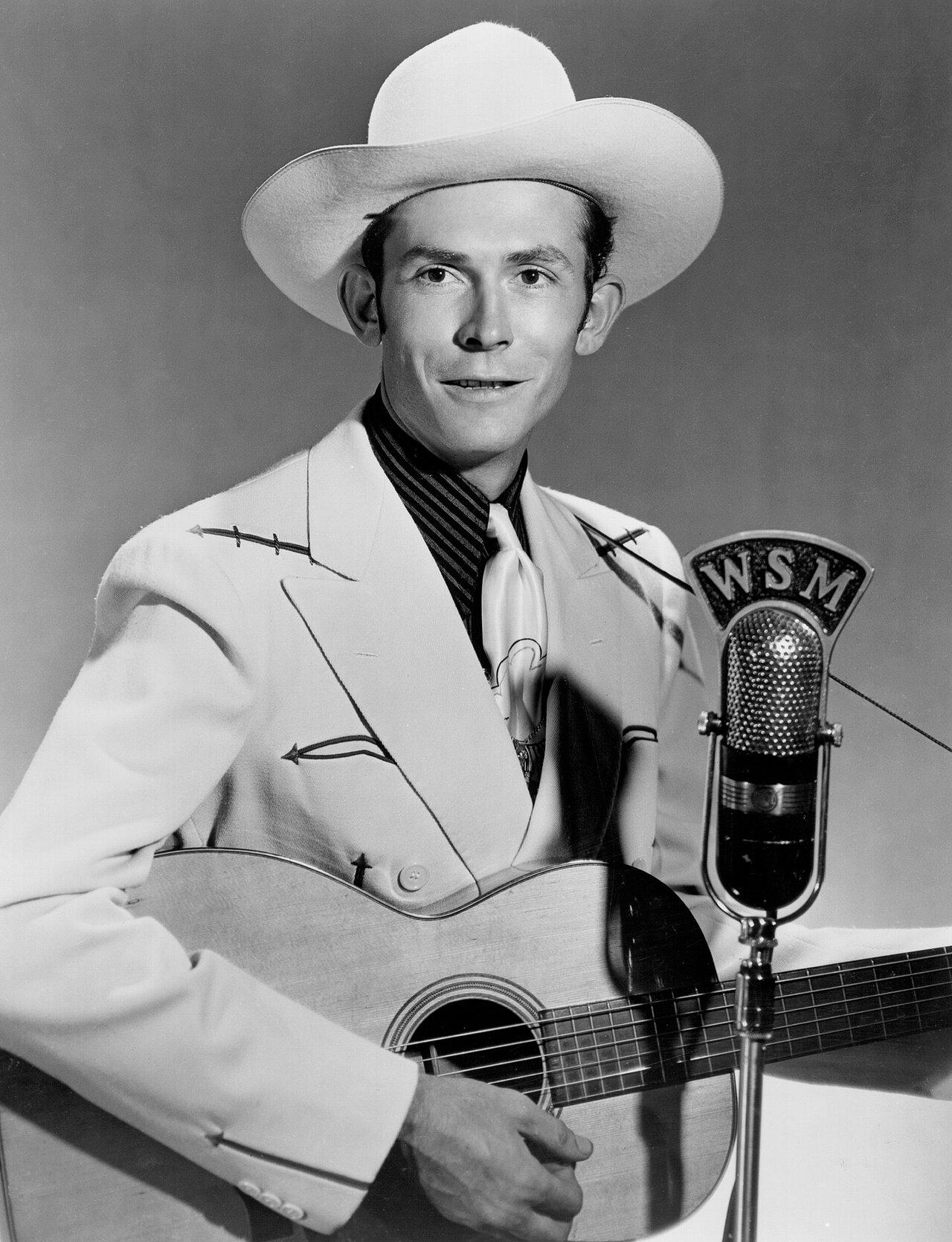
Few country songs carry the weight of “Your Cheatin’ Heart.” Its power begins with the voice at the center of it: Hank Williams, already one of the most influential singer-songwriters in American music, singing betrayal with a plainspoken ache that feels almost conversational. There is no ornament for its own sake, no attempt to soften the wound. The song stares directly at the damage left by infidelity and lets that pain do the work.
What gives the record an added resonance is the timing. “Your Cheatin’ Heart” was recorded in 1952 and released only after Williams’ death, which transformed it from a new single into something more enduring: a posthumous statement from an artist whose life had already become inseparable from the sadness and honesty in his songs. Listeners did not just hear heartbreak in it; they heard the sound of an irreplaceable voice continuing to speak after it was gone.
“Your Cheatin’ Heart” remains one of those rare songs that feels both intimate and monumental: a personal grievance that somehow became part of country music’s shared language.
Hank Williams at the height of his gift
By the time he recorded “Your Cheatin’ Heart,” Williams had already established the style that would make him foundational to country music. His songs were built from direct language, memorable melodic turns, and emotional clarity so sharp it could feel almost merciless. He wrote like someone who understood that the strongest lines are often the simplest ones, especially when they carry real hurt.
That economy is central to the song’s staying power. Williams did not need elaborate storytelling to make the betrayal believable. He knew how to compress guilt, accusation, sorrow, and inevitability into a few unforgettable phrases. Sung in his unmistakable drawl, those lines became more than lyrics; they became part of the basic vocabulary of country heartbreak.
The recording: spare, steady, devastating
Williams performed the song with the Drifting Cowboys, the band whose backing helped shape the emotional architecture of many of his recordings. Their accompaniment on “Your Cheatin’ Heart” is measured and restrained, giving the song its sense of inevitability. Nothing in the arrangement distracts from the lyric. Instead, the instruments create a patient frame around the vocal, supporting rather than competing with it.
Producer Fred Rose, one of the crucial figures in Williams’ career, understood exactly how to capture that effect. The MGM recording has the balance that marked Williams at his best: polished enough to feel complete, but never so dressed up that it loses the rawness of the performance. The result is a record that sounds timeless precisely because it resists excess.
Why the song cut so deep
At its core, “Your Cheatin’ Heart” is a betrayal song, but it is also a song about consequences. Williams does not simply describe someone who has done wrong; he imagines the private reckoning that follows. The title itself is unforgettable because it fuses emotion and judgment in a single phrase. It is not merely a broken heart speaking. It is conscience, memory, and sorrow all rolled into one.
That moral undercurrent helped make the song feel larger than a single failed romance. Country music has long drawn strength from songs that treat private pain as public truth, and “Your Cheatin’ Heart” does that with unusual precision. It is easy to hear why generations of listeners and performers have returned to it: the song does not belong only to one era, one singer, or one scandal. It belongs to anyone who has felt love curdle into knowledge.
From posthumous release to country standard
The song became a posthumous No. 1, a fact that sealed its place in the story of Hank Williams and in country music more broadly. Posthumous hits often carry an air of unfinished business, but “Your Cheatin’ Heart” never sounds incomplete. If anything, its release after Williams’ death deepened its emotional reach, giving audiences the strange experience of hearing a familiar voice become, almost instantly, historical.
Over time, the record stopped being simply one celebrated Hank Williams song and became a standard. That matters in country music, where a standard is not just a hit but a composition sturdy enough to survive changing styles, generations, and interpretations. “Your Cheatin’ Heart” endured because its melody is memorable, its theme universal, and its emotional tone impossible to mistake.
The song’s lasting place in American music
Today, “Your Cheatin’ Heart” stands as one of the defining compositions in country music, a song that helps explain why Hank Williams remains such a towering figure. It captures the core of his art: the ability to make sorrow singable, to turn private misery into communal recognition, and to do it in language so clean and direct that it seems as though it must always have existed.
That is the hallmark of a true standard. It no longer feels tied only to the moment of its making, even though its history is essential to its impact. Recorded in 1952, released after Williams’ death, performed with the Drifting Cowboys, and produced by Fred Rose for MGM, “Your Cheatin’ Heart” is both a specific recording and a permanent country idea: heartbreak rendered so clearly that it never fades.
Quick Facts
- Song: “Your Cheatin’ Heart”
- Writer: Hank Williams
- Performer: Hank Williams
- Backing band: The Drifting Cowboys
- Producer: Fred Rose
- Label: MGM
- Recorded: 1952
- Release context: Released after Hank Williams’ death
- Legacy: Posthumous No. 1 and country standard
Image credits: Andrea Klein / Wikimedia Commons / CC BY 2.0; Adambroachphoto / Wikimedia Commons / CC BY-SA 3.0; WSM radio / Wikimedia Commons / Public domain.