1955 — A Movie About Teenage Rebellion Opened With a Record That Had Already Faded. What Happened Next Changed Rock ’n’ Roll.
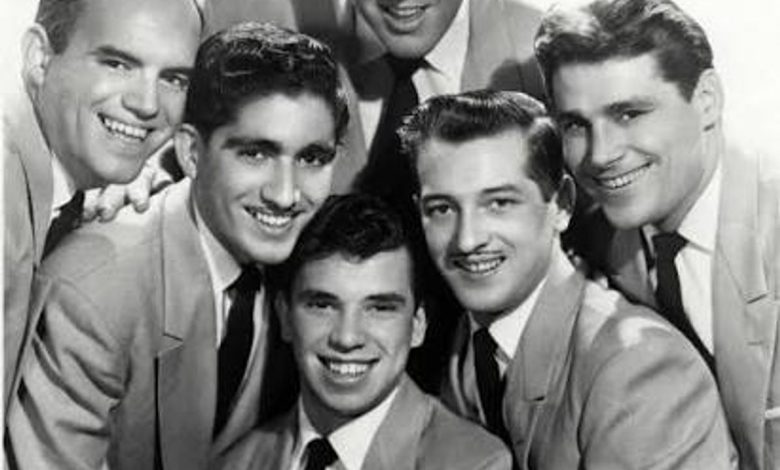
Bill Haley and His Comets had recorded the song almost a year earlier, watched its first burst of interest cool, and moved on. Then Hollywood placed it over the opening credits of Blackboard Jungle — and teenagers heard the record in an entirely new way.
March 1955: A Movie Theater Became the Turning Point
The lights went down. The MGM lion disappeared. Then, before the audience had settled into the story, a hard-driving rhythm came crashing through the speakers.
Blackboard Jungle opened in New York in March 1955 with images of a troubled urban high school and a record that had already been available for months. The pairing was startling. The film dealt with juvenile delinquency, classroom conflict and the widening anxiety adults felt about postwar teenagers. The music did not politely sit behind those images. It seemed to charge them.
For young moviegoers, that opening could feel like a signal that the film belonged to their world. For many adults, it sounded like something more unsettling: a new rhythm attached to a new kind of youth culture.
The record was Bill Haley and His Comets’ “Rock Around the Clock.” By the end of 1955, it would be inseparable from the rise of rock ’n’ roll. Yet the most revealing part of the story is that the song had not been created for Blackboard Jungle, and it had not exploded when it first appeared.
The movie did not discover a brand-new record. It revived one that had already begun to fade.
Before the Movie, the Record Had Already Had Its Chance
Haley was not an unknown musician waiting for Hollywood to invent him. By the early 1950s, he had already been combining country music with rhythm and blues, jump-band energy and dance music. The Rock & Roll Hall of Fame later described him as someone who was blending country, Dixieland and R&B before rock ’n’ roll had fully settled into a name.
That background matters because the 1955 breakthrough was not a story of a movie studio manufacturing a style from nothing. Rock ’n’ roll had deep roots in Black rhythm and blues, gospel and blues, while country musicians were also borrowing, adapting and colliding with those sounds. Haley’s particular contribution was to package some of that rhythmic force in a way that could cross rapidly into the expanding teenage pop market.
On April 12, 1954, Haley and the Comets entered a Decca recording session produced by Milt Gabler. The session was rushed. According to the Library of Congress essay prepared for the National Recording Registry, only about forty minutes remained when the band recorded “Rock Around the Clock.” The performance that survives was actually assembled from two takes because the musicians had overwhelmed Haley’s vocal on the first attempt.
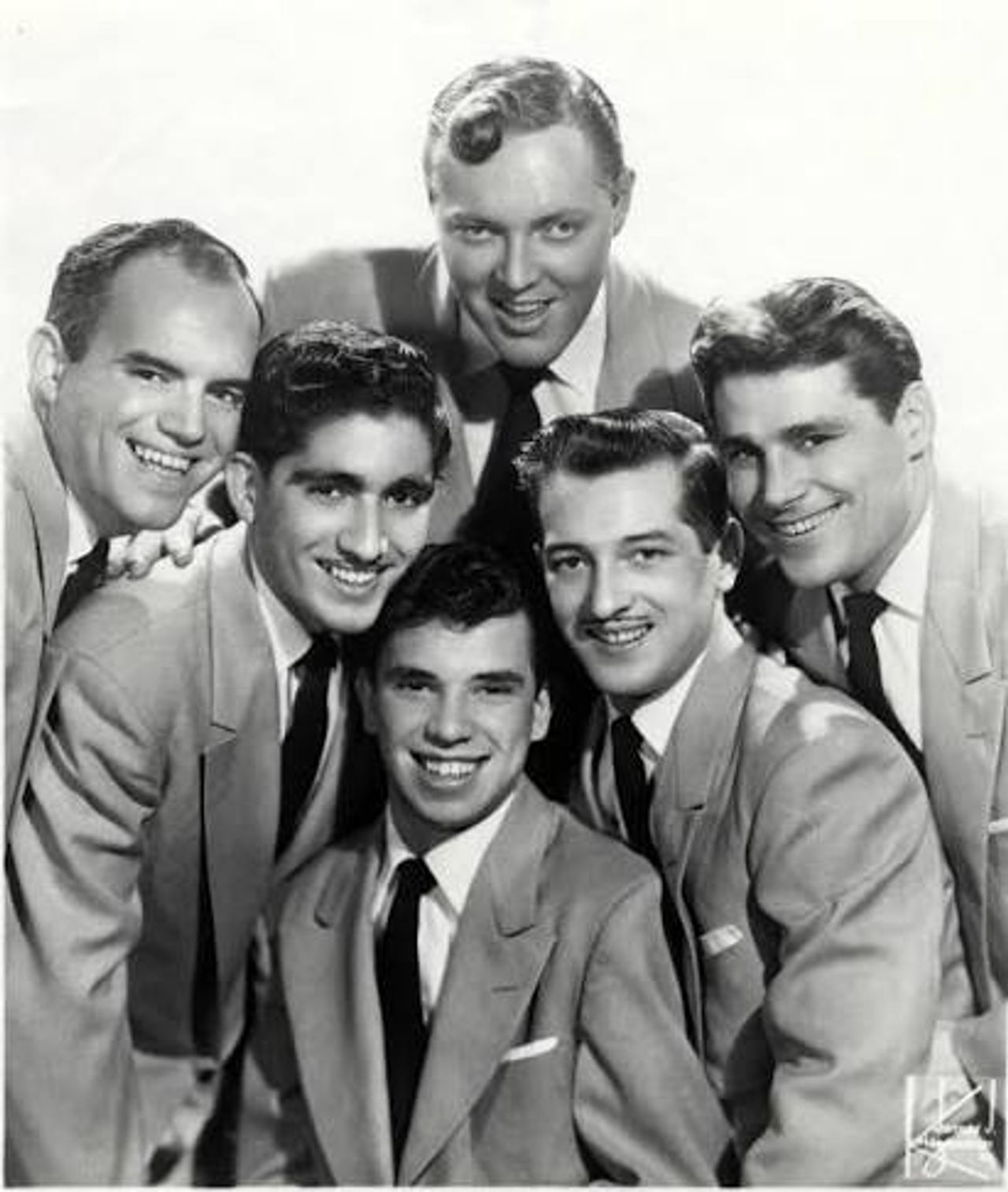
The record began distribution in May 1954. Interest briefly rose, especially in the song on the B-side, but the momentum did not last. Sales cooled. The record could easily have become a lively footnote in Haley’s early career.
That is what makes the next part so important. Nothing about the recording changed. The audience context did.
Hollywood Gave the Same Song a Different Meaning
Director and screenwriter Richard Brooks was adapting Evan Hunter’s novel Blackboard Jungle for MGM. He needed an opening that would establish unease immediately. The Library of Congress account says Brooks came across Haley’s record and chose it for the opening credits, where its pounding rhythm could frame the film’s images of restless youth.
That placement transformed the emotional meaning of the recording.
On its own, “Rock Around the Clock” is fundamentally a party record. Its lyric counts the hours toward an all-night celebration. Haley sounds exuberant rather than threatening. The band swings, shouts and pushes forward with the energy of a crowded dance floor.
But put that same sound over a film about teachers struggling to control a volatile high school, and the record suddenly carries tension it never needed to carry on the original single. The music became connected to youth independence, conflict and the fear that adults were losing control of the culture around them.
The song had not changed. The frame around it had.
That is the unexpected movie moment at the center of the story. A piece of recorded music that had already slipped from commercial urgency was given a second life because cinema attached it to a powerful image of the American teenager.
Theaters Turned a Record Into a Youth Signal
Blackboard Jungle opened nationally on March 25, 1955. It was not a lightweight musical built around a pop star. It was a social drama starring Glenn Ford, with Sidney Poitier in a breakthrough role, and its subject matter was serious enough to generate controversy on its own.
Yet the opening music became one of the film’s defining features.
That mattered because movies could create a shared experience that radio alone did not always provide. A teenager hearing a record privately on a bedroom radio was one thing. Hundreds of young people hearing the same beat burst from theater speakers while watching a story about their generation was something else.
The song became associated not merely with dancing but with belonging to a new audience that recognized itself as a distinct market and culture.
By July 1955, “Rock Around the Clock” had reached No. 1 on Billboard’s pop ranking. The Library of Congress describes the film as the event that made the record’s popularity explode with young listeners. Haley and the Comets were soon appearing on national television, and the song was no longer a B-side that had enjoyed a brief run. It had become the sound most Americans associated with the new music.
That climb is one of the clearest examples of how a cultural context can change a record’s destiny without changing a note of the recording itself.
Why This Particular Record Could Carry the Moment
A movie placement can create exposure, but exposure alone does not explain why a recording survives. “Rock Around the Clock” had musical qualities that made it unusually well suited to the role history handed it.
The opening count is immediate. There is almost no distance between the first line and the invitation to move. The rhythm section creates a shuffle that feels both tight and loose, with Marshall Lytle’s slap bass adding a physical bounce and Billy Gussak’s drums reinforcing the accents. Danny Cedrone’s guitar solo arrives with startling speed and precision, and the tenor saxophone adds the kind of excitement that makes the arrangement seem bigger as it approaches the finish.
Haley’s vocal is important precisely because it is not dark. He sounds cheerful, almost clean-cut. That contrast helped the recording cross boundaries. The rhythm could feel dangerous to anxious adults while the singer himself looked more like a bandleader than the image of rebellion that later rock stars would embody.
This is one reason the record could move so quickly from dance halls and jukeboxes into movies, television and family living rooms. It carried enough rhythmic novelty to feel new, but enough familiar entertainment tradition to make the transition into mass media possible.
The film supplied the drama. The record supplied the momentum.
Rock ’n’ Roll Was Already There — the Scale Was New
It would be historically misleading to say Bill Haley invented rock ’n’ roll in 1955. He did not. The music was the result of years of exchange among Black rhythm and blues, gospel, blues, country, boogie and other American traditions. Artists had already been making records with the rhythm, attitude and instrumentation that would become central to rock.
What changed in 1955 was scale.
“Rock Around the Clock” gave a rapidly forming style an extraordinary point of mass recognition. It reached No. 1 in the United States, became an anthem associated with teenagers, and traveled far beyond the audience that had first encountered Haley’s hybrid sound.
In Britain, the record also reached No. 1 on the Official Singles Chart and spent five weeks at the top during its original chart history. The significance was larger than one successful export. Young listeners outside the United States were hearing American rock ’n’ roll not as a regional curiosity but as a cultural force arriving through records, cinema and radio together.
The movie had helped create the image. The charts showed how widely that image had traveled.
The Television Moment Made the Change Visible
By August 1955, the transformation could be seen on American television. Bill Haley and His Comets performed “Rock Around the Clock” on The Ed Sullivan Show, bringing the record into one of the country’s most important family entertainment spaces.
Only months earlier, the song had been rescued from fading commercial memory by a movie about juvenile disorder. Now it was being presented in millions of homes as mainstream entertainment.
That movement — from B-side, to movie-theater shock, to No. 1 record, to national television — captures the speed at which rock ’n’ roll crossed into the center of American popular culture.
For listeners who were teenagers in 1955, the record may have arrived through a jukebox, a 45 on a portable player, a car radio or the sudden blast of sound at the beginning of Blackboard Jungle. Each setting gave the song a slightly different meaning. But the common feeling was motion. The old boundaries between country, R&B and pop were becoming harder to keep separate, and teenagers were becoming a market powerful enough to push a new sound to the top.
Rock ’n’ roll did not enter America on one single afternoon. But in 1955, this record made the change impossible to ignore.
The Movie Moment Became Part of Rock’s Origin Story
Decades later, institutions caught up with what audiences had already made clear. Bill Haley was inducted into the Rock & Roll Hall of Fame in 1987. “Rock Around the Clock” entered the GRAMMY Hall of Fame in 1982 and the Library of Congress National Recording Registry in 2017.
Those honors do not make the 1955 moment important. They confirm how long its consequences lasted.
The deeper legacy is the relationship between sound and image. Blackboard Jungle showed how a film could take a record, place it beside the right images, and give it a cultural meaning much larger than the record company had originally imagined. Later generations would see the same mechanism repeated through movies, television and eventually music video. A song can exist for months or years, then one visual context can make an audience hear it all over again.
That is exactly what happened here.
When Bill Haley and His Comets recorded the song in April 1954, nobody in the room could know that a Hollywood film would turn it into a generational signal. When the single’s first momentum faded, there was no reason to assume history was waiting for a second chance.
Then the lights went down in a movie theater.
The opening credits began.
A familiar record suddenly sounded like the future.
The unexpected triumph of “Rock Around the Clock” was not that it invented rock ’n’ roll. It was that one movie moment helped millions of people recognize that rock ’n’ roll had arrived — and that the teenagers listening were ready to make it their own.
Listen Again
To return to the record at the center of this 1955 turning point, hear the original Decca-era recording first, then watch Bill Haley and His Comets perform the same song on national television only months after Blackboard Jungle helped send it to No. 1.