September 8, 1956: Elvis Put Two Songs in the Top Three as Rock and Roll Broke Through
A chart that captured a turning point
The Billboard Top 100 for the week of September 8, 1956, reads today like a dispatch from a culture in motion. At No. 1 sat the Platters’ polished hit “My Prayer,” a record rooted in the pop vocal tradition that had dominated the first half of the decade. Just beneath it, though, was a different force entirely: Elvis Presley’s “Hound Dog” at No. 2, with “Don’t Be Cruel” tied at No. 3.
That lineup mattered because it showed more than one artist having a good week. It showed a new sound pushing directly into the center of the mainstream. Presley was only 21 years old, yet he already seemed to be operating on a scale the industry had trouble measuring. Two songs in the Top 3, both by the same singer, and both drawn from the same release, made the chart feel less like a list and more like evidence of a takeover.
It was the kind of chart position that suggested not just popularity, but disruption.
One record, two hits
RCA Victor had released “Hound Dog” and “Don’t Be Cruel” together in July 1956 as a double-sided single, pairing two very different moods on one piece of vinyl. “Hound Dog” hit with swagger and force, blunt and explosive in a way that felt impossible to ignore. “Don’t Be Cruel,” by contrast, was smoother and more playful, carrying a lighter touch without losing the rhythmic urgency that made Presley’s records feel new.
That both sides could become major hits says something important about the moment. This was not a case of one blockbuster song dragging along a secondary track. Listeners responded to both. Radio, jukeboxes, and record buyers all helped turn the single into a two-headed phenomenon, showing that Presley’s appeal was not confined to one novelty smash but spread across style, attitude, and personality.
Why Elvis felt different
By late 1956, Presley had become more than a successful young singer. He represented a change in how popular music sounded and looked. His records fused country, rhythm and blues, and pop into something sharp-edged and highly physical. The voice could croon, tease, and erupt within the same song. The rhythm section pushed harder. Even the pauses seemed charged.
Just as important was the sense of energy around him. Presley’s rise was inseparable from the feeling that youth culture was becoming a market force of its own. Adults could see the shift, even if they did not always understand it. The songs were short, catchy, and built for repetition, but they also carried a new kind of confidence. On the charts, that confidence translated into numbers. In the wider culture, it translated into alarm, excitement, imitation, and obsession.
The old order was still there
What makes the September 8 chart especially revealing is that rock and roll had not fully swept everything aside. The Platters remained at No. 1 with “My Prayer,” and that matters. Their presence at the top showed that the established pop tradition was still strong, still elegant, and still hugely popular. The transformation of American music was happening in real time, not as a clean break but as an overlap of styles.
That overlap gives the chart its drama. On one line, the smooth harmonies and formal romance of a vocal group ballad. On the next, the restless charge of Elvis Presley. The industry was trying to serve both audiences at once, and for a while it did. But the pressure was increasingly coming from records that sounded younger, looser, and more urgent. Presley was not the only artist driving that shift, but on this chart he was its clearest symbol.
A double-sided single became a cultural event
In the 1950s, the single was a compact object with enormous power. A record could move through radio stations, soda shops, living rooms, and jukeboxes, picking up momentum with every spin. When both sides connected, the effect was magnified. “Hound Dog” and “Don’t Be Cruel” did not merely sell as a package; they gave listeners two distinct entry points into the Elvis phenomenon.
That helped explain why the industry seemed to be chasing him. A record company could release the single, but it could not fully control how fast the excitement spread. Fans chose favorites. Disc jockeys flipped the disc. Retail demand followed. The result, by early September 1956, was a chart anomaly that also felt strangely inevitable: one young star occupying two of the most coveted positions in American pop at the same time.
Why this week still matters
The September 8, 1956 Top 100 endures because it offers a clean, memorable image of a larger historical change. Presley was not simply successful; he was bending the shape of the chart around himself. The fact that he did it at 21 only sharpened the sense that something new had arrived faster than the gatekeepers expected.
Seen from a distance, that week stands as one of those small but telling milestones in pop history. The Platters’ “My Prayer” still held the summit, but Elvis was suddenly everywhere just below it, with two sides of one record pressing upward. Rock and roll did not seize the culture in a single instant. But on that September chart, you can see it happening.
Quick Facts
- Date on chart: September 8, 1956
- Artist: Elvis Presley
- Age: 21
- No. 1 song: “My Prayer” by the Platters
- Elvis positions: “Hound Dog” at No. 2; “Don’t Be Cruel” tied at No. 3
- Release format: RCA Victor double-sided single released in July 1956
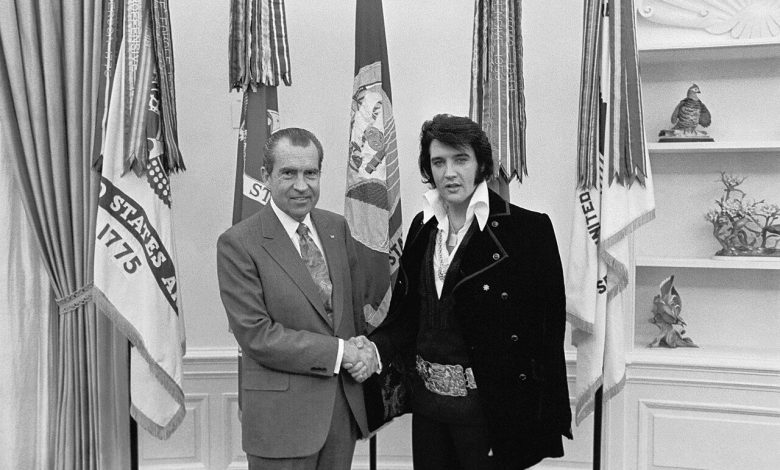
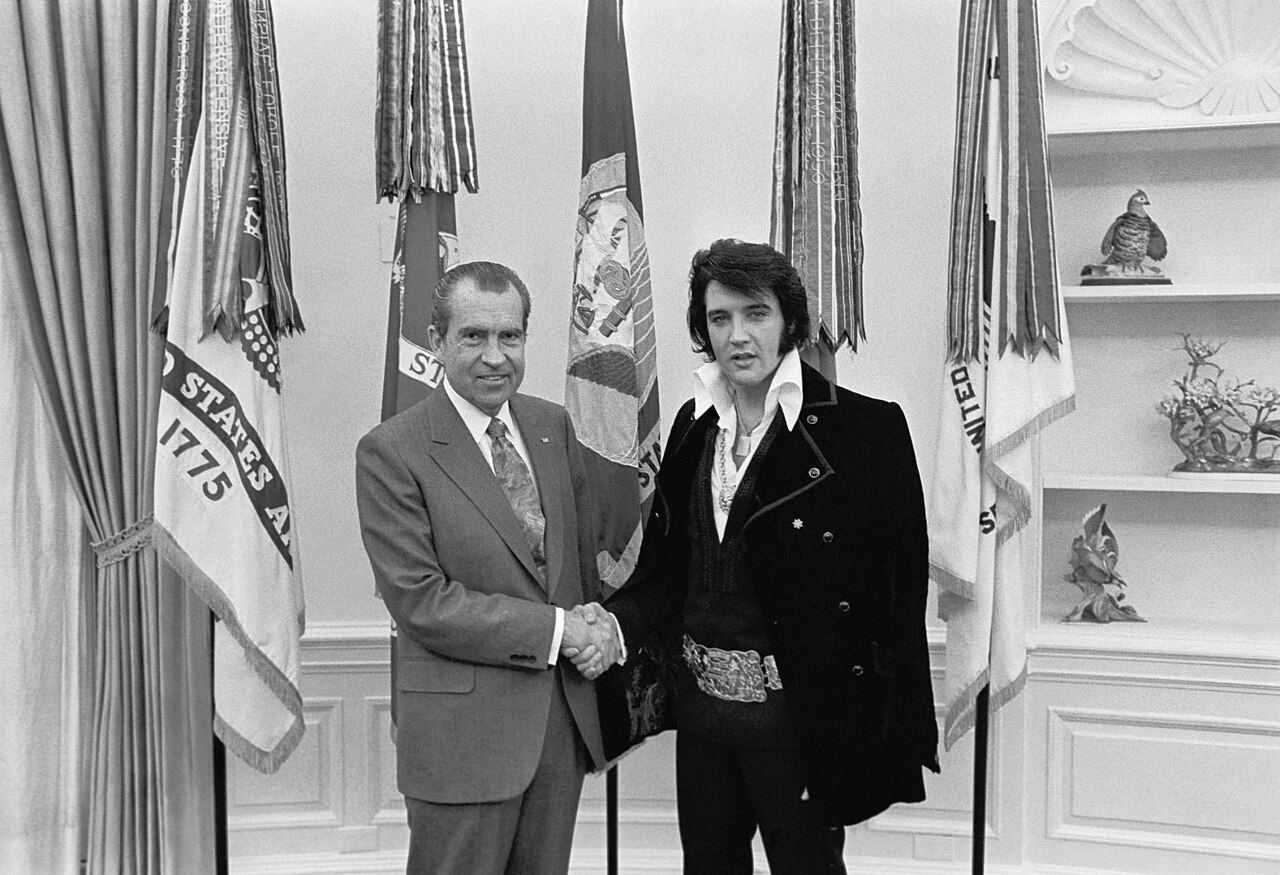
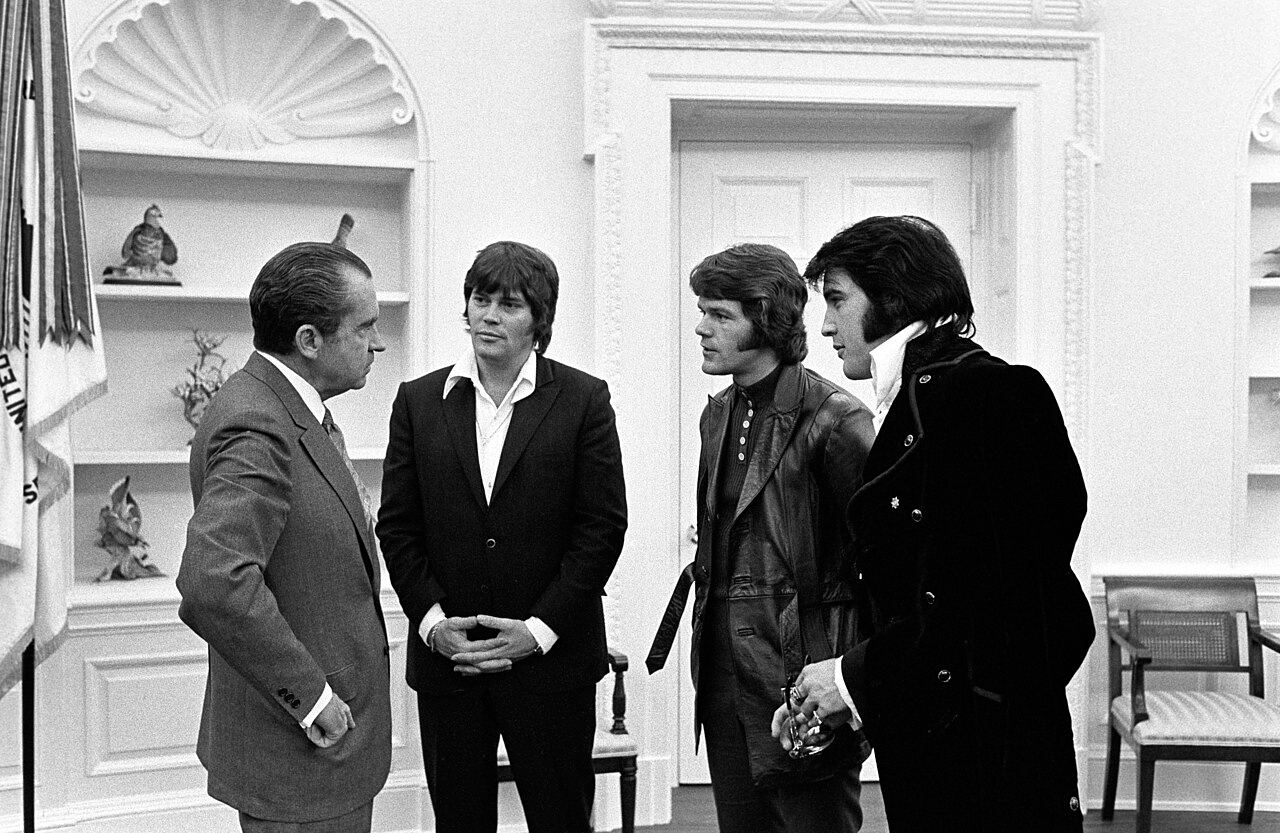
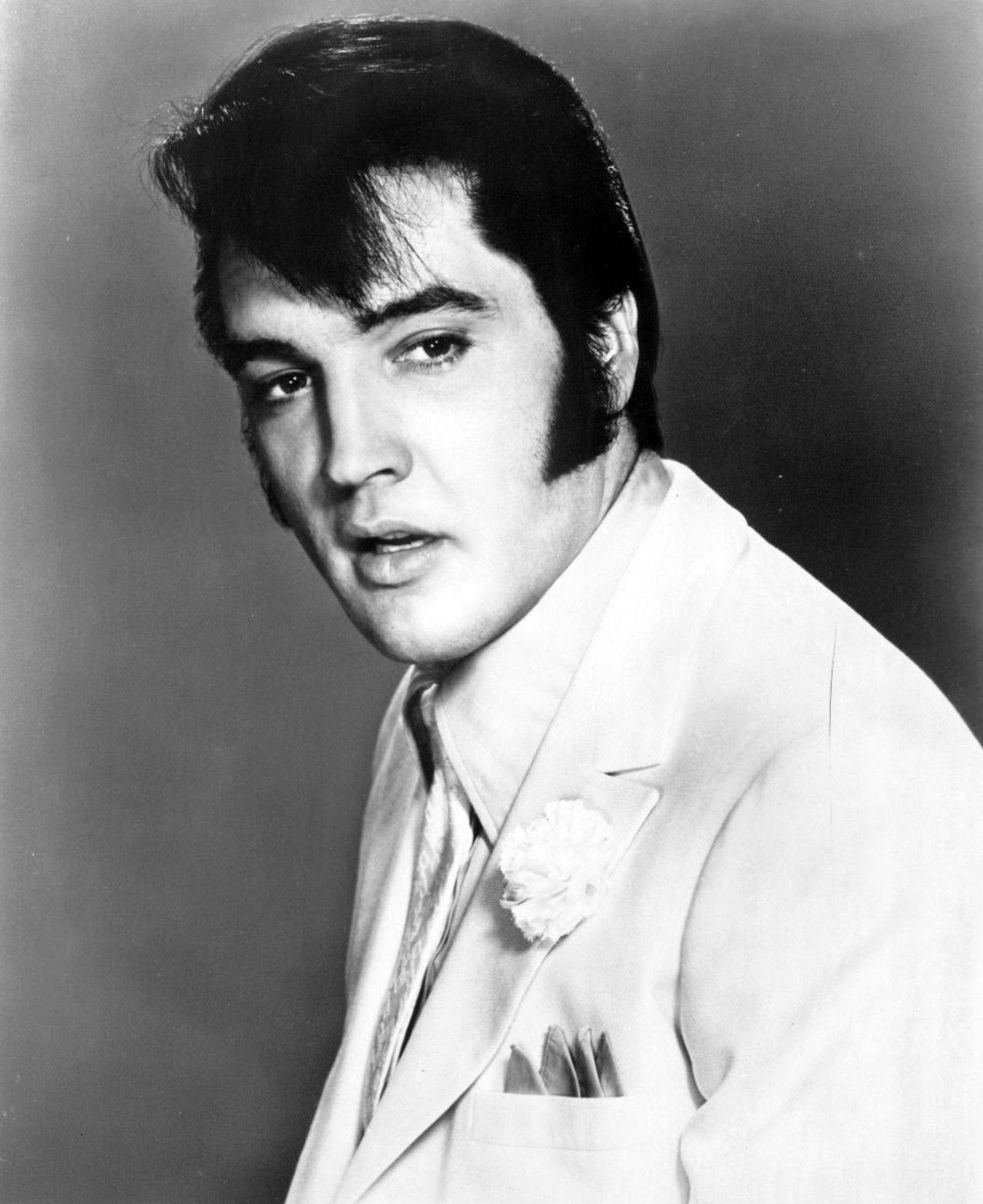
Image credits: Ollie Atkins, chief White House photographer at the time. See ARC record. / Wikimedia Commons / Public domain; Ollie Atkins, chief White House photographer at the time. See ARC / Wikimedia Commons / Public domain; MGM / Wikimedia Commons / Public domain.