The Breakup Song She Sang After Divorcing the Man Who Wrote It
The voice belongs to Agnetha Fältskog. The words were written by the man whose marriage to her had ended.
That history makes ABBA’s “The Winner Takes It All” difficult to hear as just another breakup song. But the truth is more interesting than the familiar claim that a singer simply recorded her own divorce.
She was interpreting a character.
And her control was part of what made that character so convincing.
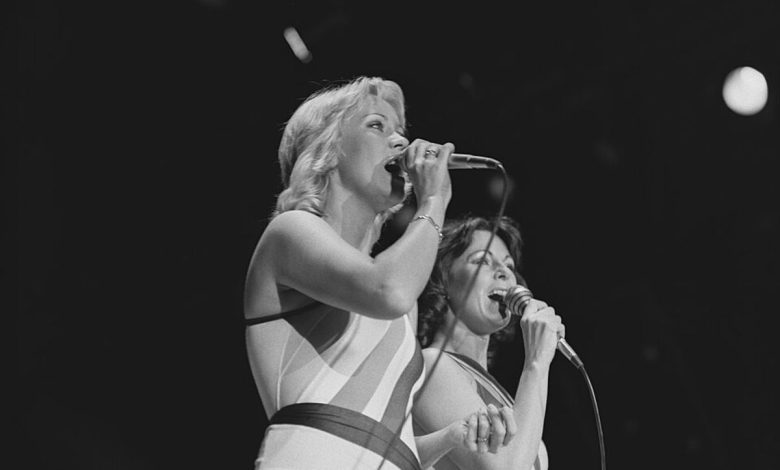
Agnetha Fältskog and Anni-Frid Lyngstad onstage in Gothenburg on October 19, 1979, before The Winner Takes It All was released. Photo: Kåre Eide / National Library of Norway, via Wikimedia Commons. CC0.
Benny Andersson and Björn Ulvaeus wrote the song, which ABBA released in 1980. According to the group’s official history of the recording, its first arrangement was more rigid and uptempo. A descending piano figure helped unlock the more flowing version listeners recognize.
The music had found a way to carry sorrow without becoming motionless.
Ulvaeus acknowledged that his separation from Agnetha helped inform the lyrics, while explaining that much of the story was fiction. Agnetha, in turn, described singing it as acting a role and keeping her own feelings from taking over.
That distinction does not reduce the emotion. It gives the performance its proper credit.
She was not merely a woman whose private life happened to resemble a lyric. She was a skilled singer making decisions about how that lyric should sound.
At the beginning, the delivery feels almost conversational. The narrator appears to be trying to discuss something unbearable without making a scene. As the melody climbs, that composure becomes harder to maintain. The voice grows more expansive, yet the phrasing never loses its shape.
The effect is not simply sadness. It is the effort of containing sadness while another person is still in front of you.
Even the title creates a tension. Winning and losing are tidy categories. A relationship is not. The narrator reaches for the language of rules and competition because the emotional reality feels so unequal, not because love actually operates like a fair game.
That is a reading of the song’s dramatic voice, not a verdict on Agnetha and Björn’s marriage.
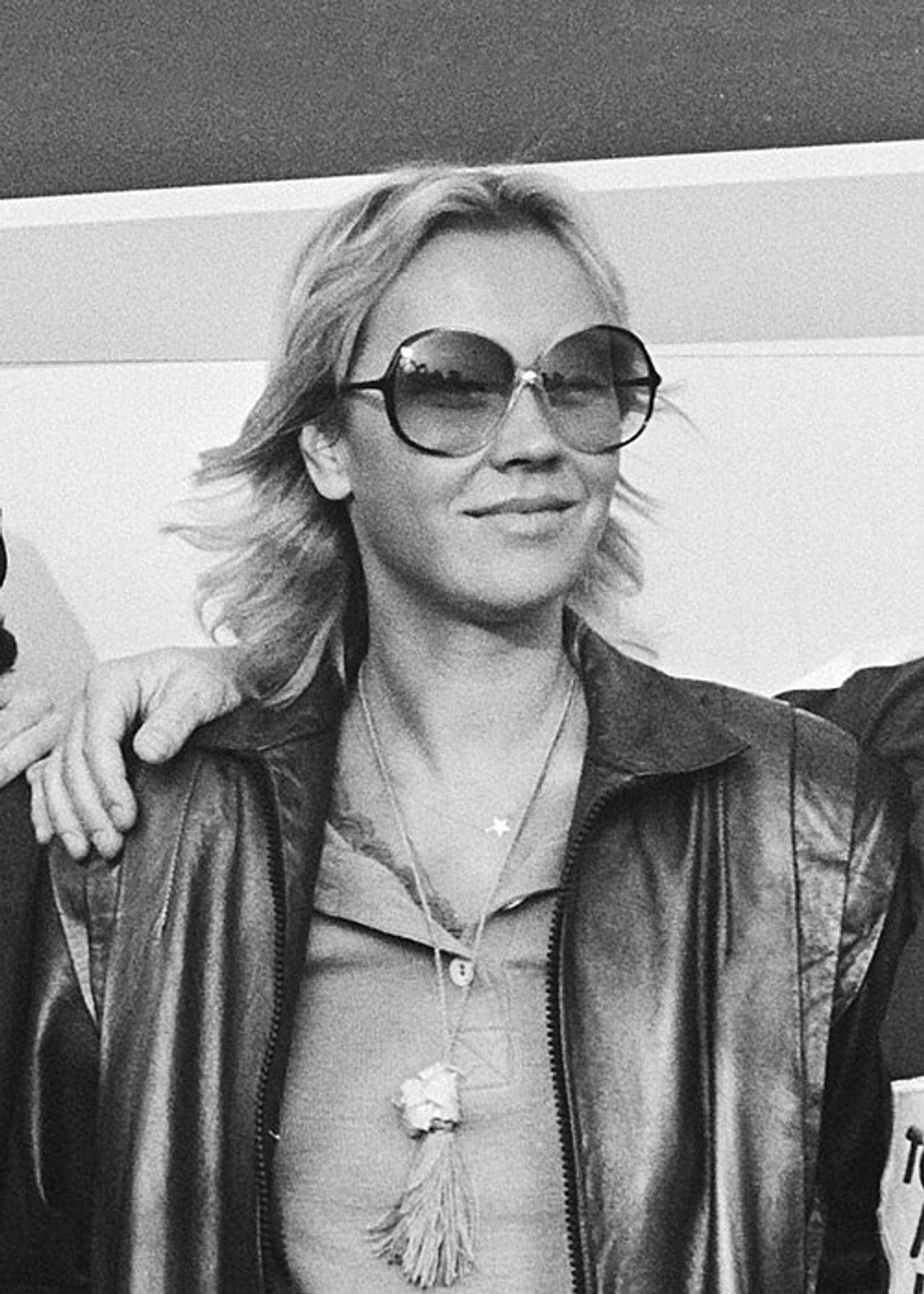
Agnetha Fältskog arriving in Rotterdam on October 24, 1979. Photo: Fernando Pereira / Anefo / Dutch National Archives. CC BY-SA 3.0 Netherlands; license: Source: Wikimedia Commons, Agnetha Fältskog 1979.jpg; existing archive crop, displayed at reduced size.
The separation between those two things matters. Reducing the recording to celebrity gossip can distract from what Agnetha achieved: a performance that allows people with entirely different lives to recognize their own humiliation, longing, or attempt at dignity.
She makes the narrator sound wounded without making her small.

Listen again to the passages where the voice pulls back after reaching upward. The quieter moments matter as much as the climaxes. They suggest someone trying to recover enough composure to finish the conversation.
The personal history will always be part of how this record is heard. It places real former partners behind the words and music.
But the reason to return is the singing. Agnetha takes a carefully written part and makes the distance between a polished pop record and a private goodbye feel almost impossibly narrow.
Listen to the recording
Continue reading
The Guitarist Hired on the Spot Who Changed the Sound of a Famous Band
A phone call arrived when a successful rock band was running out of time. One guitarist had left, a tour was approaching, and the replacement flew to Chicago without knowing that the audition would change the next half-century of his life.
Tommy Shaw, born on September 11, 1953, turns 73 this year. His story with Styx began long before the platinum albums, arena choruses, and songs that still arrive on classic-rock radio every day.
Shaw grew up in Montgomery, Alabama. His grandfather once paid him a nickel to sing on the porch, a moment he later joked was his first professional engagement. At ten, he received the guitar that gave his ambition a direction.
By fourteen he was playing in a band. After high school, he joined M.S. Funk and spent years learning the discipline of working stages far from celebrity.
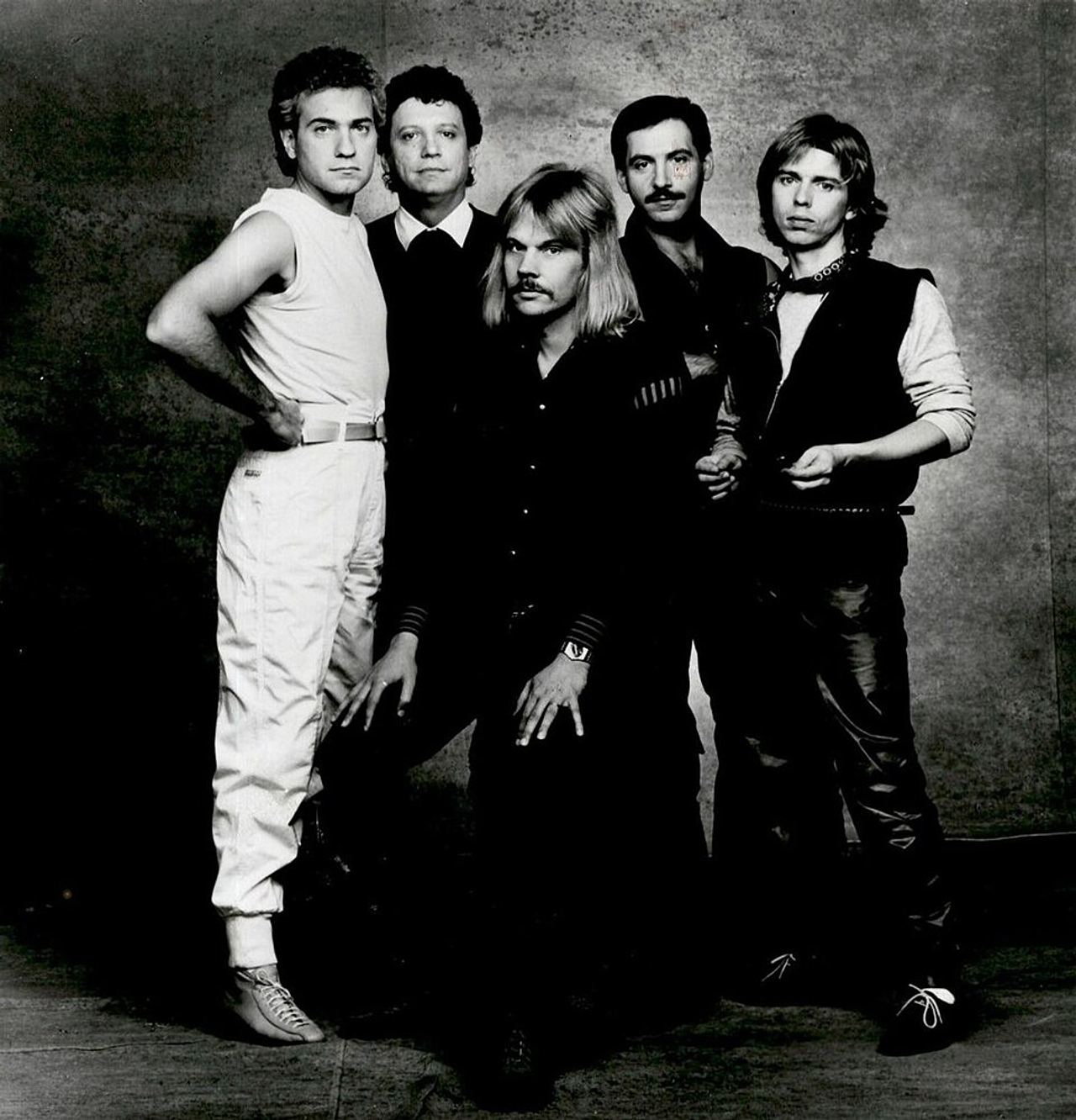
Styx in a 1983 publicity photograph, with Tommy Shaw at right. Photo: Front Line Management and A&M Records, via Wikimedia Commons. Public domain in the United States.
When that group ended, Shaw returned to Montgomery in 1975 and joined a band called Harvest. He kept writing, including a song called “Crystal Ball.” Then Styx called.
The group was in a genuine emergency. Guitarist John Curulewski had departed as a new tour approached. Shaw flew to Chicago, auditioned, and was hired on the spot.
The speed of the decision sounds reckless until the records are played.
“Crystal Ball” became the title song of Shaw’s first album with Styx in 1976. His high, clear voice and melodic guitar work added a new color beside Dennis DeYoung and James Young. The contrast gave the band more than one center of gravity.
The Grand Illusion followed in 1977 and transformed Styx into arena stars. Shaw wrote and sang “Fooling Yourself (The Angry Young Man),” turning nervous self-doubt into a soaring piece of progressive rock that could still move a large crowd.
On Pieces of Eight, his role became even harder to imagine the band without. “Blue Collar Man (Long Nights)” carried the anxiety and pride of someone desperate to work. “Renegade” began with an exposed vocal and grew into one of the group’s most enduring rock songs.
Shaw’s writing could be muscular without losing melody. He understood how a quiet opening makes a loud arrival feel larger, and how a chorus becomes communal when it gives the audience one clean emotional idea to hold.
The Styx years were not without conflict. The theatrical direction of Kilroy Was Here deepened creative tensions, and Shaw left after the tour. His 1984 solo album Girls with Guns opened another chapter, followed later by the supergroup Damn Yankees with Ted Nugent, Jack Blades, and Michael Cartellone.
The title “High Enough” could almost describe Shaw’s gift for harmony. With Damn Yankees, he proved that the recognizable voice was not dependent on one band’s name.
Tommy Shaw performing with Styx in 2010. Photo: Nirvanafanatic619. CC BY-SA 3.0, via Wikimedia Commons.
He eventually returned to Styx and helped carry the group into a new era of touring and recording. Decades after that hurried audition, the once-emergency replacement became one of the band’s defining figures.
Birthdays invite easy praise, but Shaw’s career offers something more useful than a list of hits. Preparedness met opportunity in Chicago. The phone call mattered because years of small stages had already made him ready for the room.
On September 11, the songs tell the story better than any celebration. A guitarist flew north for an uncertain audition, was hired before the day was over, and helped give a famous band the voice it did not yet know it needed.
Listen to the recording
The Guitarist Hired on the Spot Who Changed the Sound of a Famous Band
A phone call arrived when a successful rock band was running out of time. One guitarist had left, a tour was approaching, and the replacement flew to Chicago without knowing that the audition would change the next half-century of his life.
Tommy Shaw, born on September 11, 1953, turns 73 this year. His story with Styx began long before the platinum albums, arena choruses, and songs that still arrive on classic-rock radio every day.
Shaw grew up in Montgomery, Alabama. His grandfather once paid him a nickel to sing on the porch, a moment he later joked was his first professional engagement. At ten, he received the guitar that gave his ambition a direction.
By fourteen he was playing in a band. After high school, he joined M.S. Funk and spent years learning the discipline of working stages far from celebrity.
Styx in a 1983 publicity photograph, with Tommy Shaw at right. Photo: Front Line Management and A&M Records, via Wikimedia Commons. Public domain in the United States.
When that group ended, Shaw returned to Montgomery in 1975 and joined a band called Harvest. He kept writing, including a song called “Crystal Ball.” Then Styx called.
The group was in a genuine emergency. Guitarist John Curulewski had departed as a new tour approached. Shaw flew to Chicago, auditioned, and was hired on the spot.
The speed of the decision sounds reckless until the records are played.
“Crystal Ball” became the title song of Shaw’s first album with Styx in 1976. His high, clear voice and melodic guitar work added a new color beside Dennis DeYoung and James Young. The contrast gave the band more than one center of gravity.
The Grand Illusion followed in 1977 and transformed Styx into arena stars. Shaw wrote and sang “Fooling Yourself (The Angry Young Man),” turning nervous self-doubt into a soaring piece of progressive rock that could still move a large crowd.
On Pieces of Eight, his role became even harder to imagine the band without. “Blue Collar Man (Long Nights)” carried the anxiety and pride of someone desperate to work. “Renegade” began with an exposed vocal and grew into one of the group’s most enduring rock songs.
Shaw’s writing could be muscular without losing melody. He understood how a quiet opening makes a loud arrival feel larger, and how a chorus becomes communal when it gives the audience one clean emotional idea to hold.
The Styx years were not without conflict. The theatrical direction of Kilroy Was Here deepened creative tensions, and Shaw left after the tour. His 1984 solo album Girls with Guns opened another chapter, followed later by the supergroup Damn Yankees with Ted Nugent, Jack Blades, and Michael Cartellone.
The title “High Enough” could almost describe Shaw’s gift for harmony. With Damn Yankees, he proved that the recognizable voice was not dependent on one band’s name.
Tommy Shaw performing with Styx in 2010. Photo: Nirvanafanatic619. CC BY-SA 3.0, via Wikimedia Commons.
He eventually returned to Styx and helped carry the group into a new era of touring and recording. Decades after that hurried audition, the once-emergency replacement became one of the band’s defining figures.
Birthdays invite easy praise, but Shaw’s career offers something more useful than a list of hits. Preparedness met opportunity in Chicago. The phone call mattered because years of small stages had already made him ready for the room.
On September 11, the songs tell the story better than any celebration. A guitarist flew north for an uncertain audition, was hired before the day was over, and helped give a famous band the voice it did not yet know it needed.
Listen to the recording
Share
X

Telegram
Other posts
Draft
The Guitarist Hired on the Spot Who Changed the Sound of a Famous Band
Draft
The Guitarist Hired on the Spot Who Changed the Sound of a Famous Band
Draft
The Guitarist Hired on the Spot Who Changed the Sound of a Famous Band
Draft
The Guitarist Hired on the Spot Who Changed the Sound of a Famous Band
Draft
The Guitarist Hired on the Spot Who Changed the Sound of a Famous Band
Draft
The Guitarist Hired on the Spot Who Changed the Sound of a Famous Band
Draft
The Guitarist Hired on the Spot Who Changed the Sound of a Famous Band
Draft
The Guitarist Hired on the Spot Who Changed the Sound of a Famous Band