The Unsung Innovator Behind the Soap Opera Revolution
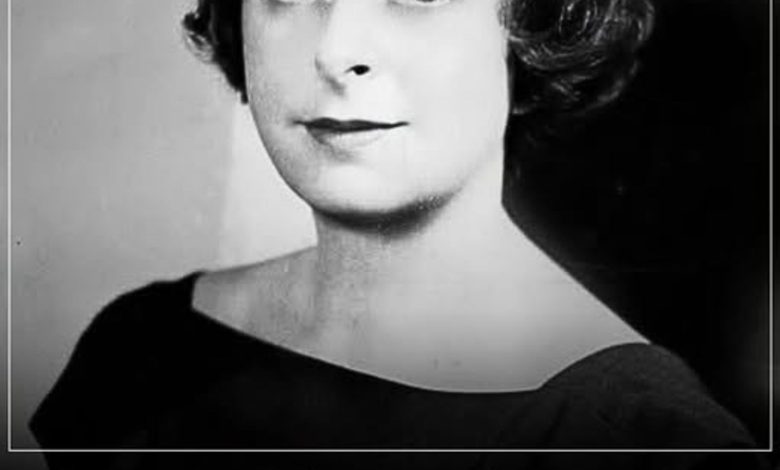
In 1930, Chicago was a city buzzing with ambition and change, yet for 29-year-old Irna Phillips, it felt like a dead end. Unemployed and disheartened, she had a vision that seemed radical, if not outright foolish, to the radio executives of her time. Her dream was to create a form of storytelling that thrived on continuity, a drama that could unfold over days, weeks, or even years, instead of the brief, self-contained stories typical of the era. With little more than determination and a belief in her idea, Phillips walked into WGN radio station, armed with a pitch that would forever alter the landscape of entertainment.
On October 20, 1930, her creation, “Painted Dreams,” hit the airwaves. With no budget to hire other actors, Phillips not only wrote the scripts but also stepped into a lead role herself. The show didn’t just present plots that wrapped up neatly; it invited listeners to return, day after day, to follow unfolding lives and unresolved tensions. Listeners, mainly women, found themselves hooked, their daily routines intertwined with the characters that Phillips had brought to life. Against the backdrop of an industry that dismissed her work as trivial, audiences embraced the emotional resonance and depth of her storytelling.
As the years rolled by, Phillips honed her craft, developing techniques that would lay the foundation for serialized television. She introduced the cliffhanger, a device that compelled audiences to tune in the next day. Her scripts were interwoven with poignant music, subtly guiding listeners through emotional highs and lows. Phillips understood the power of patience; her narratives lingered on small moments, capturing the essence of human experience rather than rushing toward a climactic conclusion. She wasn’t just writing stories; she was constructing a new language for television, one that merged daily drama with the ebb and flow of real life.
In 1956, the world of entertainment was ready for her vision. “As the World Turns” debuted on CBS, and the characters of Oakdale drew viewers into their lives, navigating the complexities of love and family. Critics labeled the show as slow and dull, but the audience—over ten million strong within just two years—disagreed. Women across the country found solace and companionship in its rhythms, as their own lives echoed the struggles and triumphs of the characters on screen.
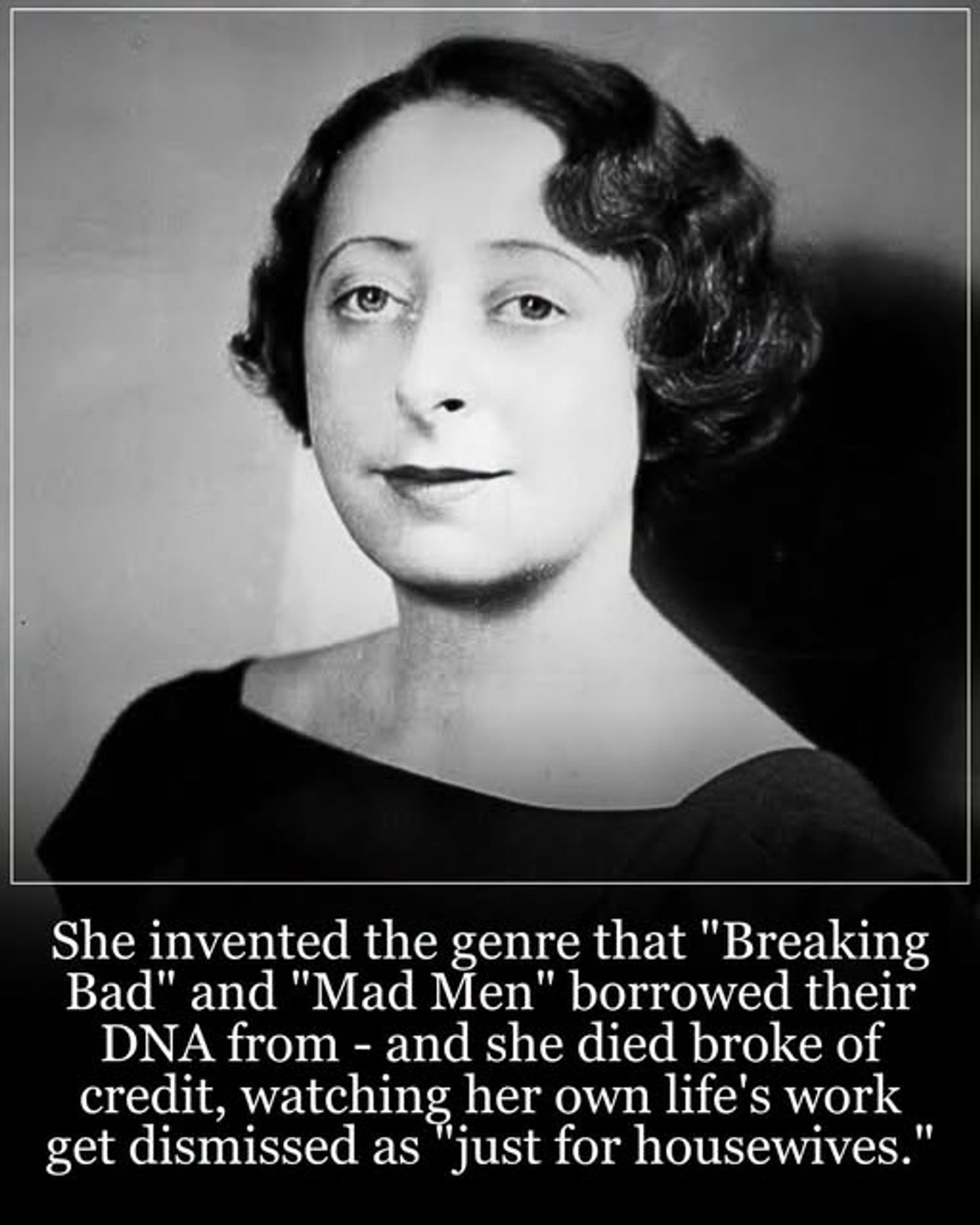
Despite her monumental contributions, Phillips remained largely unrecognized. Her name was seldom mentioned alongside the monumental shift she had initiated in storytelling. Yet, her legacy endured; the serialized format she championed became a staple for television, shaping the prestige dramas that would follow. As we reflect on the evolution of storytelling, it’s essential to remember the quiet innovators like Irna Phillips, whose relentless spirit and creativity laid the groundwork for an entire industry, giving voice to generations of stories yet to be told.