The Cultural Significance of Napping at Work in Japan
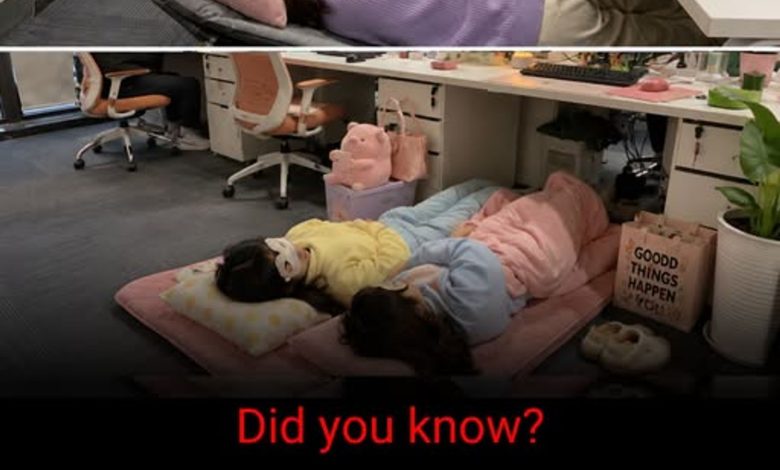
In the fast-paced world of corporate Japan, the office can often resemble a battlefield of deadlines and expectations. Long hours are a norm, and the pressure to perform is palpable. Yet, amidst the clatter of keyboards and hushed conversations, one might spot a figure with their head gently resting on a desk, peacefully sleeping. This scene, viewed through the lens of Western work culture, might evoke surprise or even disapproval. However, in Japan, this practice has a name: inemuri, which translates to ‘being present while sleeping.’
Inemuri is not merely an act of surrender to fatigue; rather, it encapsulates the spirit of dedication and hard work deeply rooted in Japanese society. When an employee naps at their desk, it often signifies that they have poured their heart and soul into their work, to the point of exhaustion. It is a silent testament to their commitment, an acknowledgment that they are pushing their limits to fulfill their responsibilities. For senior employees particularly, a brief sleep is seen as a badge of honor, a quiet proclamation that they have sacrificed their well-being for the sake of their duties.
The practice extends beyond the confines of an office. It is not uncommon to witness people dozing off on the train, in meetings, or even in classrooms. The sight can be striking for those unfamiliar with this cultural nuance. While junior employees might feel the weight of expectation to remain engaged and alert, senior staff members often enjoy the freedom to engage in inemuri, especially during less critical discussions. This unspoken hierarchy reveals much about the social dynamics at play, where the demands of the job often create an environment ripe for exhaustion, yet reward those who find ways to cope with it.
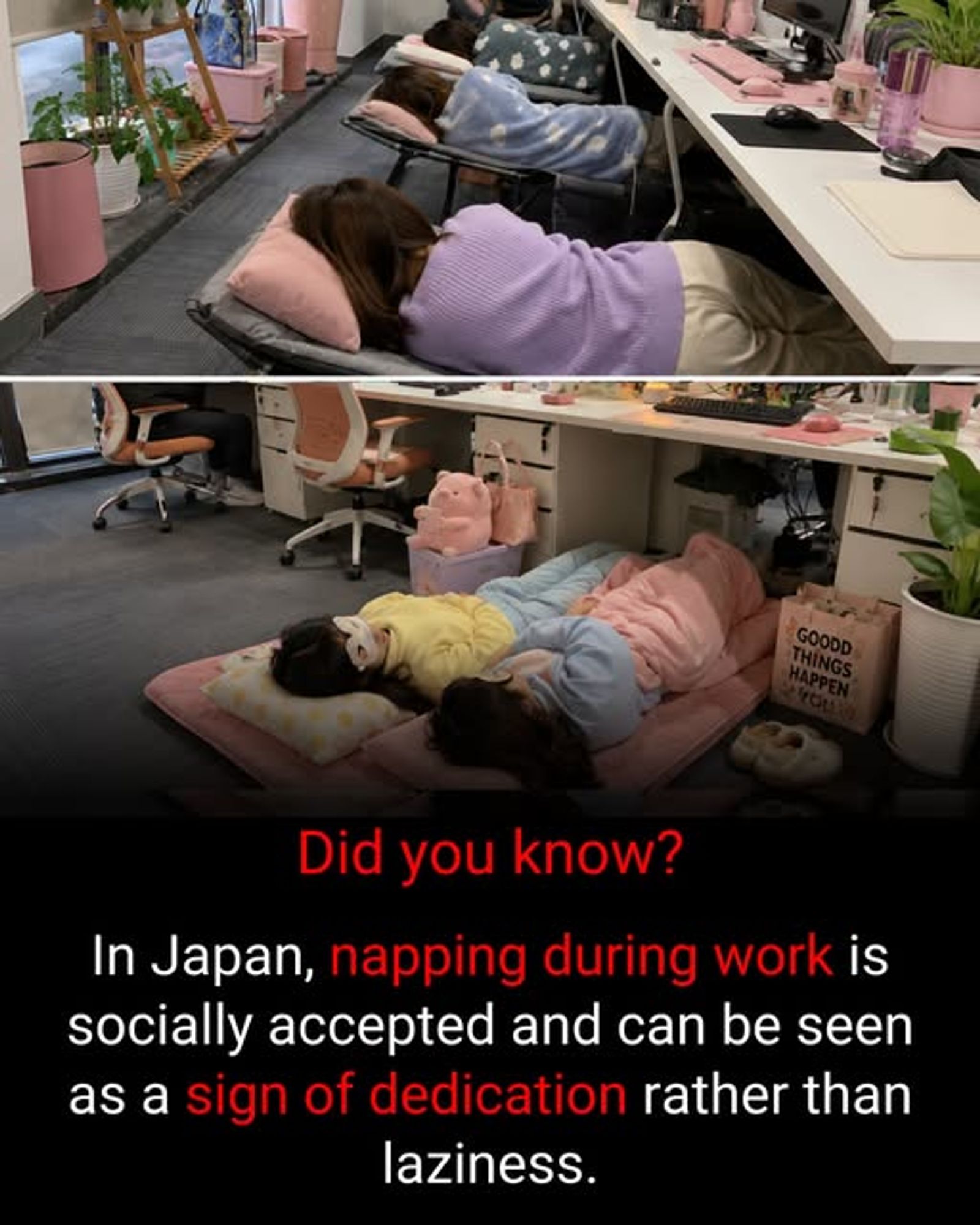
To outsiders, inemuri might seem like an odd endorsement of fatigue, but within Japan, it is a reflection of a broader work ethic. Here, the line between dedication and burnout can blur, as long hours contribute to a culture that prizes diligence over personal well-being. This juxtaposition raises important questions about the balance between productivity and health.
While the tradition of inemuri may be perplexing, it also serves as a poignant reminder of the burdens many professionals carry. The ability to take a quick nap in the midst of a busy day speaks volumes about the unrelenting pace of modern work life in Japan. It reveals a cultural understanding that sometimes, even the most devoted workers need a moment of respite, a fleeting escape that allows them to return with renewed energy.
As one reflects on this practice, it becomes evident that inemuri is less about the act of sleeping and more about the deeper implications of workplace culture. In a society that often prioritizes work above all else, the act of pausing to rest, even momentarily, is a profound expression of commitment to one’s work and, ultimately, to one’s self.