The Boy Who Stood Up for Injustice in a Time of Fear
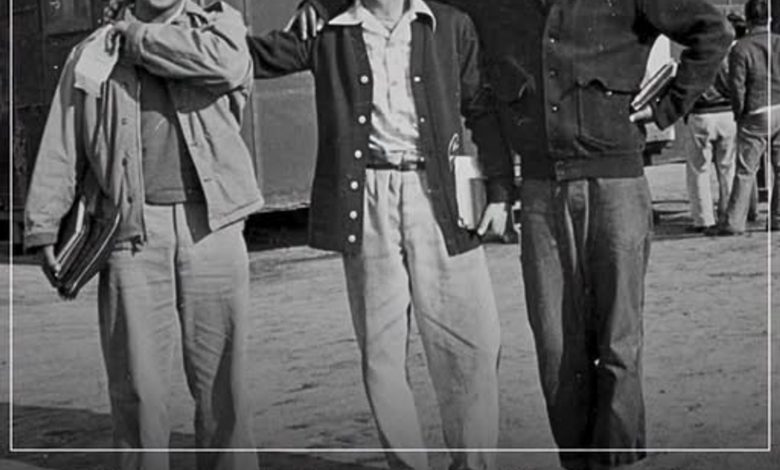
In the spring of 1942, the air was thick with tension and uncertainty, as the shadow of war crept across the American landscape. Just months after the attack on Pearl Harbor, fear transformed into action, and the U.S. government ordered the forced removal of over 110,000 Japanese Americans from their homes, displacing families and scattering them to desolate camps. In this climate of prejudice and fear, a 17-year-old boy named Ralph Lazo watched in disbelief as his friends were swept away, victims of a collective hysteria that bore no resemblance to the values of justice and equality that America professed to uphold.
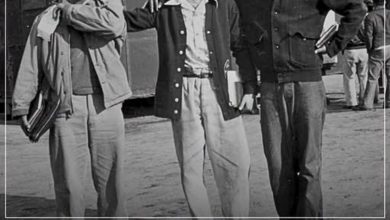
Ralph was a Mexican-American and Irish-American boy growing up in a vibrant, multicultural neighborhood of Los Angeles, where the bonds of friendship transcended race and heritage. At Belmont High School, he shared laughter and camaraderie with his Japanese American peers, engaging in spirited debates over homework and bonding over basketball games. To Ralph, they were not defined by their ancestry; they were simply his friends, individuals he cared for. But when the news of their impending deportation broke, that deep sense of kinship ignited a fierce sense of injustice within him.
Unable to fathom the cruelty being inflicted upon his friends, Ralph felt an unwavering conviction that he could not be a mere bystander while those he cared for were treated so unjustly. In May 1942, he made a choice that few would dare to make. He took a train to Manzanar, the very camp that would become synonymous with loss and suffering for his friends. Standing in line among the families being incarcerated for a crime they had not committed, Ralph did not hesitate. No one questioned him; no one needed to. He simply walked into the camp, his heart heavy yet resolute.
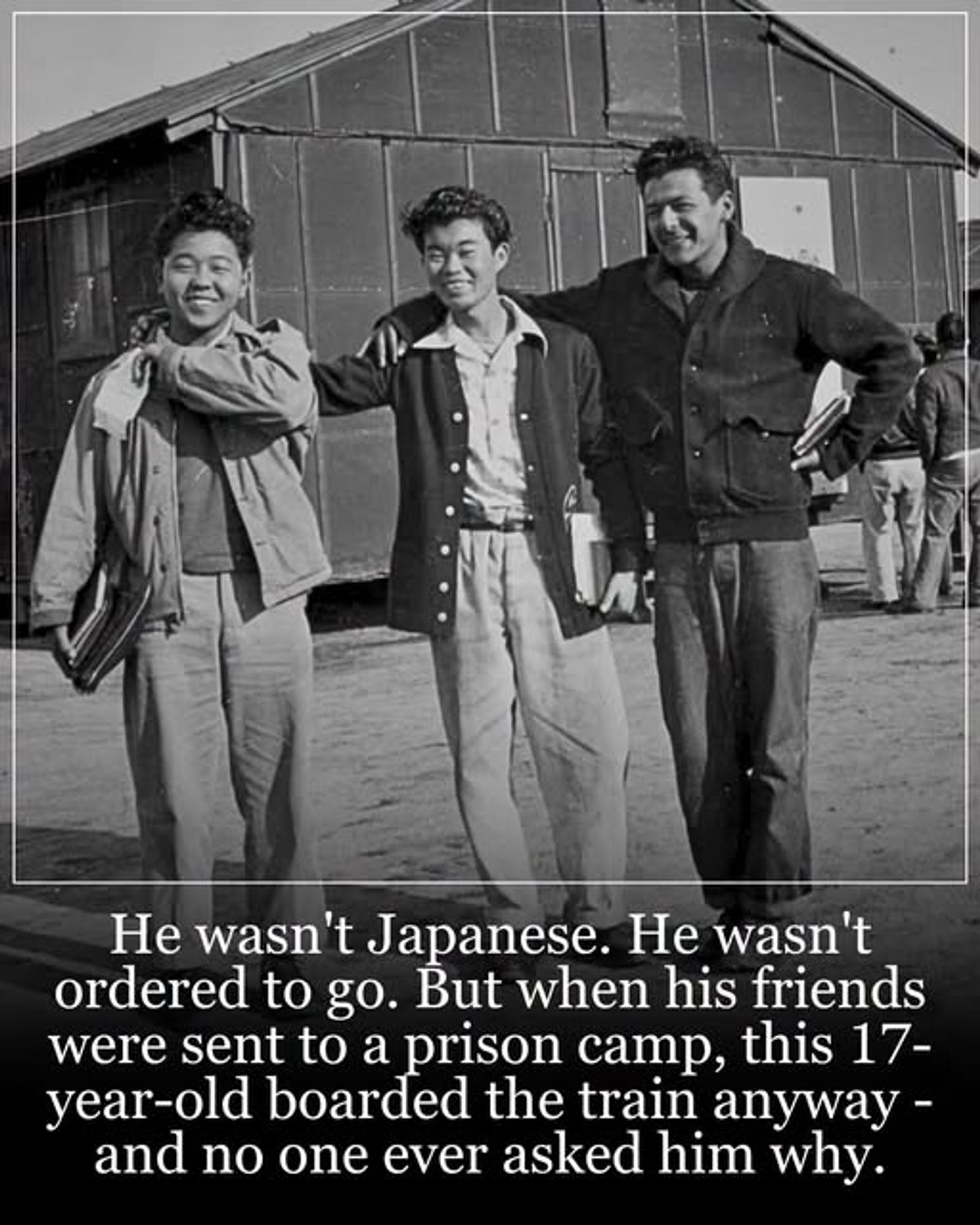
Life at Manzanar was a stark and painful contrast to the life Ralph had known. The camp was surrounded by barbed wire, and the cramped barracks echoed with the hum of disillusionment and despair. Yet, rather than succumb to the sorrow that enveloped so many, Ralph became a beacon of hope. He organized social events, created opportunities for education, and brought joy to children who had been torn from their communities. A remarkable spirit of resilience emerged among the inmates, and in a surprising turn, Ralph was elected class president of Manzanar High School. This vote of trust from a community that had every reason to be cautious of outsiders spoke volumes about his character and commitment to their shared humanity.
As the war raged on, Ralph was eventually drafted into the U.S. Army, serving bravely in the Pacific and playing a role in liberating the Philippines. He earned a Bronze Star for his courage, a testament to the boy who had once chosen to walk into imprisonment in defense of friendship and justice. Upon returning home, he did not forget the lessons of empathy and activism learned in Manzanar. Ralph dedicated his life to advocating for justice, ensuring that the shadows of prejudice would not obscure the light of humanity in America.
Ralph Lazo’s story is a powerful reminder of the role each individual can play in standing up against injustice, even when it feels like the world is turning its back. In a time when fear was rewriting the rules of American life, one boy’s decision to stand with his friends changed the narrative, proving that empathy can be a radical act of courage.