Renee Montgomery turned away from the court and into the boardroom

In 2020, Renee Montgomery made a choice almost no professional athlete makes by design: she stepped away from the best season of her career. Not because her body failed her, and not because the game had passed her by. She was still an elite player, a two-time WNBA champion and an 11-year veteran, yet she decided to sit out the season so she could spend her time organizing, educating voters, and pushing for change in Atlanta, the city she had come to call home.
Around her, the Atlanta Dream were in the middle of turmoil. The team’s co-owner, a public official, had spoken out against the very causes the players had centered their season around. Those causes were not abstract talking points; they were things the players believed strongly enough to risk paychecks and public pushback for. Montgomery could have treated it like a mess for lawyers, league officials, and owners to untangle. Instead, she looked at the problem from a different angle and asked what it meant when the people making decisions were not the ones most invested in the outcome.
So while many assumed her basketball chapter was closing, Montgomery was building something else in the background. She connected with people involved in More Than a Vote, the voter-engagement campaign, and began conversations with fellow athletes about a question that rarely gets asked aloud: what would it take for players to actually own part of the franchise they help build every day?
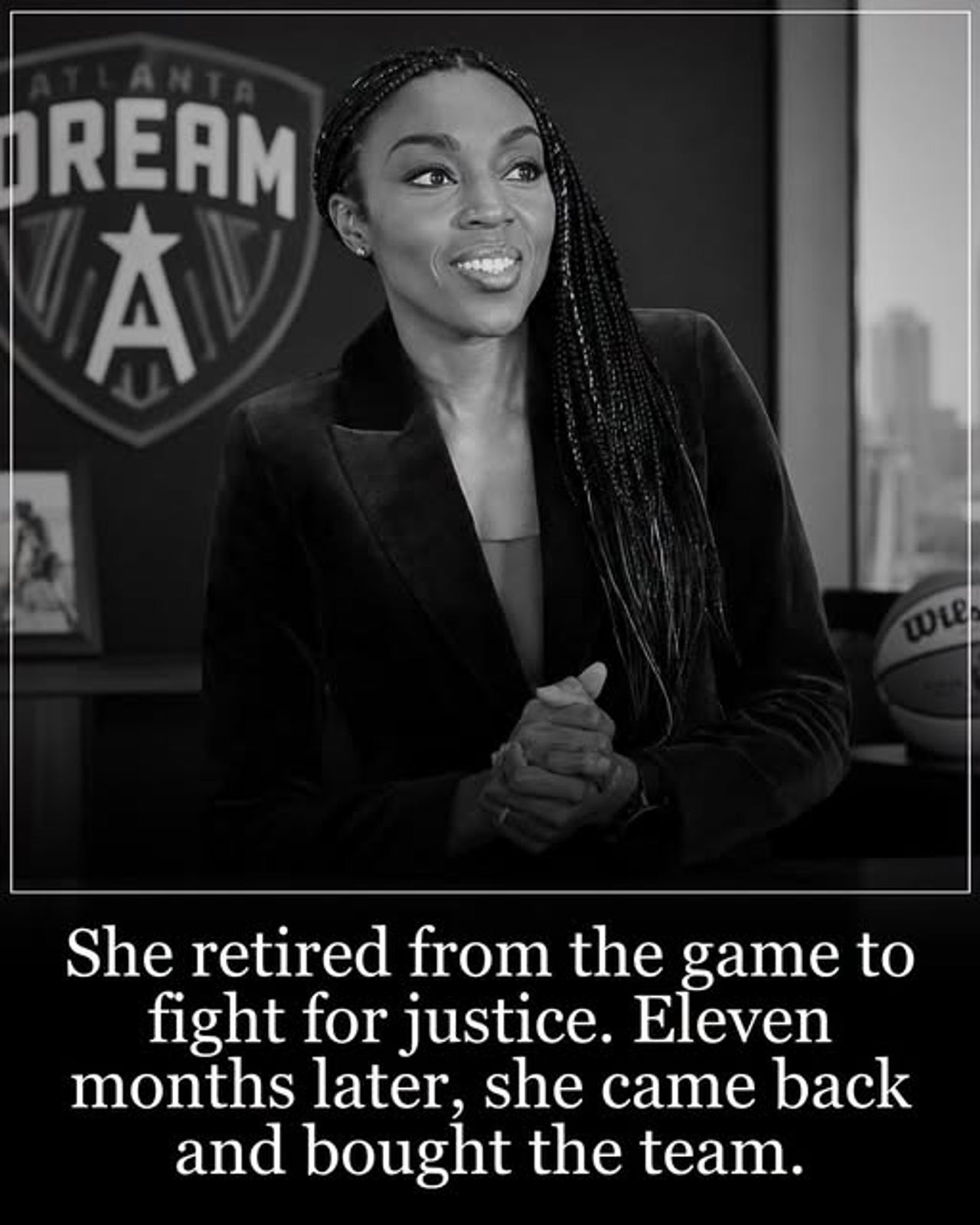
She started researching investment groups and making calls that most retired players never need to make. It was careful, deliberate work, the kind that does not make headlines until much later, if at all. Then, in February 2021, the picture came into focus. The WNBA and NBA Boards of Governors unanimously approved the sale of the Atlanta Dream to a new ownership group, and Renee Montgomery’s name was part of the deal.
With that, she became the first former WNBA player in history to hold both an ownership stake and an executive role with the same team she once played for. At the press conference, she called it exactly what it felt like: a dream fulfilled. She said it was a serious responsibility, especially because it broke barriers for minorities and women by placing a former player not just on the inside of the organization, but at the table where decisions are made.
But the line that lingered most was the one that followed: if a woman from a small town in West Virginia could become the owner of a WNBA team, then so could other women. That was the quiet power of Montgomery’s story. She did not come from a family of owners or from a world where boardrooms felt familiar. She got there by vision, persistence, and the courage to imagine a different kind of future.
In the end, her move was bigger than basketball. It was a reminder that leadership can begin the moment someone decides not just to demand a seat, but to build a place at the table for others too.