How Rotherham turned roadside grass into a river of flowers
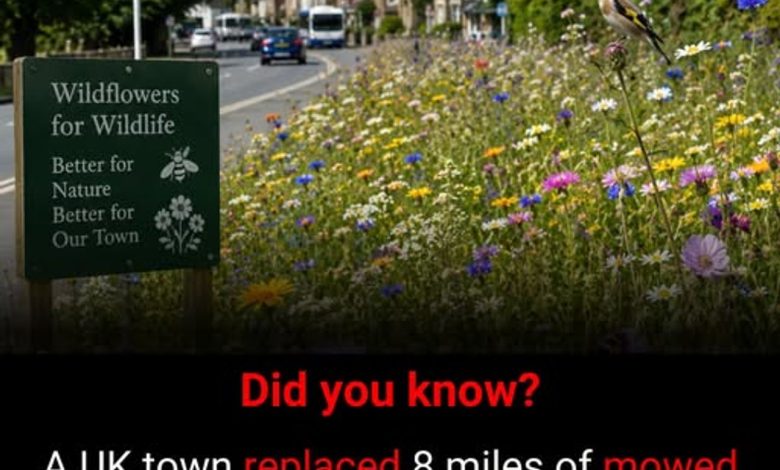
In 2013, a stretch of road in Rotherham, South Yorkshire, began to change in a way that was both practical and quietly beautiful. Along eight miles of the town’s main ring road, the council chose to stop cutting the grass as it had done for years and instead let native wildflowers take root. What might have looked, at first, like a simple maintenance decision soon became a project with a life of its own.
The initiative was called the River of Flowers, and it was created with help from Pictorial Meadows Ltd, the same company behind the wildflower displays at London’s 2012 Olympic Village. The aim was never just to make the roadside prettier, though that was certainly part of the result. The idea began with a very ordinary problem: mowing the verges was expensive, costing the council about £80,000 a year, and it also meant repeated weekend road closures that caused inconvenience for drivers.
By replacing short grass with a carefully chosen mix of wildflowers, the council found a solution that worked on several levels at once. It reduced the need for mowing, saved around £25,000 each year, and removed some of the disruption that came with regular maintenance. What began as a cost-saving measure was soon turning the town’s ring road into something far more memorable than a strip of clipped grass.
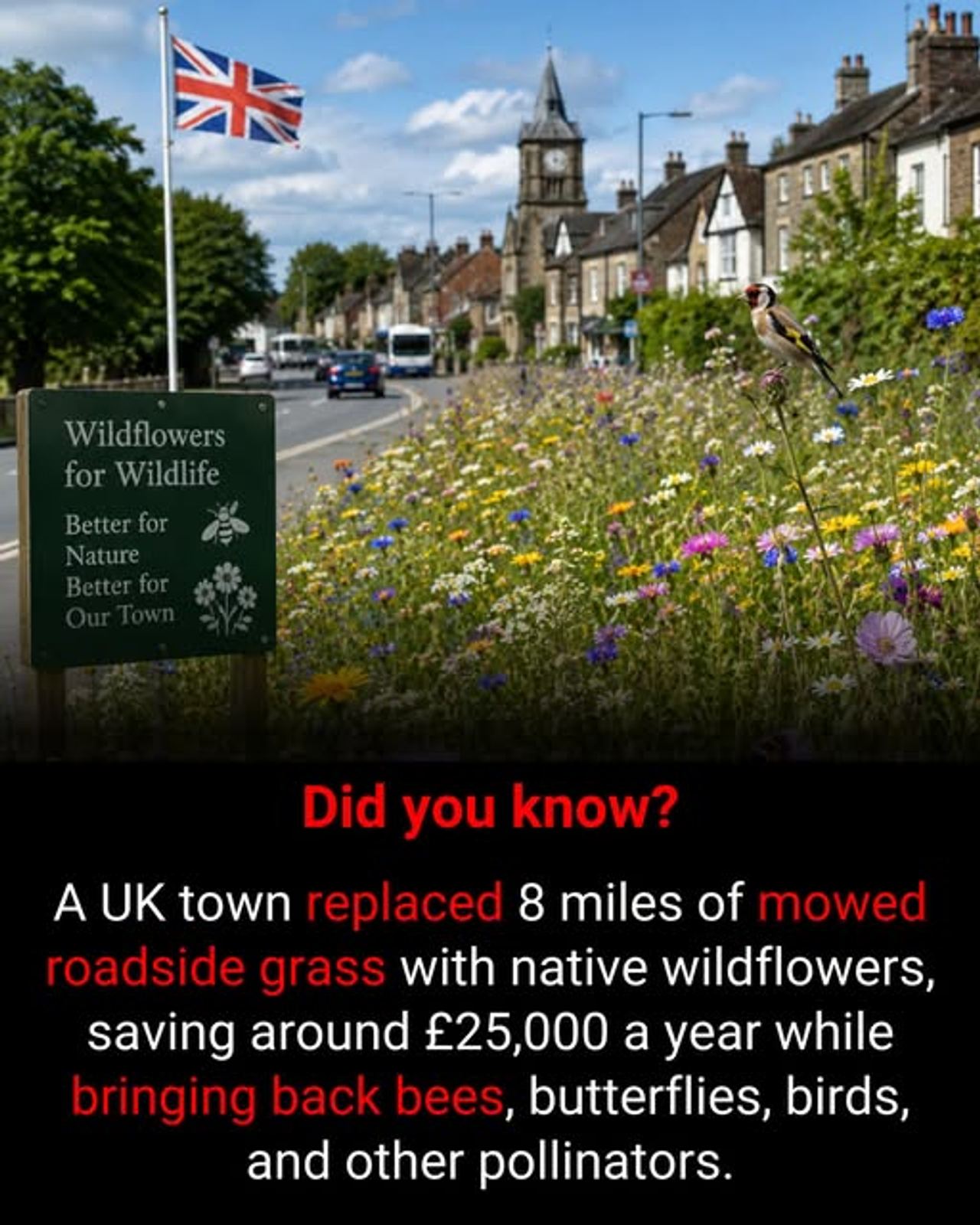
The public response was immediate and enthusiastic. In the project’s first year alone, the council received more than 250 emails and letters from people praising the display. Visitors also began travelling from across Britain to see the flowering roadsides for themselves. The ring road, once a practical corridor through town, had become a place people wanted to look at, talk about, and remember.
But the most meaningful change was happening in the living world around the flowers. Bees, butterflies, birds, and other pollinators began to return, drawn by the restored habitat. That mattered especially in a country where Britain has lost around 97% of its traditional wildflower meadows since the 1930s. In that wider context, Rotherham’s roadside experiment carried a significance far beyond the town itself.
What made the River of Flowers so striking was its sense of possibility. A project designed to cut costs and reduce inconvenience ended up brightening the landscape, delighting residents, and offering a real boost to wildlife. It showed that when councils look at public space with a little imagination, ordinary places can do extraordinary things. In Rotherham, a roadside became a reminder that nature and community do not have to compete — they can grow together.