Victoria Soto’s last lesson was an act of love and courage
On the morning of December 14, 2012, Victoria Soto did what she had done so many weekday mornings before. She got up, got ready, and drove to Sandy Hook Elementary School in Newtown, Connecticut, where she was in her third year of teaching first grade. She was 27, still young enough that the life she was building as a teacher felt full of possibility, yet already known by friends and colleagues as someone deeply committed to her students.
Victoria had a habit of putting her classroom first in ways both big and small. She spent her own money on books for her students more than once, choosing materials that would make her room feel welcoming and alive. People who knew her said she often talked about wanting to be the kind of teacher she wished she had as a child: patient, warm, and fiercely protective. It was the kind of devotion that can seem ordinary until the moment it is tested.
That morning began like any other school day, and then, suddenly, it did not. When gunfire broke out in the building, Victoria did not freeze. She began gathering the six- and seven-year-old children in her classroom, moving them quickly and quietly toward a closet at the back of the room, trying to hide as many of them as possible. In those first terrifying moments, she placed herself near the door, standing between her class and the danger moving through the school.
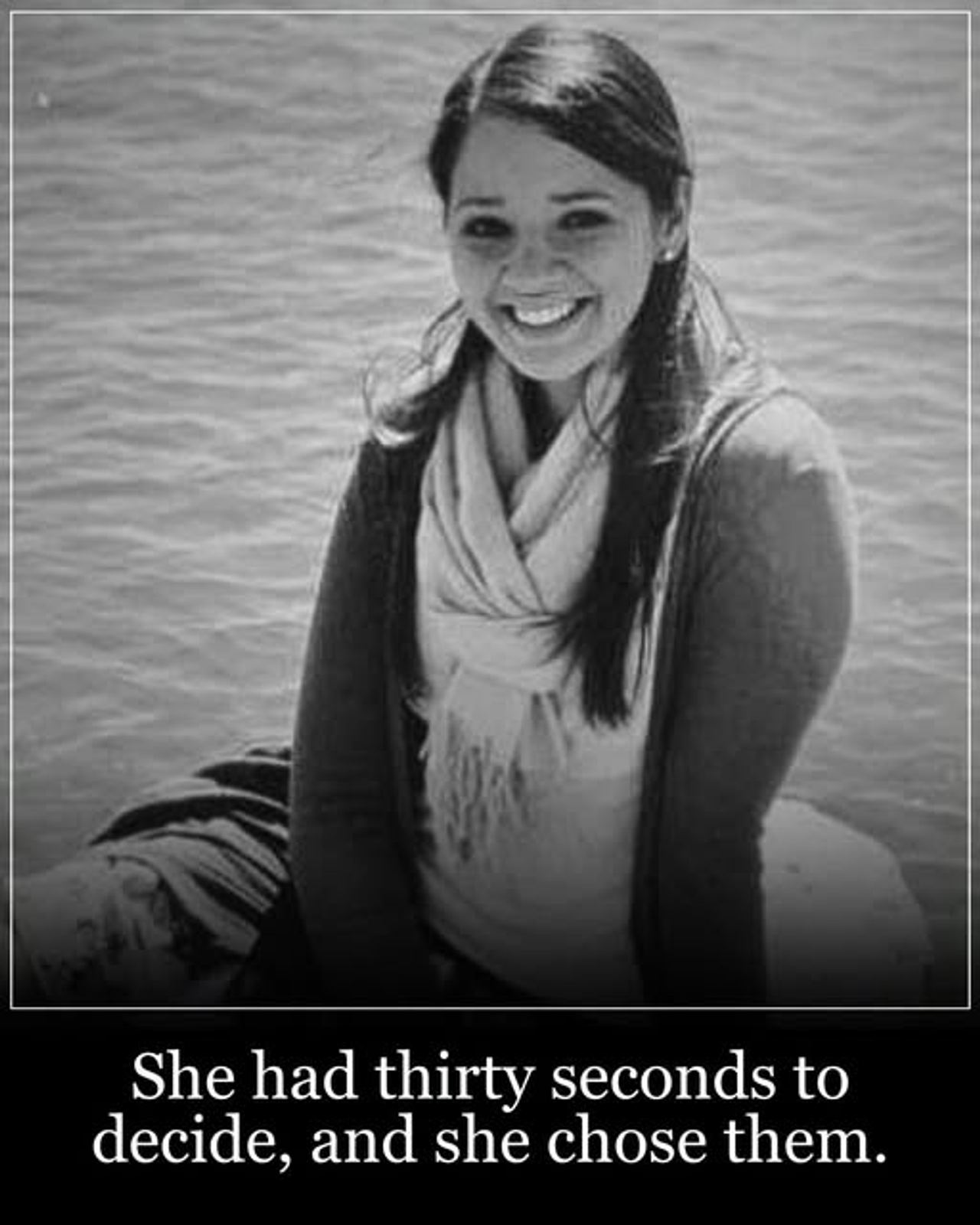
When the gunman entered her classroom and demanded to know where the children were, Victoria told him they were elsewhere in the building, in the gym. It was a lie she understood could cost her everything. She stayed anyway. In the chaos that followed, some of the children ran, and not every child made it out. But because of the seconds she bought them, because of where she told them to hide, many of her students survived that day and returned home to their families.
Victoria Soto was killed while trying to shield her class from harm. She had no weapon and no special training for a moment like that. What she had was instinct, tenderness, and the kind of courage that does not announce itself until it is needed most. In the days and weeks after the shooting, the people who knew her did not speak of someone who became brave in an instant. They spoke of someone who had always been brave in the quiet, daily ways that mattered most.
They remembered the books she bought with her own paycheck, and the way she talked about her students as if they were her own children. The gentleness people saw in her carried, as it turned out, a spine of steel. In February 2013, President Obama presented Victoria Soto’s family with the Presidential Citizens Medal, along with the medals given to five of her colleagues who also died trying to protect the children of Sandy Hook.
A street in Stratford, her hometown, was renamed in her honor, and a scholarship fund was created in her name. Those tributes cannot undo what was lost, but they help preserve what mattered most about her: that on one unbearable morning, a teacher chose her students first. And in that choice, Victoria Soto left behind a lasting reminder of what love can look like when it becomes action.