The bus stop in Maseru where a life-changing yes began
Before Reinhard ever set foot in Lesotho, others had already done the hard, hidden work of planting the gospel across Africa. In villages few people would ever know by name, missionaries had labored quietly and often at great cost. By the time the young German evangelist arrived, he understood that any harvest he might one day see was not something he had planted himself.
That conviction mattered to him, because he was deeply troubled by another question: how does a message that once brought life become lifeless? How does something moved by the Spirit slowly harden into routine? Around him, he saw old methods repeated without passion and new ideas rejected simply because they were new. He did not want to drift into that kind of faith.
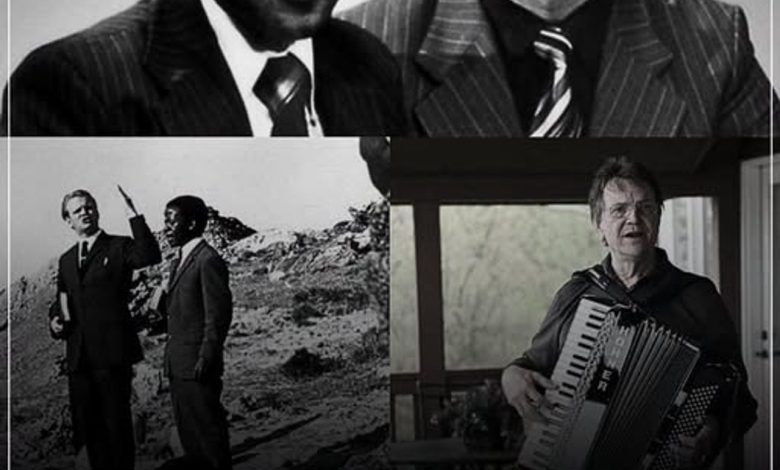
So he made a choice that, at the time, must have seemed almost reckless. Rather than settle into the safety of a familiar pulpit, he took his message into the streets of Maseru, the capital of the small mountain kingdom. Each day he carried his accordion into marketplaces and bus stops, playing and singing until a few curious people gathered around. Only then would he open his Bible before the crowd scattered again.
It was simple. Unpolished. Often discouraging. For a long while, it seemed to go nowhere. But on his very first day preaching at a bus stop, something happened that stayed with him forever. A tall young man stepped out from the crowd, a colorful tribal blanket wrapped around his shoulders, and through an interpreter he said, “I want this Jesus you have just preached. I want Him.”
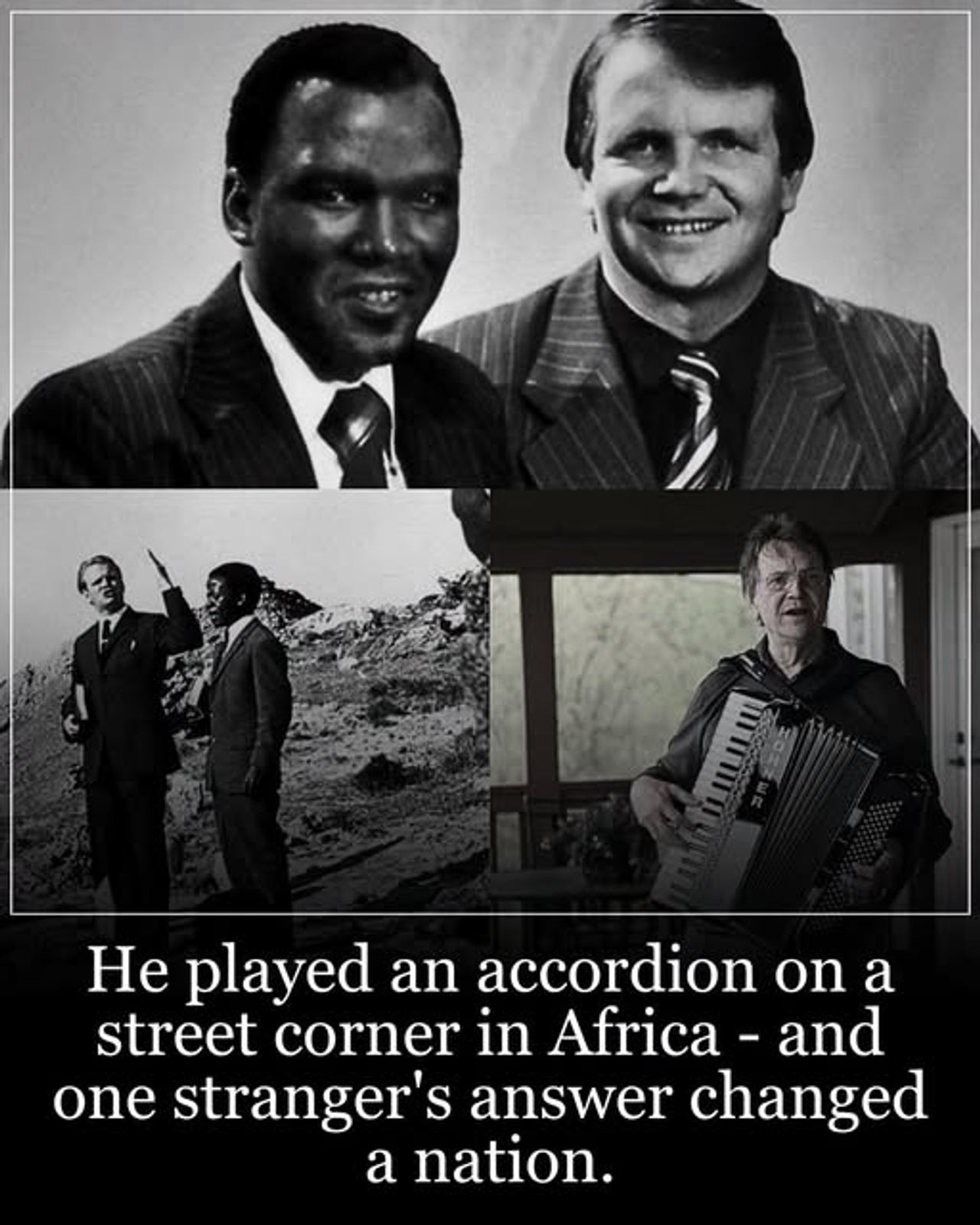
The two sat together in the front seat of an old Volkswagen microbus and worked through the message line by line. Before long, the young man gave his life to that decision. His name was Michael Kolisang, and he became the first unmistakable sign that the street ministry was not in vain.
What followed, however, was not a sudden wave of response. After that extraordinary first day, Reinhard preached sermon after sermon with no visible results for a long season. It would have been easy to assume that the first conversion was only a moment of beginner’s luck, impossible to repeat. But he kept showing up. He kept playing the accordion. He kept speaking.
In time, something began to change. Years later, Michael Kolisang would rise to become a bishop, lead a congregation of thousands, oversee multiple churches across the country, and help launch a Christian radio station that still carries hope across Lesotho today.
It is a story about persistence, but also about humility: one man refused to mistake a slow season for failure, and one stranger chose to listen. From an accordion at a bus stop came a legacy that reached far beyond a single conversation, reminding us that quiet faithfulness can outlast discouragement, and that sometimes the most lasting harvest begins with one unexpected yes.