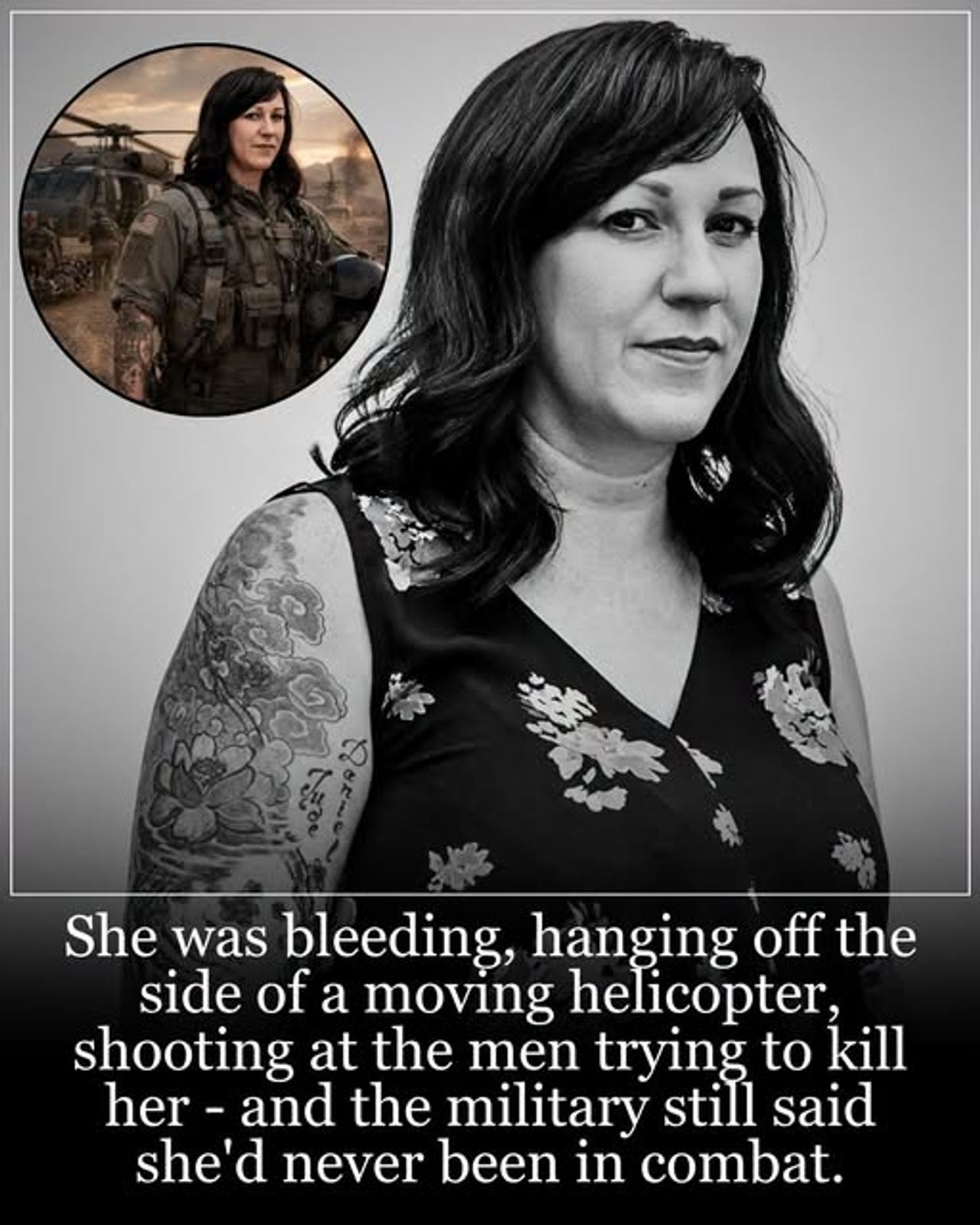
“On July 29, 2009, Major Mary Jennings Hegar was flying co-pilot on a

“On July 29, 2009, Major Mary Jennings Hegar was flying co-pilot on a rescue mission near Kandahar, Afghanistan. Three American soldiers had been hit by an IED. Her crew’s job was simple: get in, get them out, get home. It didn’t go simple. As their helicopter came down toward the wounded soldiers, enemy fire ripped through the aircraft. Her pilot was hit. Shrapnel tore into Hegar’s arm and leg. Blood soaked through her flight suit. She kept her hands on the controls anyway, and the crew got the wounded soldiers loaded. Then the helicopter started dying beneath them. Fuel was leaking from the hits it had taken. There wasn’t enough left to make it home. They put it down hard, two miles from where they needed to be — deep in hostile territory, with no cover and no backup in sight. Wounded, outnumbered, and surrounded, the crew formed a defensive perimeter around the aircraft and held their position, protecting each other and the injured soldiers still with them. Then help arrived — but not the kind anyone expected. Two small Army scout helicopters, built for two people each, diverted to pull them out. There was no room inside for the rest of the crew. The only way out was to ride on the skids, in the open, with nothing between them and the ground fire below. Hegar climbed on. She gave up her own ammunition and water to the crew members who still had people to protect on the ground, kept one magazine for herself, and got clipped in with a safety line. As the helicopter lifted off, she braced her rifle and returned fire — covering her crew as they ran for safety, holding her position as the aircraft climbed out of range. Everyone made it home alive. For her actions that day, Hegar received the Purple Heart and the Distinguished Flying Cross with Valor — becoming only the second woman in American history to receive that medal for valor, after Amelia Earhart. Here’s the part that stops people cold: under military policy at the time, none of it officially counted as “”combat.”” Women weren’t classified for combat roles — no matter what they’d actually done. It wasn’t a technicality that stayed on paper. When Hegar’s injuries ended her flying career and she tried to move into a ground combat role that matched her skills and experience, the policy blocked her. Not because she wasn’t qualified. Because of a rule that no longer matched reality. In 2012, she became the lead plaintiff in a lawsuit challenging that policy. Her case was simple: the record already showed