Sally Ride’s quiet courage reached far beyond the launch pad
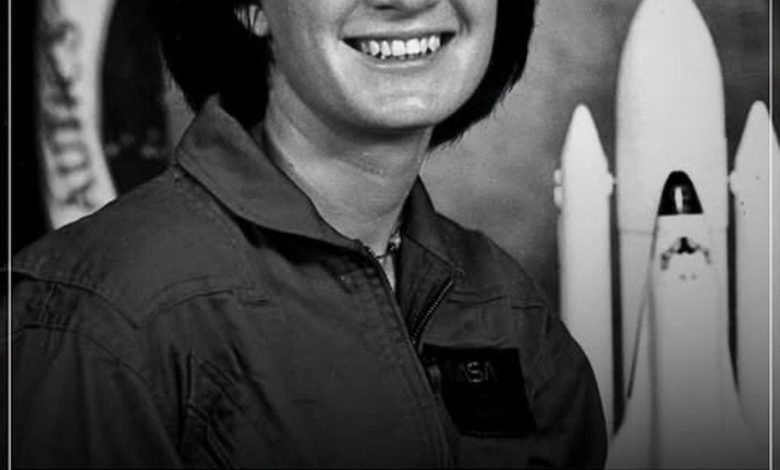
On the morning of June 18, 1983, the world watched as a 32-year-old physicist climbed into the Space Shuttle Challenger and waited for the engines to ignite. Outside, the crowd held up handmade signs that repeated the same joyful command: “Ride, Sally, Ride.” Inside, Sally Ride sat calmly, just minutes away from becoming the first American woman to leave the planet. It was a moment that would enter history, but the road to that seat had been anything but simple.
Ride had earned a doctorate in physics from Stanford and survived one of the most competitive selection processes in American history, emerging from thousands of applicants as one of just 35 chosen — among them only six women. Yet in the months before launch, much of the attention she received had little to do with her skill or training. Reporters asked whether she planned to wear a bra in space. They asked whether she cried when equipment failed. One, apparently sincere, wondered whether spaceflight might harm her reproductive organs. The questions were intrusive, patronizing, and telling.
Even the preparations around her sometimes reflected the same assumptions. Engineers trying to assemble her supplies for the mission offered her around a hundred tampons for a six-day flight. Ride’s response, delivered without fuss, was as sharp as it was understated: that was slightly more than necessary. It was the kind of moment that captured something essential about her — a woman who did not need to perform defiance when plainspoken intelligence would do.
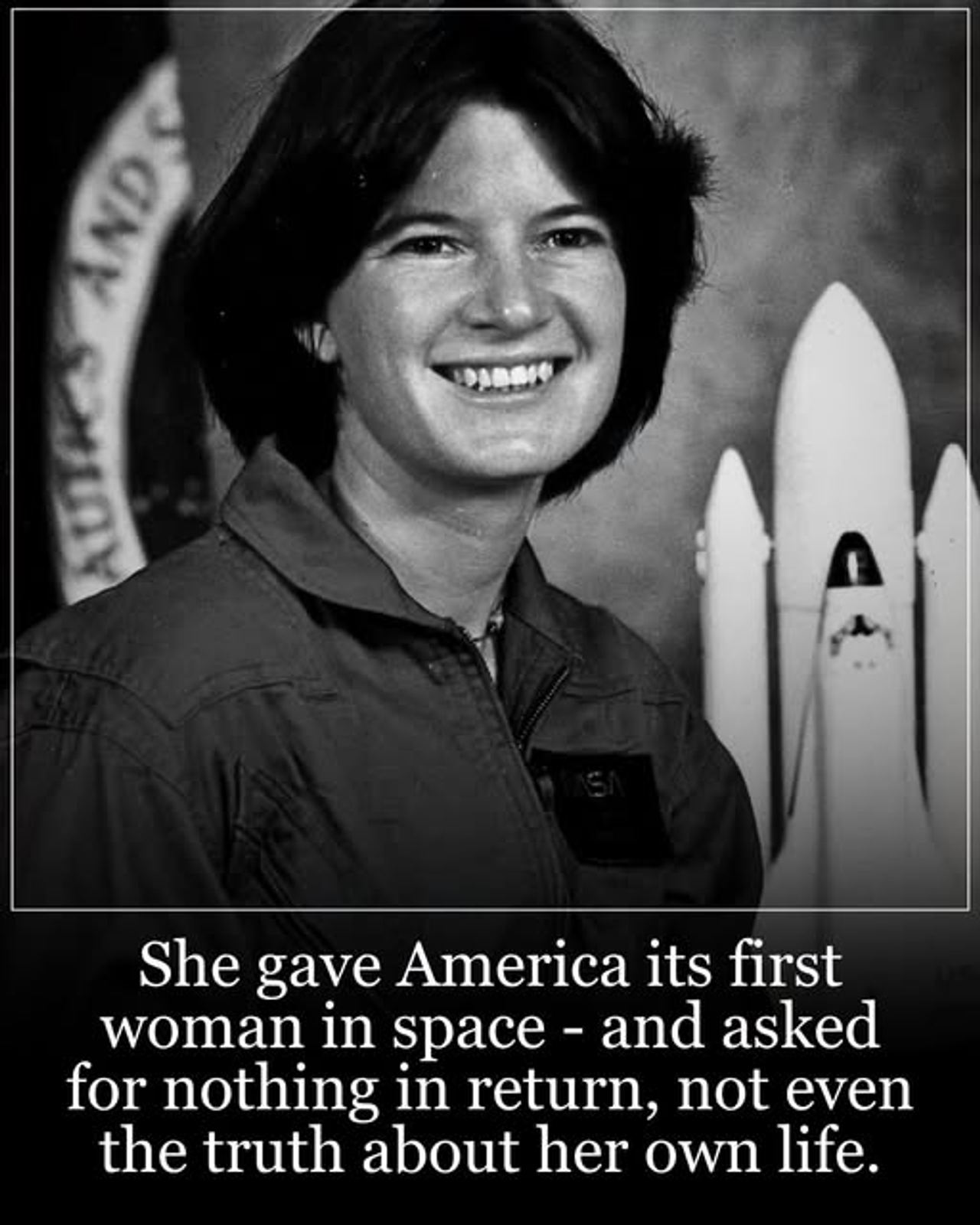
Then, at last, the noise fell away. The boosters fired. Challenger lifted off the pad. Sally Ride rose into the sky and out beyond the reach of every question that had tried to define her. She returned to space the following year, and by the end of her career had logged more than 343 hours above the Earth she had once watched from a launch pad.
Her life after flight carried the same quiet purpose. When Challenger broke apart during liftoff in 1986 and all seven aboard were killed, Ride was asked to help investigate what had gone wrong. Nearly two decades later, after Columbia was lost on reentry, she was called on again. She remains the only person ever to serve on both investigations. She was not content to be a symbol; she became a force for understanding, accountability, and change.
But perhaps her most lasting work happened away from the glare of fame. Ride chose to step out of the spotlight and build something more durable: a company aimed at reaching girls in classrooms before the world could tell them science was not for them. She wrote children’s books about the stars. She gave far fewer interviews about being “the first” than people expected, and spent far more energy making sure she would not be the last.
Sally Ride died of pancreatic cancer on July 23, 2012, at 61. Only then did the fuller shape of her private life come into view, when her obituary named Tam O’Shaughnessy, her partner of 27 years. For nearly three decades, the first American woman in space had quietly shared her life with another woman, and almost no one outside her closest circle knew. In the end, her story feels even larger for what she carried in silence: brilliance, courage, restraint, and a steady commitment to making room for others to follow.