A Freezing New York Night Gave The Mamas & The Papas the Song That Defined California
A song sparked by cold, distance and longing
Before “California Dreamin’” became shorthand for West Coast yearning, it started as a small domestic moment: John and Michelle Phillips, living in New York, feeling far removed from the climate and mood they associated with California. The image at the heart of the song was not abstract. It was immediate and physical — gray skies overhead, bare trees, cold streets, and the emotional drag of winter settling in.
One night, that discomfort turned creative. John Phillips woke Michelle and began shaping the idea into lyrics and melody, building a song around a simple contrast: the bleakness of a New York winter against the imagined glow of California. That tension gave the song its durability. It was not only about geography; it was about desire, memory and escape.
“All the leaves are brown, and the sky is gray” remains one of pop music’s most efficient opening lines, sketching weather, mood and longing in a single breath.
How personal homesickness became a universal anthem
The power of “California Dreamin’” lies in how recognizable its emotional setup is. Nearly everyone knows the feeling of being stuck in the wrong season, the wrong city or simply the wrong frame of mind, and imagining that somewhere else might restore you. John and Michelle Phillips translated that feeling into vivid, concrete language rather than grand declarations, which is one reason the song still feels intimate.
California, in the song, functions as both a real place and an idea. It is sunlight, ease and emotional relief, but it is also the projected answer to discomfort. That ambiguity is part of what made the song resonate so widely. Listeners did not need to be from California to understand it. They only needed to know what it meant to long for a different horizon.
The Mamas & The Papas and the sound of a moment
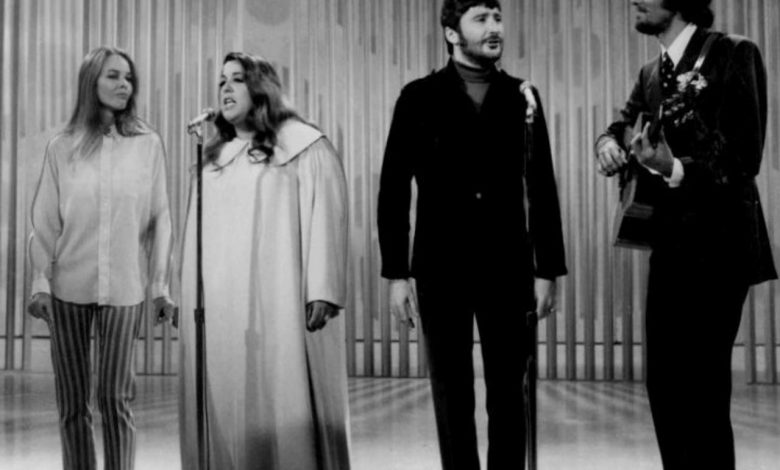
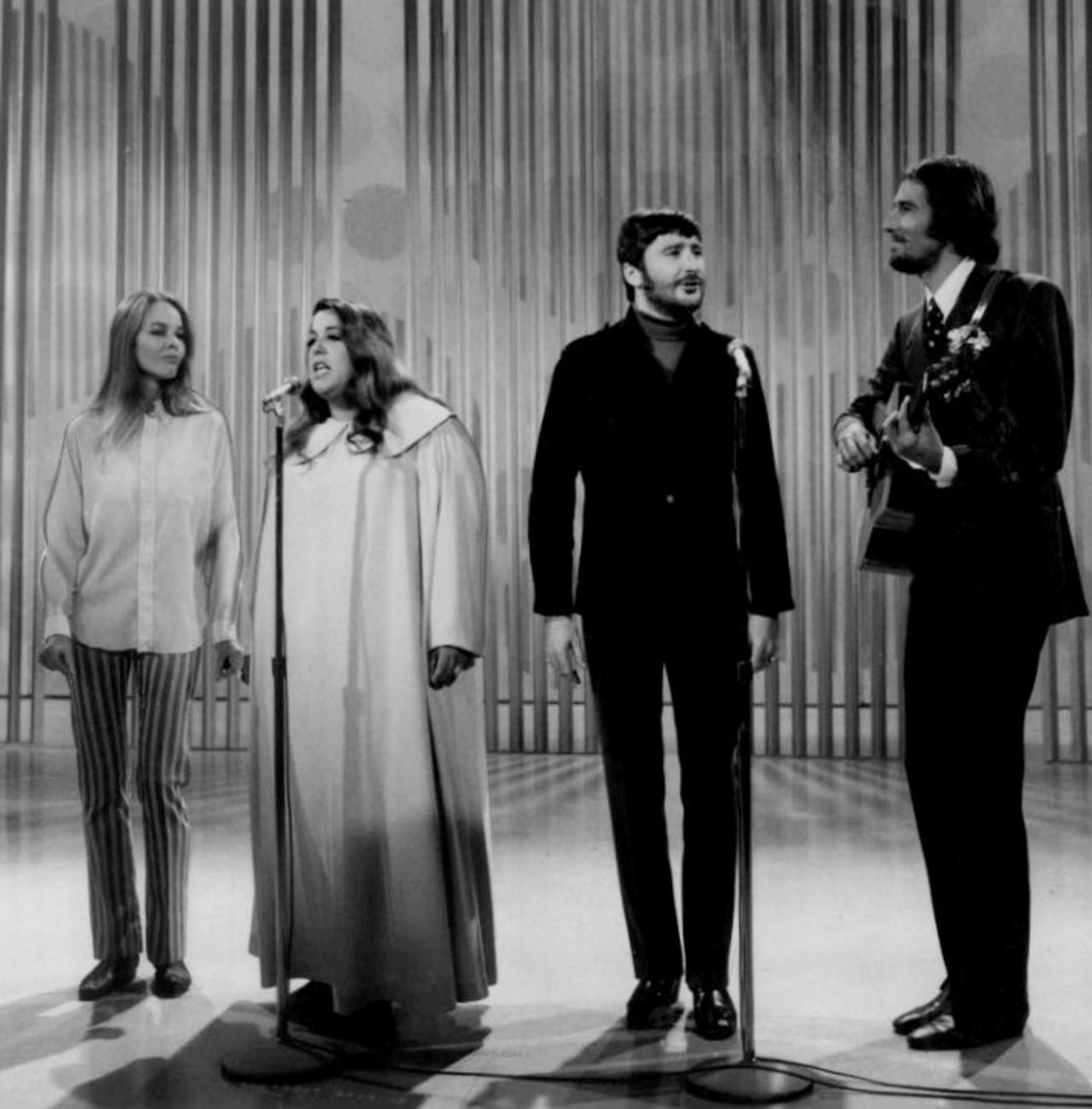
When The Mamas & The Papas recorded the song, they gave that longing a rich group texture. The blend of voices helped transform a private thought into a communal feeling, as if yearning itself had become something people could sing together. The record’s atmosphere is polished yet restless, carrying both chill and warmth at once.
That combination made the song stand out in the 1960s pop landscape. It had the accessibility of a hit single, but it also carried a cinematic sense of place. The arrangement and vocal interplay turned a simple premise into a mood piece, one that listeners could step into as easily as a winter street or a daydream of the Pacific coast.
Why California became larger than the map
Part of the song’s endurance comes from timing, but part comes from the mythology it helped reinforce. California had long represented reinvention, sunshine and possibility in the American imagination, and “California Dreamin’” captured that mythology in a distilled form. It made the state feel less like a destination than a state of emotional rescue.
Yet the song does not celebrate arrival. It lingers in the ache before it. That is the secret of its emotional hold. The narrator is still trapped in the cold, still looking outward, still imagining the warmth rather than inhabiting it. In that suspended state, the song becomes more powerful than a travel postcard. It becomes a study in desire itself.
A winter snapshot that became a permanent cultural image
Over time, “California Dreamin’” came to represent more than its origin story. It became one of the signature songs associated with the 1960s and with an idea of California that mixed glamour, freedom and wistfulness. Its opening imagery remains instantly identifiable because it captures mood so economically: the season, the city, the emotional weather.
What began with John and Michelle Phillips feeling cold in New York ultimately entered the larger cultural memory as a song about place, fantasy and emotional survival. That is often how enduring pop songs work. They begin with one sharp, personal sensation and grow until they seem to belong to everyone.
The lasting appeal of dreaming elsewhere
The song still lands because its central impulse has never gone away. People continue to imagine better climates, cleaner starts and brighter versions of themselves somewhere else. “California Dreamin’” gives that urge a melody and a setting, but it also leaves room for listeners to substitute their own version of escape.
In that sense, the song’s origin matters because it keeps the legend grounded. Before it was an emblem of an era, it was simply a reaction to cold and absence. That human scale — two people in winter, thinking about warmth — is what gives the song its emotional truth, and why its dream remains easy to recognize decades later.
Quick Facts
- Song: “California Dreamin’”
- Artists: The Mamas & The Papas
- Core inspiration: John and Michelle Phillips feeling cold and homesick in New York
- Central theme: Longing for warmth, sunlight and California
- Emotional setting: Winter bleakness contrasted with an imagined West Coast escape
Image credits: CBS Television / Wikimedia Commons / Public domain; Dunhill / Wikimedia Commons / Public domain; Dunhill Records, subsidiary of ABC Records Inc. / Wikimedia Commons / Public domain.