A woman defies the odds.
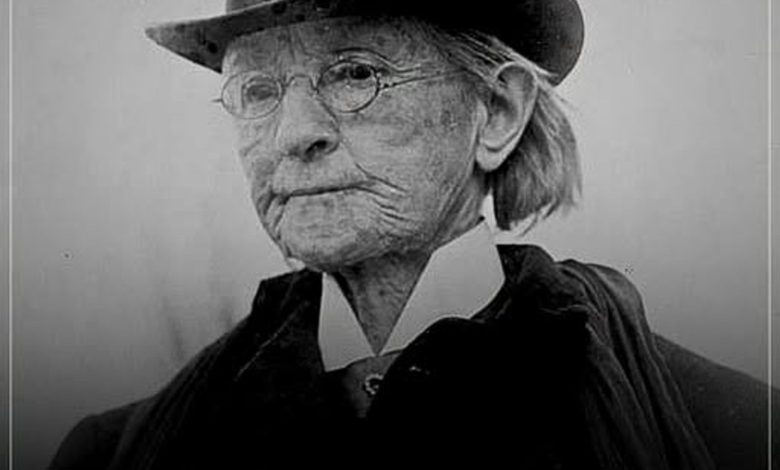
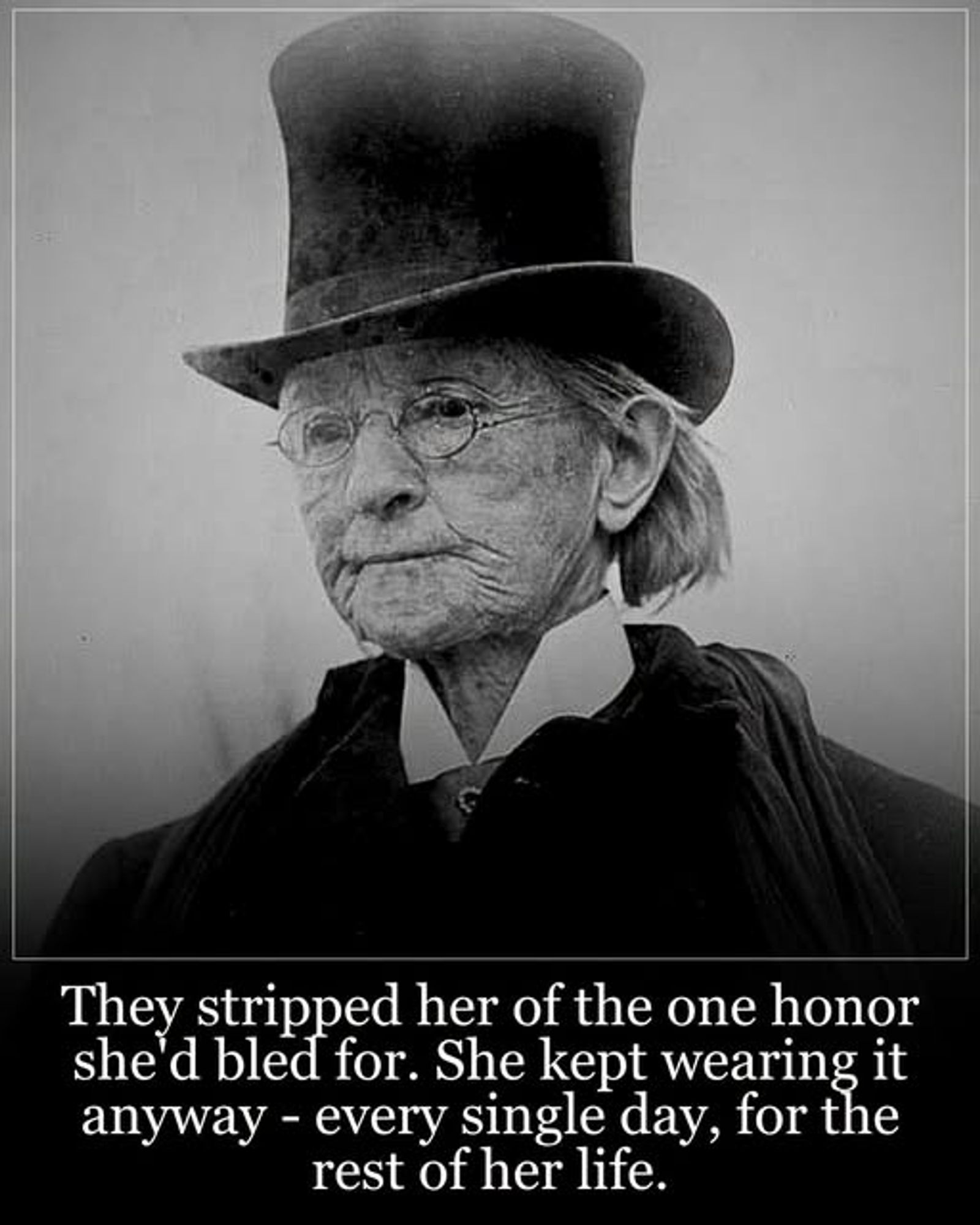
“In 1917, the U.S. government told an 84-year-old woman to hand back the medal she’d earned in a war that had ended over fifty years earlier. She refused. She pinned it to her chest and wore it until the day she died. It would take nearly six decades — and a formal government reversal — before the world admitted she’d been right all along. Her name was Dr. Mary Edwards Walker, and she is still, to this day, the only woman in American history to receive the Medal of Honor. She was born in 1832 on a farm in upstate New York, to parents who believed something almost unthinkable for their era: that their daughters deserved exactly the same opportunities as their son. Her father taught her carpentry, mechanics, and rudimentary medicine. Her mother taught her that the corsets women were expected to wear weren’t fashion — they were designed to keep women physically weak. By 15, Mary had abandoned them entirely, choosing looser “”reform dress”” — shorter skirts worn over trousers — and endured constant public mockery for it. She didn’t stop. At 21, she enrolled in Syracuse Medical College, one of the only schools in the country willing to admit a woman. Classmates harassed her. Professors doubted whether a woman’s mind could handle medicine at all. She graduated anyway in 1855, one of the first women in the United States to earn a medical degree. But a diploma didn’t guarantee a career. Patients wouldn’t sit in her office. Her private practice collapsed. Her marriage collapsed too, and in an era when divorce was scandalous for a woman, she went through with it and kept her own name. Then the Civil War began, and Mary saw an opening nobody else did. She volunteered to serve as an Army surgeon. The answer was no — women could nurse, clean wounds, hold a soldier’s hand while he died. They could not operate. They could not lead. So she went to the front anyway, unpaid, unofficial, treating hundreds of wounded men after the battle of Bull Run with nothing but her own training and her own nerve. Word of her skill spread faster than anyone’s objections could keep up. By 1863, the Army had no real choice — they brought her on as a contract surgeon, the first woman in United States Army history to hold the role. She wore her own uniform: trousers, a modified officer’s jacket. Soldiers complained. She didn’t blink. “”I don’t wear men’s clothes,”” she told them. “”I wear my own.”” For two years she worked in the middle of active combat — surgeries performed under fire, amput