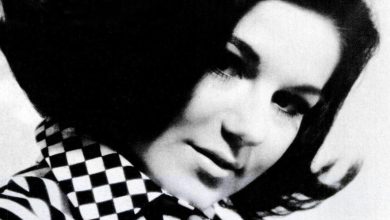
“My Girl”: The Smokey Robinson Song That Turned David Ruffin Into a Star
A love song built for a breakthrough
Some songs arrive as finished legends, but “My Girl” began as a strategic act of faith. Smokey Robinson wrote it to spotlight David Ruffin, whose gritty, emotionally charged voice had begun to stand out within The Temptations’ polished group blend. At Motown, where songs, singers and studio players were matched with extraordinary care, that kind of decision could change a career.
It did. Recorded by The Temptations in 1964, “My Girl” gave Ruffin the lead on a song that balanced tenderness with swagger. It was romantic without sounding fragile, confident without losing warmth. In a group already rich with talent, the record established a new center of gravity: this was the moment Ruffin’s voice became inseparable from the band’s identity.
“My Girl” became The Temptations’ first No. 1 pop single and one of Motown’s most enduring recordings.
The sound of Motown precision
Part of what makes “My Girl” feel so effortless is how carefully it is built. The recording rests on the unmistakable discipline of Motown’s hit-making system, where every musical detail served the song. The Funk Brothers, the label’s in-house studio band, supplied the instrumental foundation, giving the track its steady pulse, graceful movement and instantly recognizable sense of uplift.
Nothing feels wasted in the arrangement. The groove is light on its feet, the instrumental lines leave room for the vocal to glow, and the whole record moves with the calm assurance of musicians who know exactly how much to say. That economy is part of the magic: “My Girl” sounds simple, but it carries the kind of precision that only expert players and producers can make sound natural.
David Ruffin steps forward
Ruffin’s lead vocal is the emotional engine of the record. He does not oversing the lyric; instead, he leans into its directness, making devotion sound both deeply personal and broadly universal. His voice has grain in it, a lived-in edge that gives the sweetness weight. That contrast helped “My Girl” stand apart from more fragile ballads of its era.
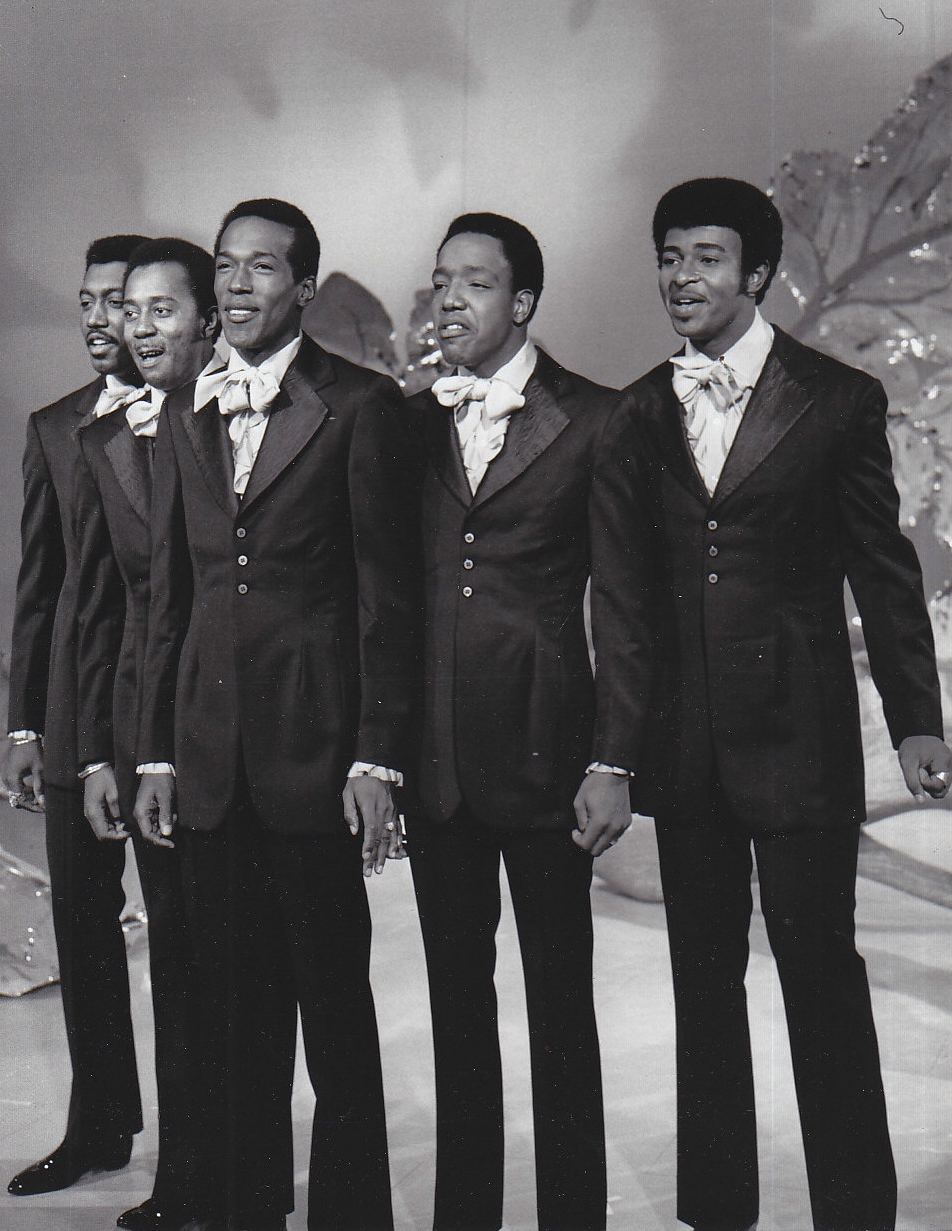
Just as important is what surrounds him. Eddie Kendricks, Melvin Franklin, Paul Williams and Otis Williams turn the song into a full group statement, framing Ruffin without crowding him. Their harmonies act like architecture around the lead, reinforcing the idea that The Temptations were never simply a showcase for one singer, even when one voice was clearly having a star-making moment.
A signature performance for a classic lineup
When audiences picture The Temptations performing “My Girl,” they often imagine the classic lineup that carried the group into pop immortality: David Ruffin on lead, backed by Eddie Kendricks, Melvin Franklin, Paul Williams and Otis Williams. It is one of those combinations of song and personnel that feels permanently fixed in cultural memory.
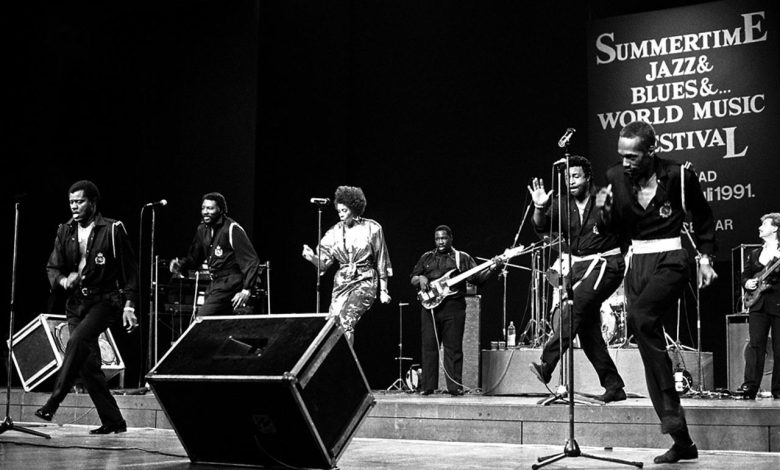
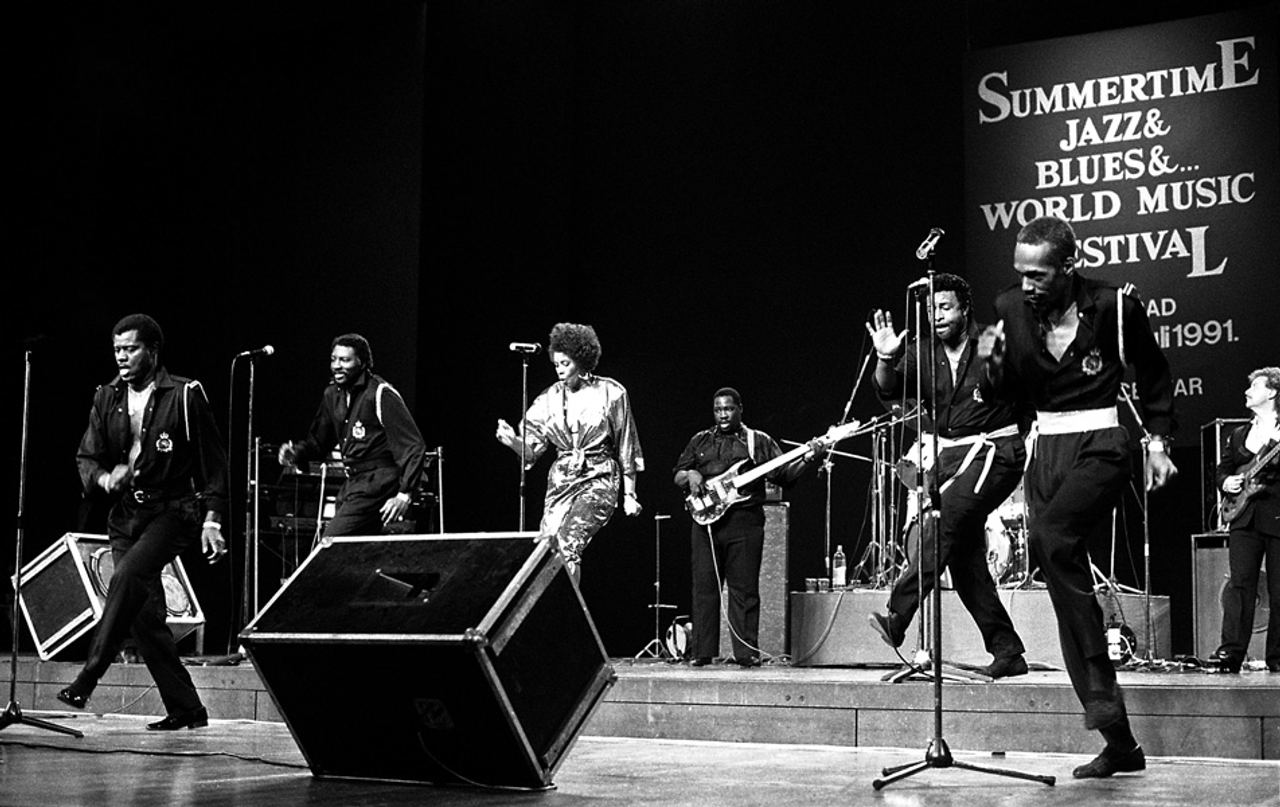
That lineup gave the song visual drama as well as vocal depth. The Temptations were masters of presentation, and “My Girl” fit their style perfectly: poised, elegant, emotionally direct. Onstage, the number could feel intimate and polished at once, with Ruffin’s lead presence balanced by the graceful precision of the group around him.
The first No. 1 and the making of an enduring standard
“My Girl” was more than a hit; it was a threshold. The song became The Temptations’ first No. 1 pop single, a breakthrough that confirmed their place at the front rank of Motown acts. For Ruffin, it was proof that his voice could carry a major crossover success. For the group, it marked the beginning of a new level of visibility and cultural reach.
Its endurance says as much as its chart success. Decades later, “My Girl” remains one of Motown’s most beloved recordings, the kind of song that can instantly evoke an era while never feeling locked inside it. Its appeal lies in its clarity: a great melody, a voice made for the moment, and a recording whose elegance never goes out of style.
Why the song still feels alive
The continuing appeal of “My Girl” comes from the way it joins craft and feeling without drawing attention to either one. Smokey Robinson’s writing is concise and generous, giving the singer room to charm, ache and reassure in the span of a few lines. The Temptations deliver it with a confidence that makes love sound not naive, but luminous.
That is why the song has survived changing tastes, formats and generations of listeners. It is a monument of pop craftsmanship, but it is also a human performance—warm, elegant and full of personality. In the story of Motown, “My Girl” is not just a famous title. It is the record where design, talent and timing met perfectly, and David Ruffin stepped into stardom.
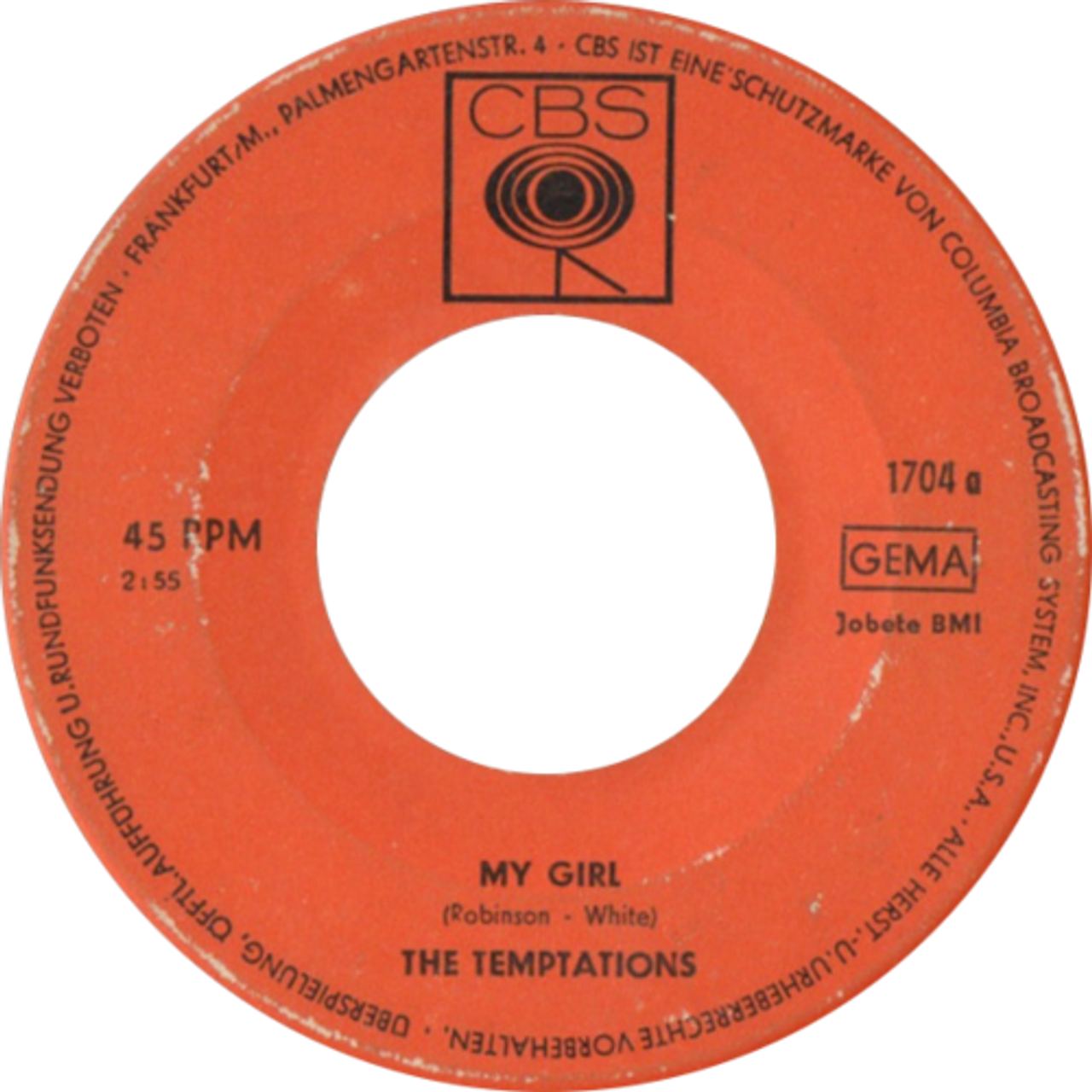
Quick Facts
- Song: “My Girl”
- Writer: Smokey Robinson
- Artist: The Temptations
- Lead singer on the recording: David Ruffin
- Recorded: 1964
- Notable achievement: The Temptations’ first No. 1 pop single
- Backing musicians: The Funk Brothers
Image credits: Zoran Veselinovic / Wikimedia Commons / CC BY-SA 2.0; Bernie Ilson, Inc. / Wikimedia Commons / Public domain; CBS Records (International) / Wikimedia Commons / Public domain.