Reviving a Lost Heritage: The Hawaiian Language’s Inspiring Journey Back
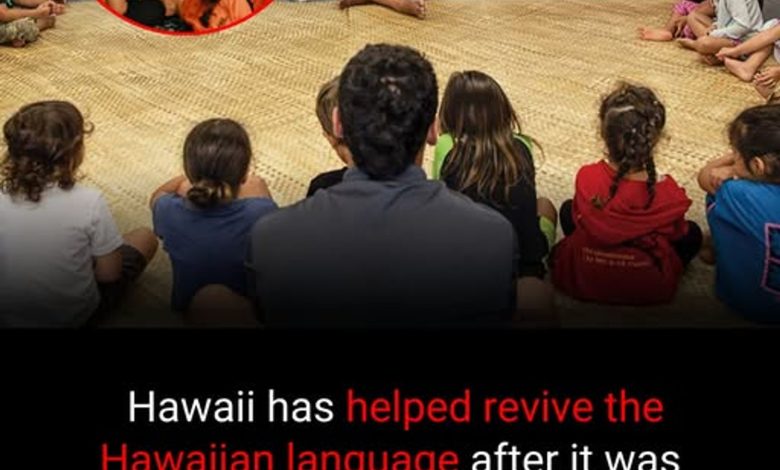
In the heart of the Pacific, the Hawaiian Islands hold not just breathtaking landscapes, but also a deep cultural legacy woven into the very fabric of its indigenous language, ʻŌlelo Hawaiʻi. For centuries, the Hawaiian language was not merely a means of communication; it was a vessel of history, spirituality, and identity for Native Hawaiians. However, the overthrow of the Hawaiian Kingdom in 1893 ushered in a dark chapter for the language as it was systematically pushed to the margins, banned from schools, and subjected to neglect.
As the decades passed, the gentle echoes of ʻŌlelo Hawaiʻi began to fade. By the 1970s, the future of the language hung by a thread, with many fearing that it could vanish forever, taking with it the rich traditions and cultural identities of the Hawaiian people. It was during this pivotal moment that a courageous group of language activists, led by passionate individuals like Larry Kimura, emerged as guardians of this precious heritage. They understood that to erase a language was to erase the people who spoke it; thus, they embarked on a mission to breathe life back into their native tongue.
In a remarkable turn of events, 1978 marked a watershed moment when Hawaii officially recognized ʻŌlelo Hawaiʻi as a state language. This legal affirmation was not just a nostalgic nod to the past; it ignited a movement. Language revitalization efforts gained momentum as advocates tirelessly pushed for educational reforms that would allow children to immerse themselves in their mother tongue. This culminated in 1987 with the establishment of the Hawaiian Language Immersion Program, Ka Papahana Kaiapuni Hawaiʻi. Here, classrooms transformed into sanctuaries of culture where subjects like math and history were taught in Hawaiian, fostering a robust environment where cultural pride could flourish.
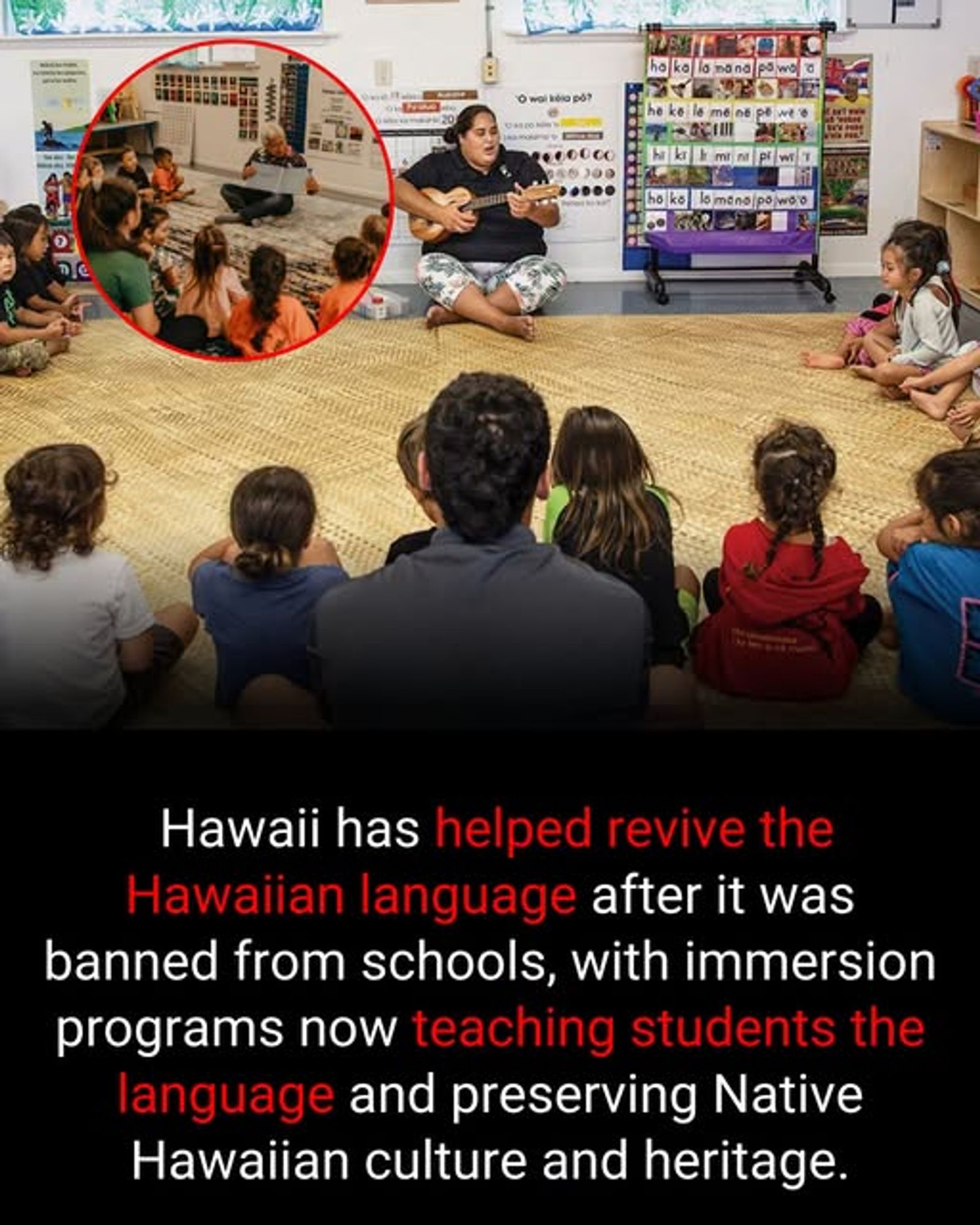
As parents watched their children blossom in these immersive settings, a renewed sense of hope blossomed within the community. The program expanded rapidly, with immersion schools sprouting from preschool to college levels, each one nurturing not just language skills but a profound connection to heritage. The laughter of children speaking Hawaiian during recess, the songs sung in classrooms, and the stories shared at home became a testament to the resilience of a culture that refused to succumb to silence.
Today, thousands of people across Hawaii can converse in ʻŌlelo Hawaiʻi, and more than 30 immersion school sites remain vibrant hubs of learning. The revival of Hawaiian is now celebrated as one of the most successful Indigenous language recoveries in North America. What was once teetering on the brink of extinction has transformed into a resounding symbol of cultural pride and resilience.
Through the relentless dedication of educators, families, and community leaders, Hawaii has illustrated a powerful truth: a language can thrive again when a community comes together, committed to protecting its history and identity. The journey of ʻŌlelo Hawaiʻi is not just about revitalizing a language; it’s a heartfelt reminder of the enduring spirit of a people who cherish their roots and refuse to let their voices be silenced.