The Masked Baker: Desire, Boundaries, and the Small-Town Mystery at the Center of a Viral Confession
A confession built for the internet
The premise is instantly sticky: a small-town bakery, a handsome but emotionally distant boss, and one unusual rule that turns everyday routine into obsession. In the story, the narrator spends three years working for Daniel, a 45-year-old bakery owner who never removes his black medical mask in front of staff. He keeps it on through the heat of service, through long shifts, through the kind of practical moments when most people would briefly drop their guard. That single detail transforms an ordinary workplace crush into a mystery.
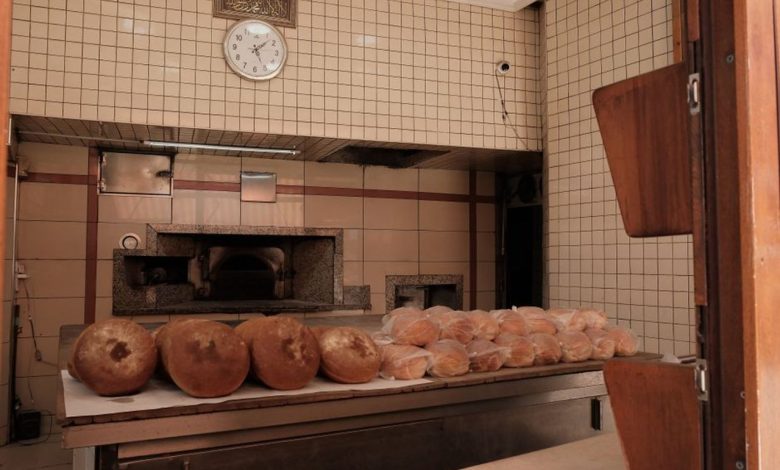
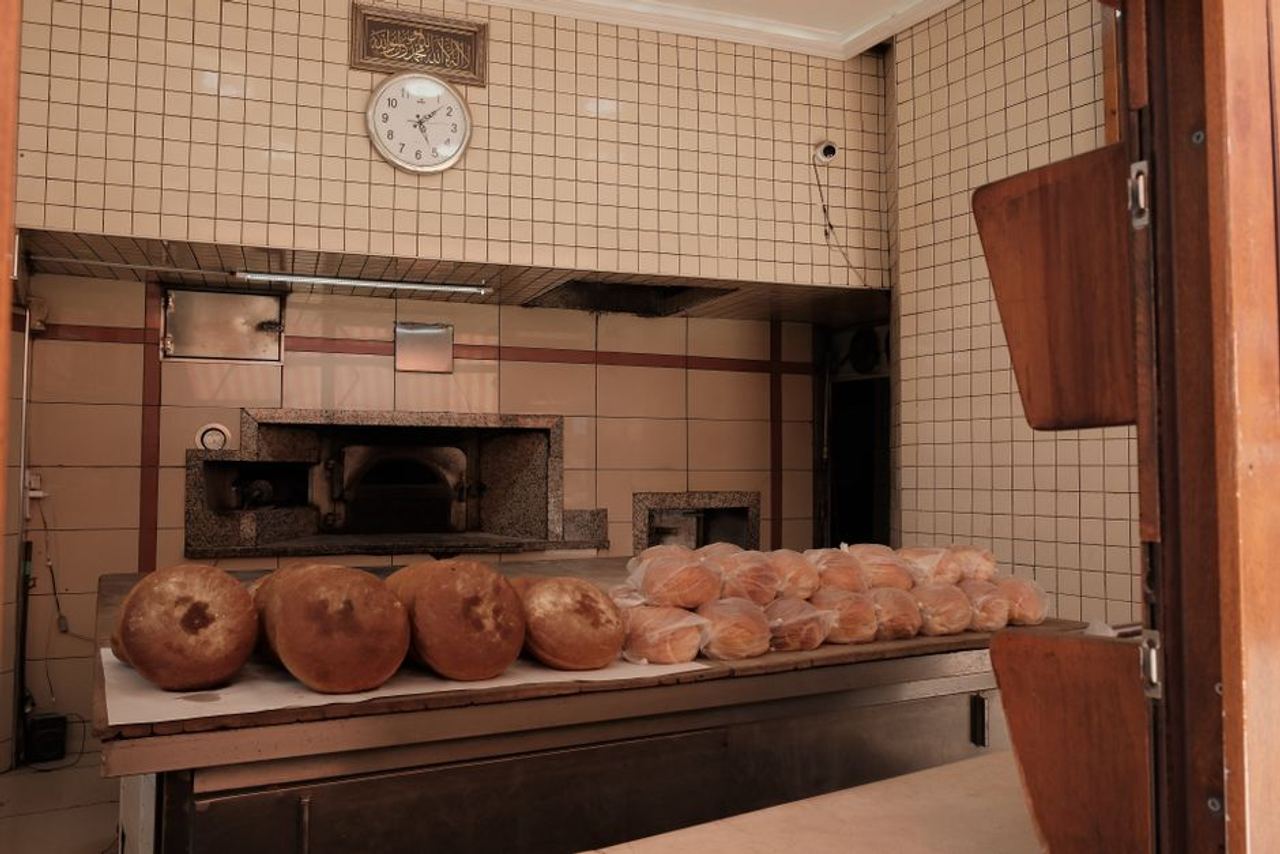
It is easy to see why the setup catches fire online. The bakery itself is intimate and cinematic, full of sensory cues that make the emotional fixation feel plausible: fresh bread, hot ovens, coffee, the ritual of early-morning labor. Against that cozy backdrop, the mask becomes more than a piece of fabric. It becomes a barrier, a symbol, and eventually an invitation for projection. The narrator cannot fully see him, so she fills in the rest.
The title’s final turn, in which she pulls the mask down while he is sleeping and immediately regrets it, functions as the hook’s emotional detonator. It promises revelation, but just as importantly, it promises guilt. That tension between wanting to know and knowing one should not is what gives the story its charge.
Why the hidden face matters so much
A concealed face has a peculiar power in storytelling. It withholds information people are trained to read instinctively: mood, trustworthiness, age, vulnerability. In romantic and psychological fiction alike, partial concealment often intensifies attraction because it invites imagination to do the rest. In this story, Daniel’s eyes are described in flattering detail, with their crinkles and kindness doing nearly all the work of intimacy. Everything else is absent, and therefore magnified.
That dynamic is familiar far beyond this bakery anecdote. Popular culture has long understood that what remains unseen can become more alluring than what is plainly available. A person who reveals little can appear deeper, sadder, stronger, or more beautiful than they really are, not necessarily because they are any of those things, but because mystery encourages idealization.
The bakery setting sharpens that effect. Workplaces create repetition, and repetition breeds attachment. Seeing the same person every day, sharing pressure and routine, learning their habits and moods, all of it can make a crush feel fated rather than circumstantial. Add a permanent visual barrier, and the attraction begins to orbit not just a person but an unanswered question.
The mask is not just a prop in the story. It is the engine of desire, curiosity, and eventual transgression.
A workplace crush turns into a boundary test
What begins as a fairly recognizable workplace infatuation gradually shifts into something more troubling. The narrator insists she did not pry at first. She notes the room behind the kitchen where Daniel likely ate and drank in private, and she frames her earlier restraint as proof that she respected his space. But the architecture of the confession suggests otherwise: the obsession has been building for years, and the hidden face has become the central object of fixation.
That matters because the story’s emotional pivot is not simply the reveal of what lies beneath the mask. It is the decision to look without consent. The rainy-afternoon setup, with Daniel asleep and vulnerable, is designed to remove any ambiguity. This is not an accidental glimpse. It is a deliberate crossing of a line.
Part of what makes the scenario unsettling is how ordinary its emotional logic feels before the violation occurs. Curiosity is human. Attraction is human. Wondering what someone is hiding is human. The story works because it understands how easily those impulses can be narrated as harmless right up until the moment they are not.
Small-town intimacy and the fantasy of hidden pain
The small-town element is more than decorative. In stories like this, local familiarity tends to create the illusion that everyone should be knowable. A bakery owner is not a distant celebrity or a passing stranger. He is part of the rhythm of the place. Customers see him. Employees depend on him. In that kind of setting, a persistent secret can feel almost provocative, as though privacy itself has become a public act.
There is also a well-worn narrative pattern beneath the confession: the attractive older man whose reserve suggests damage, grief, trauma, or disfigurement. The storyteller does not initially say what she finds under the mask, but the title’s regret cues readers to expect something serious and life-altering. That expectation is not accidental. It taps into a familiar melodramatic fantasy that a beautiful exterior, or even beautiful eyes, can coexist with profound hidden suffering.
Whether readers approach the story as fiction, embellished anecdote, or emotional thought experiment, the appeal lies in that collision between romance and horror. The crush promises tenderness. The reveal promises punishment. The result is a story calibrated to make readers confront how often attraction feeds on imagined access to another person’s private wounds.
The ethics of looking
The strongest reaction many readers are likely to have is not about whatever Daniel’s face looks like, but about the act itself. Pulling down someone’s mask while they sleep is an invasion, regardless of motive. The story invites sympathy for the narrator’s longing, then abruptly asks the audience to sit with the consequences of entitlement: the belief that desire, emotional investment, or prolonged proximity can justify access to someone else’s body or personal history.
That ethical dimension is what elevates the confession beyond simple shock value. It asks a question that applies far outside the bakery: when does curiosity become trespass? In everyday life, people conceal all kinds of things for reasons that are not owed to coworkers, admirers, or even friends. Medical conditions, scars, anxiety, religious practices, grief, and identity are not mysteries waiting to be solved by whoever feels close enough to ask, or bold enough to bypass asking entirely.
In that sense, the story’s title contains its own judgment. The regret comes too late, but it still matters. It suggests that some revelations do not liberate desire; they expose the selfishness beneath it. What the narrator wishes she had not done is not merely seeing. It is taking.
Why stories like this spread
This kind of confession thrives because it combines several durable internet fascinations at once: forbidden workplace attraction, a seemingly perfect older authority figure, a visual mystery, and a final twist framed as irreversible. It is structured like serialized drama but delivered in the intimate voice of a secret shared. Readers are meant to lean in, picture the bakery, imagine the man, and then feel the floor drop away.
It also leaves strategic blanks. We are told enough about Daniel to understand the crush but not enough to fully know him. We are told enough about the narrator to understand her fixation but not enough to excuse her. Most importantly, the story delays the exact reveal, allowing suspense and speculation to do much of the circulation work. In digital storytelling, omission is often what generates engagement.
Ultimately, the power of the piece lies less in whether the hidden face is beautiful, scarred, ordinary, or shocking than in the emotional machinery around it. Desire turns someone into an idea. Mystery turns that idea into obsession. And obsession, once it starts convincing itself it deserves an answer, rarely ends well.
Quick Facts
- Setting: A tiny small-town bakery
- Central figure: Daniel, the narrator’s boss
- Key mystery: He never removes his black medical mask in front of staff
- Time span: Three years of working together
- Narrative turning point: The narrator pulls down his mask while he is sleeping
- Core themes: Desire, secrecy, projection, and violated boundaries
Image credits: zeynep / Pexels.